T: +86-13302905061
E: sales@dongli2006.com
E: sales@dongli2006.com
Building 101, No.5 Rixing Street, Pingdong Community, Pingdi Street, Longgang District, Shenzhen, Guangdong, China.
Views: 0 Author: Site Editor Publish Time: 2025-10-17 Origin: Site


When it comes to tightening screws, your tool choice matters. An Electric Screwdrivers offers speed and power, while manual tools give control and precision. In this guide, you’ll learn when each option excels and how to choose the right one for your projects.
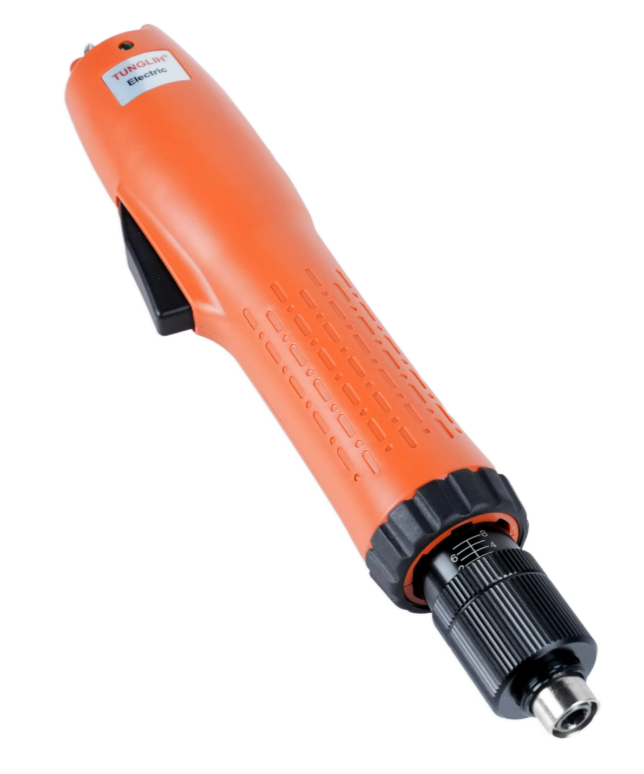
An electric screwdriver is a motorized tool designed to drive screws quickly and efficiently. Powered by electricity—either through a cord or a rechargeable battery—it automates the turning motion, reducing the effort required by the user. Modern models often include adjustable torque settings, LED lights, and cordless operation, making them ideal for repetitive or high-volume assembly tasks.
These tools are widely used in industries like furniture manufacturing, home renovation, and appliance repair, where consistency and speed are crucial.
A manual screwdriver, on the other hand, relies entirely on human effort. It’s a classic hand tool with a handle and shaft ending in a tip that matches specific screw types (Phillips, flathead, Torx, etc.). Its simplicity makes it durable, reliable, and portable. Manual screwdrivers are especially useful for delicate applications—like electronics repair or jewelry assembly—where excessive torque could damage sensitive components.
Electric screwdrivers excel in speed and torque output, while manual ones shine in precision and control. The main distinctions lie in:
● Power source: manual (human force) vs. electric (motor-driven)
● Torque control: automatic vs. tactile
● Speed: high vs. variable
● Maintenance: regular charging vs. none
● Cost: higher upfront for electric models
One of the biggest advantages of an electric screwdriver is its efficiency. It can fasten dozens of screws in the time it would take to manually tighten just a few. This makes it invaluable for assembly-line work, furniture construction, or DIY projects that involve repetitive screwing.
For example, assembling modular furniture or installing drywall becomes significantly faster with a cordless screwdriver that delivers consistent torque without user fatigue.
Electric screwdrivers drastically reduce the physical effort needed to drive screws, minimizing wrist and hand strain. For professionals who use screwdrivers daily, this translates into better productivity and fewer repetitive strain injuries. It’s also an excellent option for users with limited hand strength or mobility.
Modern torque control screwdrivers allow users to adjust torque output precisely, preventing damage from overtightening or stripping screws. This feature ensures safer work, especially on sensitive surfaces like wood veneers, electronics, or plastic casings. Some advanced models even include digital torque calibration and auto-stop functions.
With the rise of cordless screwdrivers, portability has improved dramatically. Battery-powered models eliminate cable clutter and can be used anywhere, making them ideal for on-site repairs or outdoor installations. Many come with interchangeable bits, enabling compatibility with various screw types and sizes.
While cordless tools offer mobility, battery dependence can interrupt work. Frequent recharging may slow down progress, especially during extended use. Keeping a spare battery or choosing a fast-charging model helps minimize downtime.
Power tools can easily overdrive screws if torque isn’t properly adjusted. This may damage threads, deform materials, or strip screw heads. Using the correct torque setting and starting with a low-speed mode can prevent such issues.
Electric screwdrivers are generally more expensive than manual ones. They also require occasional maintenance—battery replacements, lubrication, or motor care. However, for frequent users, the time savings often justify the investment.
Manual screwdrivers provide a natural feel that no powered tool can fully replicate. You can sense the screw’s resistance and adjust your pressure accordingly. This level of tactile feedback is vital for precision work, such as assembling electronics, repairing watches, or mounting delicate components.
Since manual screwdrivers have no motors or batteries, they are nearly fail-proof. A high-quality hand screwdriver can last decades with minimal care. They are also ideal in environments where electric tools are impractical, such as confined spaces or locations without power access.
A manual screwdriver costs a fraction of an electric one and requires no charging or setup. It’s instantly usable, making it perfect for quick household fixes or situations where portability is key. You can carry a compact set anywhere, from toolboxes to travel repair kits.
The biggest drawback of manual screwdrivers is speed. Driving multiple screws manually can be slow and exhausting, especially in large-scale projects. Over time, repetitive motions can cause hand fatigue and reduce productivity.
Manual tools rely entirely on your physical strength. This limits their ability to handle stubborn or rusted screws that require higher torque. Using a manual tool for such tasks can lead to stripped screw heads or even injury.
Extended use can lead to wrist strain and discomfort. While ergonomic grips help, manual screwdrivers still demand more physical effort compared to their electric counterparts. For professionals working long hours, this can affect efficiency and accuracy.
Feature | Electric Screwdriver | Manual Screwdriver |
Speed | Very fast; ideal for repetitive tasks | Slower, manual effort required |
Torque Control | Adjustable, consistent | Depends on user skill |
Precision | Moderate (depends on setting) | High tactile accuracy |
Effort | Minimal physical strain | Requires manual force |
Maintenance | Battery/motor care | Minimal |
Best For | Assembly lines, furniture, DIY | Electronics, fine detail, repairs |
● Electric Screwdriver: Best for high-volume or heavy-duty applications—furniture assembly, wall installation, or mechanical work.
● Manual Screwdriver: Ideal for fine adjustments—electronics, eyeglass repairs, or delicate tightening.
If you use screwdrivers daily or handle large projects, investing in an electric screwdriver saves time and effort. However, for occasional users or those working with precision components, a manual screwdriver remains the smarter and more economical option.
Electric screwdrivers have higher upfront costs but deliver long-term efficiency for frequent users. Manual screwdrivers, on the other hand, require minimal investment and last for years with little to no maintenance.
Ergonomic design plays a huge role in both tools. Electric models often feature cushioned handles and balanced weight, while manual screwdrivers rely on grip shape and size to reduce fatigue. Choosing one that fits your hand comfortably improves overall performance.
Before deciding which tool to use, analyze the specific nature of your projects. Consider key factors such as the task scale, material hardness, screw size, and desired speed. Large assembly tasks, like furniture or machinery installation, require high torque and faster operation, which an electric screwdriver provides effortlessly. However, smaller or delicate jobs involving electronics, precision instruments, or detailed fittings demand a manual screwdriver for its fine control and gentle touch.
Many professionals and DIY enthusiasts prefer to own both types of screwdrivers because they complement each other perfectly. The electric screwdriver can handle bulk fastening tasks quickly, saving valuable time and effort. Once screws are nearly in place, switching to a manual screwdriver allows for precise final adjustments, ensuring optimal tightness without damaging materials. This hybrid working approach combines speed, accuracy, and tactile control for the best possible results in any project.
Proper tool care and safe usage significantly extend your screwdriver’s lifespan and performance. Always select the correct bit size and type to match the screw head, reducing the risk of slipping or stripping. For electric screwdrivers, maintain the battery by avoiding overcharging, extreme temperatures, and moisture exposure. Manual screwdrivers require only simple upkeep—keep them clean, dry, and rust-free. Regular inspection for wear and tear ensures consistent reliability and user safety over time.
Modern electric screwdrivers are evolving rapidly with integrated smart technologies. Models now feature digital torque control, real-time speed monitoring, and Bluetooth connectivity that links to mobile apps for performance tracking. These advancements enable users to achieve more consistent torque application and precise results, even in professional assembly environments. The trend toward connected tools reflects the growing demand for smarter, data-driven precision in both industrial and home applications.
Sustainability is now a key focus in power tool design. Next-generation lithium-ion batteries are engineered to last longer, charge faster, and deliver improved energy efficiency. Manufacturers are also exploring recyclable materials and low-impact production processes to reduce environmental waste. These innovations not only enhance cordless screwdriver performance but also contribute to a greener and more sustainable tool ecosystem, helping users reduce their carbon footprint without compromising power or reliability.
The latest screwdriver designs are embracing hybrid and adaptive functionality, merging the strengths of both manual and electric tools. These models allow users to seamlessly switch between powered and manual modes, giving full flexibility depending on task requirements. For instance, you can engage motorized torque for quick driving, then instantly switch to manual precision for final adjustments. This dual-mode capability represents the future of screwdriver technology—combining convenience, precision, and adaptability in one versatile device.
Choosing between electric and manual screwdrivers depends on your needs. Electric screwdrivers offer speed, efficiency, and consistent torque, while manual tools provide precise control and tactile feedback. Dongli Industrial Equipment (Shenzhen) Co., Ltd. offers high-quality products that combine reliability and innovation, helping users achieve better results and smoother workflows. Their tools ensure every task is completed efficiently and accurately.
A: An electric screwdriver is a motor-powered tool designed to drive screws quickly and efficiently. It offers benefits of electric screwdrivers over manual ones, such as speed and reduced physical effort.
A: Electric screwdriver vs manual screwdriver comparison shows that electric tools save time on repetitive tasks, while manual screwdrivers provide superior control for delicate work.
A: Manual screwdriver advantages in precision tasks make them ideal for electronics, jewelry, or any delicate projects where tactile feedback and accuracy matter most.
A: Electric screwdrivers offer speed, consistent torque, and adjustable torque control, allowing users to prevent over-tightening compared to manual tools.
A: While electric screwdrivers excel in high-volume or tough material tasks, small or delicate jobs may benefit from manual screwdrivers for better control.
A: Proper care includes charging batteries correctly, cleaning the tool, and checking bits. This ensures long-term performance and preserves electric screwdriver torque control vs manual tools.
A: Yes, combining electric and manual screwdrivers allows you to leverage the speed of electric models and the precision of manual tools, optimizing efficiency and accuracy.