T: +86-13302905061
E: sales@dongli2006.com
E: sales@dongli2006.com
Building 101, No.5 Rixing Street, Pingdong Community, Pingdi Street, Longgang District, Shenzhen, Guangdong, China.
Views: 0 Author: Site Editor Publish Time: 2025-10-24 Origin: Site


Electric screwdrivers transform DIY and professional work. They combine speed, precision, and ease. Using them safely boosts both efficiency and accuracy. In this guide, you will learn practical tips, step-by-step techniques, and expert advice to use an Electric Screwdrivers effectively while minimizing risks.
An electric screwdriver consists of several essential parts: the motor, gearbox, bit holder, and bit itself. The motor converts electrical energy into mechanical motion, allowing the bit to rotate efficiently. The gearbox controls torque and speed, preventing over-tightening. Selecting the correct bit ensures that screws are driven smoothly and securely. Understanding these components is critical to maintaining safety and achieving professional-quality results.
Torque and speed are fundamental to controlling the screwdriver. Low torque is ideal for delicate materials, while higher torque handles dense woods or metal surfaces. Speed control helps prevent stripping screws or damaging the material. By matching torque and speed to the task, you improve efficiency and reduce errors. Using these settings properly is a core part of electric screwdriver operation guide.
Task Type | Recommended Torque | Speed Setting | Notes |
Softwood screws | Low | Medium | Avoid overdriving |
Hardwood screws | Medium | Medium-High | Pre-drill for smooth insertion |
Metal screws | High | High | Ensure correct bit type |
Delicate surfaces | Very Low | Low | Monitor pressure carefully |
Corded and cordless models offer different advantages. Cordless tools provide mobility but require battery management, while corded versions deliver continuous power. For cordless screwdrivers, ensure batteries are fully charged before starting. Replace aging batteries to maintain consistent performance. Proper power management directly affects the efficiency of your work and prevents interruptions.
The bit type and size must match the screw head for secure fastening. Phillips, flathead, and Torx bits each serve specific purposes. Using the wrong bit increases the risk of stripping screws and slows down your workflow. Organizing bits for quick access helps maintain momentum and reduces downtime. This practice supports how to use electric screwdriver efficiently in multi-screw projects.
Safety always begins with proper PPE when using an electric screwdriver. Protective eyewear shields your eyes from flying debris, while gloves improve grip and hand stability without restricting movement. For prolonged tasks or noisy environments, hearing protection is crucial to prevent long-term damage. Loose clothing, jewelry, or long hair can become entangled in moving parts, creating serious hazards. Following these electric screwdriver safety tips consistently ensures both personal safety and efficient work flow. Additionally, proper PPE fosters confidence, allowing users to focus entirely on precision and control.
A well-prepared workspace is essential for safe and efficient operation. Ensure your area is well-lit, clutter-free, and free of obstacles that could cause trips or distractions. Secure workpieces using clamps, vices, or other stabilizing tools to prevent slippage during operation. Organizing your tools, bits, and screws within reach minimizes interruptions and helps maintain workflow consistency. A systematic setup reduces errors, protects materials from accidental damage, and allows you to concentrate fully on the task. Double-checking your environment before beginning ensures that safety and efficiency are maximized from the start.
Correct handling is critical for preventing accidents and improving precision. Grip the screwdriver firmly while keeping the bit aligned perfectly with the screw head. Apply steady, even pressure and allow the tool to do the work, avoiding excessive force or tilting. Incorrect angles or uneven pressure can strip screws, damage surfaces, or even cause slips leading to injury. Repeating these handling techniques on various materials builds muscle memory, improving both speed and accuracy over time. Incorporating controlled movements consistently makes electric screwdriver operation guide more intuitive and reliable for daily use.
Before every task, carefully check torque, speed, and rotation direction. Incorrect settings can strip screws, damage materials, or create unsafe conditions. Always power off the screwdriver before adjusting any settings to prevent accidental activation. Establishing a routine to inspect and configure these parameters is a key part of electric screwdriver safety precautions. Regularly confirming proper setup reduces mistakes, improves efficiency, and ensures consistent performance across different materials and projects. Consider creating a project checklist to standardize this safety procedure for every use.
Begin each task by carefully aligning the bit with the screw head and starting at a low speed. Gradually increase speed as the screw engages, which prevents slippage and reduces material damage. Slow, controlled starts ensure precise insertion, especially for delicate or expensive materials. Mastering this approach is a foundational step in following a reliable electric screwdriver operation guide. Consistent control from the beginning also reduces fatigue and enhances workflow efficiency across multiple screws and tasks. Developing this habit improves overall task consistency and accuracy.
Different materials require specific approaches. Hardwoods, metals, or dense composites often benefit from pre-drilled pilot holes to reduce resistance and prevent splitting. Softer or delicate materials need lower torque settings to avoid damage. Adjusting torque, speed, and pressure according to material type ensures that screws are driven efficiently and safely. Awareness of material characteristics allows for proactive adjustments, preventing common errors such as over-tightening or stripping. Understanding material behavior is crucial for both how to use electric screwdriver efficiently and maintaining long-term tool performance.
Common errors like stripped screws, over-tightening, or under-tightening can undermine efficiency and damage materials. Stripped screws often result from excessive torque or misaligned bits, while over-tightening can deform threads and under-tightening leaves fasteners insecure. Recognizing early signs of these issues and adjusting technique prevents costly rework. Establishing a methodical approach, including torque checks and bit alignment verification, helps maintain consistent results. By minimizing mistakes, both speed and precision improve, enhancing project quality and user confidence.
When performing multi-screw projects, maintain rhythm and consistent pressure. Organize screws and bits for rapid access to reduce downtime. Ergonomic positioning, such as alternating hand placement or adjusting posture, minimizes fatigue during repetitive tasks. Structured workflows enhance efficiency and accuracy, ensuring that even prolonged operations remain controlled. Breaking long sessions into timed intervals allows recovery while sustaining focus and precision. Practicing these strategies supports both safety and long-term productivity during high-volume projects.
Regular cleaning prevents dust, debris, and material buildup from impairing performance. Wipe down the tool after each use and lubricate moving parts according to manufacturer recommendations. This routine prolongs motor and gearbox lifespan while maintaining smooth operation. Neglecting cleaning can lead to wear, reduced efficiency, or malfunctions. Incorporating a systematic maintenance schedule ensures tools remain reliable, safe, and capable of high-quality performance during every task.
Proper battery management is essential for cordless electric screwdrivers. Follow recommended charging cycles and avoid overcharging to preserve battery health. Store batteries in a cool, dry place away from direct sunlight or metal objects. Monitoring battery condition and replacing aging cells ensures consistent power delivery and prevents interruptions. Effective battery care improves workflow continuity, reduces downtime, and extends the lifespan of both batteries and the tool itself.
Regularly inspect bits, motors, and housings for signs of wear or damage. Address minor issues early to prevent failures that could disrupt workflow or compromise safety. Troubleshoot performance drops promptly, including checking torque, speed, and battery output. Early detection of potential problems ensures efficient operations and prevents costly repairs. A proactive inspection routine reinforces electric screwdriver safety precautions while supporting long-term productivity.
Store tools and accessories in dry, secure locations to prevent accidental damage or loss. Keep bits organized in labeled compartments to allow rapid identification. Safe storage reduces the risk of contamination, misplacement, or physical impact. Organizing the workspace and tool storage also improves workflow efficiency and ensures readiness for future projects. Proper storage habits contribute to both tool longevity and consistent operational performance.
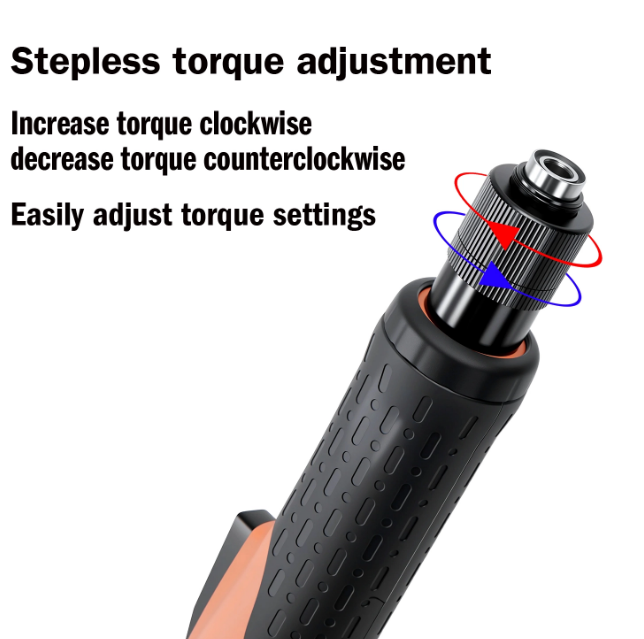
Use quick-change systems to switch between bits efficiently for different screw types. Keep bits organized for immediate access, which reduces project downtime. Multi-bit strategies allow users to maintain a smooth workflow and adapt quickly to changing materials or screw types. This approach directly contributes to how to use electric screwdriver efficiently in complex or multi-step tasks. Consistent bit management enhances both speed and accuracy.
Maintain natural wrist and forearm alignment to prevent strain during prolonged use. Adjust body posture to ensure comfort and stability. Ergonomics not only reduces fatigue but also improves control and precision, particularly during repetitive operations. Combining ergonomic practices with proper grip and handling techniques ensures safer, more efficient work sessions.
Match speed and torque to the type of screw and material being used. Utilizing torque clutches prevents overdriving, stripping, or material damage. Optimized settings increase productivity while minimizing errors and rework. Continuous adjustments based on task requirements enhance both safety and operational efficiency, making electric screwdriver operation guide more practical for professionals and DIYers alike.
Practice on scrap materials before starting major projects. Developing muscle memory for bit alignment, torque application, and speed control improves precision. Frequent practice enhances confidence, minimizes mistakes, and increases overall efficiency. Skill development ensures that users can complete projects safely and consistently, even under complex or high-volume conditions.
Stripped screws usually result from misaligned bits or excessive torque. Proper alignment, pre-drilling for hard materials, and controlled torque settings prevent this issue. Correcting stripped screws quickly avoids material damage and workflow disruption. Awareness of common stripping scenarios allows users to adapt techniques proactively, maintaining efficiency and safety.
Misaligned screws can compromise structural integrity and damage materials. Adjust the angle gradually while maintaining steady pressure. Correcting misalignment promptly reduces material waste and maintains project quality. Awareness of alignment challenges during repetitive tasks ensures better consistency and reduces risk of mistakes.
Battery or power drops disrupt workflow and reduce efficiency. Check connections and charge levels regularly. Replace batteries if performance diminishes. Consistent power ensures smooth operation, prevents stalling, and maintains both safety and project timelines.
Worn or incorrectly fitted bits reduce precision and increase injury risk. Replace bits showing signs of wear and ensure they fit securely. Sharp, well-maintained bits enhance safety and efficiency during high-volume or precision tasks. Regular monitoring and replacement help maintain performance standards.
Using an electric screwdriver safely improves efficiency and accuracy. Understanding components and following safety practices is key. Dongli Industrial Equipment (Shenzhen) Co., Ltd. provides reliable tools that enhance productivity. Their products, like the standard type electric screwdriver, offer precision, durability, and ergonomic design. Regular maintenance and proper handling ensure long-term performance and safer DIY or professional tasks.
A: An electric screwdriver is a powered tool designed to drive screws quickly and accurately. It reduces manual effort and increases efficiency compared to traditional screwdrivers.
A: To use an electric screwdriver efficiently, align the bit with the screw, adjust torque and speed, and maintain steady pressure. Following an electric screwdriver operation guide ensures fast and safe results.
A: Wear PPE like gloves and safety glasses, secure your workspace, and check tool settings. These electric screwdriver safety precautions prevent injuries and improve control during use.
A: Choosing the correct bit prevents stripped screws and enhances efficiency. Using the right bit type and size aligns with electric screwdriver safety tips and ensures smooth operation.
A: Clean and lubricate moving parts regularly, check batteries, and inspect bits for wear. Routine care extends tool life and supports safe, efficient use.
A: Yes, but adjust torque and speed for different materials. Hardwoods may need pilot holes, while delicate surfaces require lower torque, following how to use electric screwdriver efficiently practices.
A: Avoid over-tightening, misalignment, and forcing screws. Following an electric screwdriver operation guide minimizes errors and ensures both safety and accuracy.
A: It speeds up screwing tasks, reduces wrist strain, and allows consistent results. Implementing electric screwdriver safety tips ensures work remains safe and efficient.
A: Align the bit properly, adjust torque, and pre-drill if needed. These electric screwdriver safety precautions help prevent material damage and maintain efficiency.
A: Cordless models offer mobility, while corded ones provide consistent power. Both require following electric screwdriver safety tips and operation guides for safe and efficient performance.