T: +86-13302905061
E: sales@dongli2006.com
E: sales@dongli2006.com
Building 101, No.5 Rixing Street, Pingdong Community, Pingdi Street, Longgang District, Shenzhen, Guangdong, China.
Views: 0 Author: Site Editor Publish Time: 2026-06-05 Origin: Site


Choosing the right pneumatic screwdriver can boost productivity and reduce fatigue. But should you pick inline or pistol grip? Inline vs Pistol Grip Pneumatic Screwdrivers differ in design and use. In this post, you’ll learn their key differences, ergonomic impacts, and which fits your tasks best.
Table of Contents
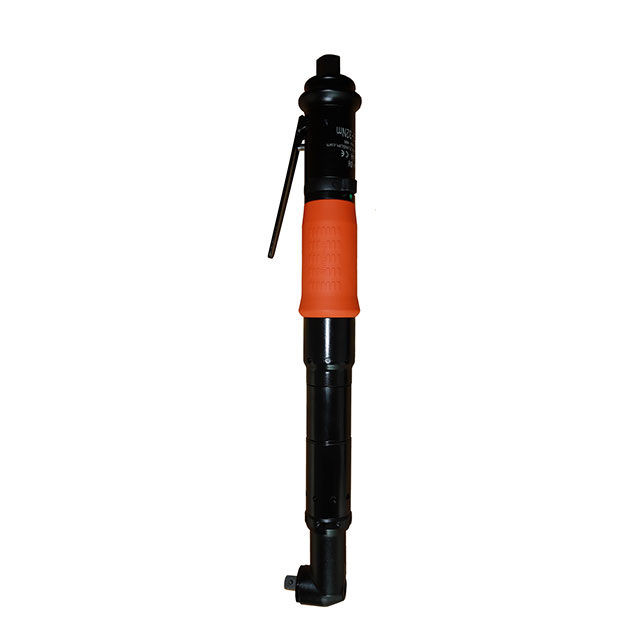
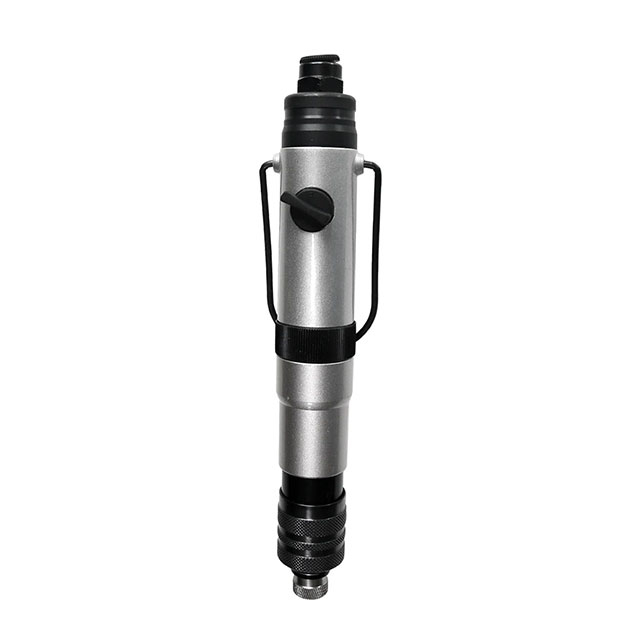
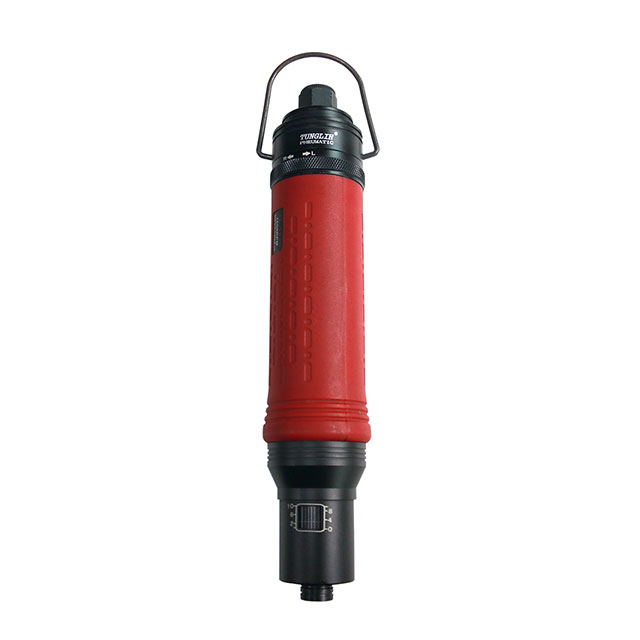
Inline pneumatic screwdrivers feature a straight, slender design where the grip aligns with the tool’s axis. This shape mimics traditional hand screwdrivers, making it intuitive for many users. Inline tools often allow the operator to hold the tool in a natural wrist position during vertical fastening tasks. This alignment reduces awkward wrist bending, which helps minimize strain over extended use.
However, inline screwdrivers can transmit torque reaction forces directly back into the operator’s hand and forearm along the tool’s axis. While this is manageable at lower torque levels, it may cause discomfort or fatigue during high-torque applications. Additionally, inline tools typically weigh less than pistol grip models, which can ease handling during repetitive tasks.

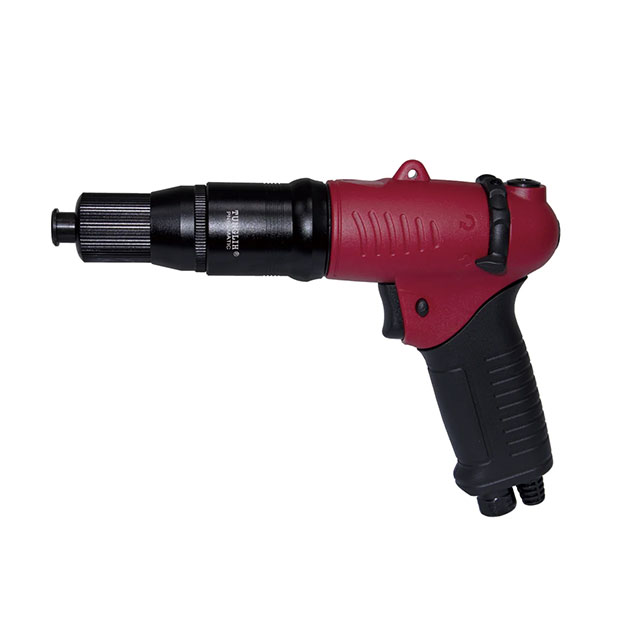
Pistol grip pneumatic screwdrivers have a handle that extends downward at a right angle from the drive axis, resembling a handgun grip. This design offers a firm, secure hold and often feels more natural for horizontal fastening. The trigger placement under the handle allows easy actuation using the index finger, facilitating quick, responsive control.
The pistol grip shape generally enables better leverage, making it easier to apply higher torque with less effort. However, the wrist may bend more during use, potentially increasing strain, especially if the task requires awkward positioning or prolonged operation. The bulkier design can add weight, which might contribute to user fatigue over long shifts.
Torque reaction is the force felt by the operator as the screwdriver resists turning the fastener. Inline screwdrivers channel this force along the tool’s axis, which can cause a push-back sensation in the wrist and forearm. Pistol grip screwdrivers direct torque reaction sideways, which may feel different but can also cause wrist twisting.
Both types of pneumatic screwdrivers generate vibration during operation. High vibration levels increase operator discomfort and can lead to conditions like hand-arm vibration syndrome (HAVS) if exposure is prolonged. Pneumatic pulse tools tend to produce less vibration and torque reaction than continuous drive models, which can improve comfort.
Grip style directly influences muscle use and posture. Inline tools encourage a more linear wrist position, reducing strain for vertical fastening but may increase fatigue if torque is high. Pistol grips offer better leverage and control for horizontal fastening but can cause more wrist bending, increasing risk of repetitive strain injuries.
Choosing the right grip style helps reduce operator fatigue by matching the tool to the task’s orientation and torque demands. Proper ergonomics also enhance safety by minimizing the chance of slips, misalignments, or loss of control during fastening. Using tool balancers or supports can further reduce strain regardless of grip style.
Tip: When selecting a pneumatic screwdriver, prioritize grip style based on the main fastening direction and torque level to reduce operator fatigue and improve safety.
Inline pneumatic screwdrivers usually offer moderate torque ranges suitable for many assembly tasks. Their design channels torque directly along the tool’s axis, which makes them ideal for precision fastening where controlled torque application is critical. Typical torque outputs for inline models range from about 10 to 95 lbf·in, depending on the manufacturer and model. This range fits well for vertical fastening jobs and delicate assemblies requiring steady, consistent torque.
Because inline screwdrivers often feature continuous drive mechanisms, they provide smooth torque delivery. This helps avoid over-torquing and ensures repeatable results. However, their maximum torque output is generally lower than pistol grip types, limiting their use in heavy-duty applications.
Pistol grip pneumatic screwdrivers are built to handle higher torque levels, often surpassing 150 lbf·in or more. The pistol grip design offers better leverage, allowing operators to apply greater force with less effort. This makes them well suited for horizontal fastening tasks and applications requiring high torque, such as automotive or heavy machinery assembly.
Many pistol grip models use discontinuous (pulse) drive styles, which deliver torque in bursts. This enables faster rundown speeds and reduces torque reaction felt by the user, improving comfort during high-torque fastening. However, pulse drives may sacrifice some torque precision compared to continuous drives.
Continuous drive screwdrivers apply torque steadily until reaching a preset limit, then disengage to prevent over-tightening. Inline screwdrivers commonly use this style, prized for accuracy and smooth operation. This makes them excellent for sensitive or soft materials where consistent torque is essential.
Discontinuous or pulse drive tools apply torque in rapid pulses rather than a continuous stream. Pistol grip screwdrivers often use this approach, enabling faster screw run-downs and lower vibration. Pulse drives reduce torque reaction and operator fatigue but may have less precise torque control, which can be a drawback in applications requiring tight torque tolerances.
Pistol grip pneumatic screwdrivers typically deliver higher maximum torque than inline models. Their angled grip provides mechanical advantage, letting users exert more force comfortably. The design also supports larger, more powerful motors and heavier-duty internal components.
Inline screwdrivers are limited by their straight, slender form, which prioritizes precision and ergonomics over raw power. While they excel at controlled torque delivery, their maximum torque output usually falls short of pistol grips.
In summary, choose pistol grip screwdrivers for high-torque, heavy-duty tasks and inline screwdrivers for precision, lower-torque applications requiring steady control.
Tip: For applications demanding high torque and fast rundown, select pistol grip pneumatic screwdrivers with pulse drive; for precision torque control, opt for inline models with continuous drive.
Inline pneumatic screwdrivers excel in vertical fastening tasks. Their straight, elongated design aligns the tool’s axis with the fastener, making it easy to hold and control when working downward or upward. This grip style suits assembly lines where operators fasten screws on flat panels, electronic enclosures, or appliance backs. Inline screwdrivers offer precise torque control, essential for sensitive components like circuit boards or plastic housings. Their lighter weight and ergonomic form reduce wrist strain during repetitive vertical operations.
Common examples include fastening screws on vertical walls, mounting brackets, or assembling vertical frames. In these cases, the inline tool’s natural wrist alignment helps maintain accuracy and reduces operator fatigue over long shifts.
Pistol grip pneumatic screwdrivers shine in horizontal fastening jobs. Their handle extends at a right angle, allowing a firm grip and better leverage for applying higher torque. This style suits assembly tasks where fasteners are positioned horizontally or in awkward angles where inline tools would cause wrist bending or discomfort.
Typical applications include automotive assembly, machinery construction, and heavy equipment fastening, where screws require more torque and operators benefit from the pistol grip’s mechanical advantage. The trigger placement under the handle enables quick actuation and better control during fast-paced horizontal work.
High torque applications generally favor pistol grip screwdrivers. Their design supports more powerful motors and pulse drive styles, delivering bursts of torque needed for heavy-duty fasteners in metal or thick materials. For example, fastening structural bolts on machinery frames or automotive chassis requires the pistol grip’s strength and leverage.
Conversely, precision torque control is better achieved with inline screwdrivers. Their continuous drive style applies torque smoothly and disengages at preset limits to prevent over-tightening. This makes them ideal for delicate assemblies like electronics, medical devices, or plastic components where consistent torque prevents damage.
Workspace layout and environment strongly influence grip selection. Inline screwdrivers suit confined vertical spaces or assembly lines where tools hang from balancers, reducing operator strain. Their slim profile fits tight areas and overhead tasks.
Pistol grip screwdrivers perform better in open workstations or mobile applications where operators need to move around or reach awkward angles. Their robust design handles harsher environments like automotive plants or outdoor machinery assembly.
Additionally, noise and vibration levels may affect choice. Inline tools with continuous drive tend to produce less vibration, improving comfort in quieter environments. Pistol grip pulse tools, while noisier, reduce torque reaction and speed up fastening in high-output settings.
Tip: Match your screwdriver grip style to the main fastening direction and torque needs to optimize operator comfort and fastening quality.
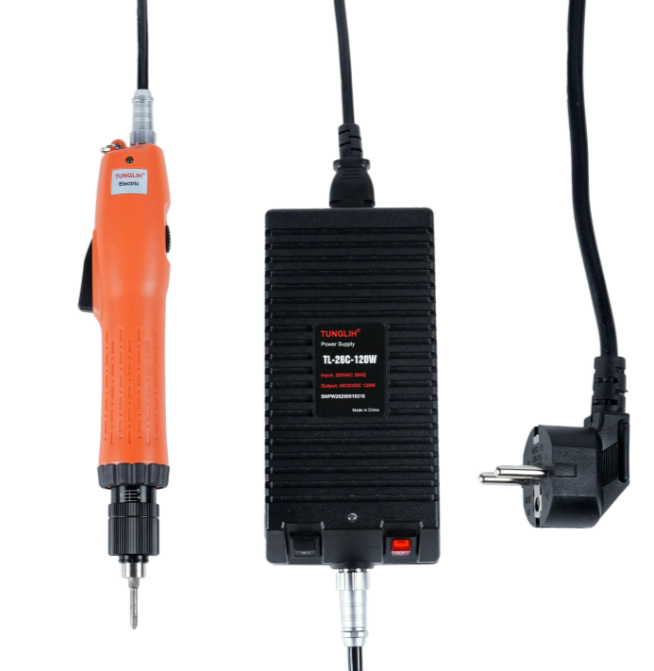
Pneumatic screwdrivers come with either fixed or adjustable drive sizes. Fixed drive screwdrivers have a single, non-changeable bit size. They are ideal when your work involves repetitive fastening tasks using the same screw size. This setup reduces tool changeover time and increases consistency in high-volume production lines.
Adjustable drive screwdrivers offer flexibility by allowing operators to swap bits of different sizes. These are perfect for jobs requiring multiple screw types or frequent changes in fastener size, such as repair work or small batch assembly. Adjustable drives help reduce the number of tools needed, saving space and cost.
Inline and pistol grip screwdrivers both offer fixed and adjustable drive options. The choice depends more on the application than grip style. For example, an inline screwdriver with an adjustable drive is useful in electronics assembly, where various screw sizes appear. Conversely, a pistol grip with a fixed drive suits automotive assembly lines focused on a single fastener type.
Pneumatic screwdrivers employ various actuation methods to start and stop the tool. The most common are:
Triggers: Found mostly on pistol grip models, triggers allow easy control using the index finger. They provide quick response and variable speed control by adjusting finger pressure.
Levers: Some inline screwdrivers use levers positioned near the grip. Operators push or pull the lever to activate the tool, which can be more ergonomic for certain wrist positions.
Buttons: Buttons are simple on/off controls, often used in inline screwdrivers. They provide straightforward operation but may require additional hand movement.
Pressure-activated heads: These tools start automatically when pressed against the fastener. They reduce the need for a separate trigger action, lowering operator strain and speeding up repetitive tasks.
Pistol grip pneumatic screwdrivers typically favor trigger actuators. The handle design makes trigger use natural and efficient. Triggers allow variable speed control, which benefits high-torque or fast rundown applications common to pistol grips.
Inline screwdrivers more often use levers, buttons, or pressure-activated heads. The straight design aligns well with pressure-activated heads, enabling smooth, hands-free operation. This is especially helpful in vertical fastening tasks where the operator’s wrist remains stable.
Choosing the right actuation method depends on the grip style and task. For example, a pistol grip tool with a trigger suits horizontal, heavy-duty fastening. An inline screwdriver with a pressure-activated head excels in vertical, high-precision assembly.
Actuation method affects how easily operators can control the screwdriver and how much strain they experience. Triggers require finger movement, which can cause fatigue over long shifts if the tool is heavy or vibration is high. However, triggers offer fine speed control, improving fastening accuracy.
Pressure-activated heads reduce finger strain by eliminating the need for a trigger pull. They promote faster cycle times and consistent operation, especially in automated or semi-automated assembly lines. Levers and buttons may require awkward hand positions, increasing the risk of repetitive strain injuries if used improperly.
Matching the actuation method to the grip style and work environment helps optimize operator comfort and productivity. For instance, using a pressure-activated inline screwdriver in a vertical assembly line can reduce fatigue and speed up production.
Tip: Select an actuation method that complements your screwdriver’s grip style and application to maximize operator comfort and efficiency.
Both inline and pistol grip pneumatic screwdrivers require regular maintenance to ensure peak performance and longevity. Maintenance mainly involves cleaning, lubrication, and inspection of internal components. Inline screwdrivers, often used in precision tasks, may need more frequent calibration to maintain accurate torque control. Pistol grip models, which handle higher torque and heavier workloads, often require more robust servicing to address wear on moving parts.
Service intervals vary by manufacturer and usage intensity. Typically, mid-grade pneumatic screwdrivers need servicing every 200 hours of operation, while high-grade tools can go up to 2,000 hours before major service. Regularly changing air filters and ensuring clean, dry compressed air reduces internal wear for both grip styles. Neglecting maintenance may cause decreased torque accuracy, increased vibration, and premature tool failure.
Pneumatic screwdrivers generate moderate noise during operation, usually around 80 decibels or higher. Inline screwdrivers with continuous drive mechanisms tend to produce a steadier, lower noise level compared to pistol grip pulse tools, which emit sharper bursts of sound. In environments with multiple pneumatic tools or compressors, noise can exceed safe hearing thresholds.
To protect operators, hearing protection such as earplugs or earmuffs is recommended, especially in confined spaces or high-volume production areas. Noise reduction measures like sound-dampening enclosures or isolating compressed air sources can also improve workplace comfort and compliance with occupational safety regulations.
Using pneumatic screwdrivers safely involves proper training and personal protective equipment (PPE). Operators should wear safety glasses to shield eyes from flying debris or fastener fragments. Gloves can protect hands from vibration and accidental contact with sharp edges, but they must not compromise grip or control.
Hearing protection is essential when noise levels exceed 85 decibels. Additionally, ensure work areas are free from tripping hazards caused by air hoses. Pneumatic tools should always be disconnected from air supply before changing bits or performing maintenance.
Ergonomic aids like tool balancers or supports reduce operator fatigue and risk of repetitive strain injuries. Employers must enforce safety protocols and provide regular training on tool handling and PPE use to minimize accidents.
Choosing pneumatic screwdrivers from reputable manufacturers ensures better build quality, reliability, and support. High-quality tools often feature durable components, precise torque control, and effective vibration dampening. Manufacturers with strong warranties provide protection against defects and reduce total cost of ownership.
Good customer service and availability of spare parts are vital for minimizing downtime during repairs. When investing in pneumatic screwdrivers, consider the manufacturer’s track record and user reviews alongside technical specifications.
Tip: Schedule regular maintenance and use proper PPE to maximize safety, reduce noise impact, and extend the life of your pneumatic screwdrivers.
Inline pneumatic screwdrivers generally come with a lower initial price compared to pistol grip models. Their simpler, straight design uses fewer materials and typically smaller motors, which reduces manufacturing costs. This makes inline tools attractive for businesses focusing on precision tasks with moderate torque needs.
Pistol grip screwdrivers tend to cost more upfront. Their angled handle requires more complex housing and often supports larger, more powerful motors. The additional features like pulse drive mechanisms and ergonomic triggers also add to the price. For companies needing high torque and durability, the higher initial investment can be justified by improved performance.
Both inline and pistol grip pneumatic screwdrivers offer long service lives when properly maintained. Inline screwdrivers, used mainly for precision and lower torque tasks, often experience less mechanical stress, which can translate into fewer repairs and longer intervals between servicing.
Pistol grip models handle tougher jobs and higher torque, so they may require more frequent maintenance to replace worn parts or recalibrate torque settings. However, their robust construction helps them withstand harsh environments, making them reliable in demanding production lines.
When factoring in maintenance costs and downtime, both grip styles provide good long-term value. Choosing a durable model and following recommended service schedules extends tool lifespan and reduces total ownership cost.
The choice between inline and pistol grip screwdrivers often comes down to balancing price against performance needs. Inline models offer excellent precision and comfort at a lower cost, ideal for delicate assemblies or vertical fastening. However, they lack the maximum torque and speed of pistol grip tools.
Pistol grip screwdrivers deliver higher torque and faster rundown speeds, essential for heavy-duty applications. Their price premium reflects these capabilities and ergonomic advantages, especially in high-volume or high-torque environments.
Businesses should evaluate their specific fastening requirements, including torque range, speed, and operator comfort, to determine which tool offers the best return on investment.
To select the right pneumatic screwdriver, start by analyzing your application’s torque demands, fastening orientation, and production volume. If your work involves precision vertical fastening with moderate torque, an inline screwdriver offers a cost-effective, ergonomic solution.
For horizontal fastening or heavy-duty tasks requiring high torque, investing in a pistol grip screwdriver pays off through increased efficiency and reduced operator strain. Consider total cost of ownership, including maintenance and potential downtime, rather than just the purchase price.
Finally, factor in operator comfort and safety. A tool that reduces fatigue and injury risk can improve productivity and lower indirect costs, making it a smarter investment.
Tip: Balance upfront cost against long-term performance and maintenance needs to choose the pneumatic screwdriver best suited for your application and budget.
Inline and pistol grip pneumatic screwdrivers differ mainly in design, torque, and ergonomics. Inline tools suit precision, vertical tasks with moderate torque, while pistol grips excel at high-torque, horizontal fastening. Consider task orientation, torque needs, and operator comfort when choosing. For delicate assemblies, inline screwdrivers offer control and reduced fatigue. Heavy-duty jobs benefit from pistol grip models' leverage and power. Dongli Industrial Equipment (Shenzhen) Co., Ltd. provides reliable, ergonomic pneumatic screwdrivers that enhance productivity and operator safety, delivering excellent value for diverse industrial needs.
A: Inline screwdrivers have a straight design that reduces wrist strain in vertical tasks, while pistol grip models offer better leverage for horizontal fastening but may increase wrist bending and fatigue.
A: Pistol grip screwdrivers typically deliver higher maximum torque suitable for heavy-duty tasks, whereas inline models provide moderate torque with precise control for delicate assemblies.
A: Inline tools excel in vertical, precision fastening with moderate torque, while pistol grip screwdrivers are better for horizontal, high-torque jobs requiring speed and leverage.
A: Pistol grips commonly use triggers for variable control, whereas inline models often feature pressure-activated heads or levers to reduce operator strain in repetitive tasks.
A: Inline screwdrivers usually cost less initially with lower maintenance due to lighter use, while pistol grip models are pricier but built for durability in demanding environments.