T: +86-13302905061
E: sales@dongli2006.com
E: sales@dongli2006.com
Building 101, No.5 Rixing Street, Pingdong Community, Pingdi Street, Longgang District, Shenzhen, Guangdong, China.
Views: 0 Author: Site Editor Publish Time: 2025-10-27 Origin: Site


Ever wondered how an Electric Screwdrivers works? This tool blends power and precision in your hand, making screwing faster and less tiring. In this article, we explore its internal parts, including motors, gears, and torque control, so you will understand how it drives screws efficiently.
The battery powers the electric screwdriver and determines both runtime and torque capacity. Most modern models use lithium-ion or nickel-metal hydride batteries, which offer a balance of energy density and weight. Lithium-ion batteries are lighter and provide longer runtime, while NiMH batteries are more affordable but heavier.
Battery placement also affects handle ergonomics. A battery integrated into the handle ensures balanced weight distribution, reducing wrist strain during extended use. Cordless models benefit from compact batteries that provide portability without compromising power.
The switch directs electricity from the battery to the motor. In the neutral position, it stops current flow, preventing accidental motor activation. Forward and reverse positions control the rotation direction of the motor, enabling both screw insertion and removal.
Inside the switch, metal loops and contacts ensure reliable current delivery. They are engineered to minimize electrical resistance and heat buildup, which improves the tool’s lifespan. Users can rely on smooth operation even during intensive tasks.
The motor is the heart of the electric screwdriver. A small DC motor generates rotational force, which is then amplified by the gear system. Motor speed and torque are inversely related, meaning high-speed motors require gearing to increase torque for driving screws into tougher materials.
By engaging the trigger, the motor transfers energy to the gears and ultimately the chuck. High-quality motors provide consistent torque, reducing the risk of stripped screws or damaged surfaces.
The chuck holds screwdriver bits securely. Its locking mechanism prevents bits from slipping during operation, ensuring precise screw placement. Keyless chucks allow for quick bit changes, while keyed versions provide stronger grip for heavy-duty applications.
A well-designed chuck contributes to overall tool accuracy and user confidence. It is particularly important in industrial or electronics assembly, where precision is critical.
Electric screwdrivers often use dual-layer planetary gears. These consist of a central sun gear, surrounding planet gears, and an outer ring gear. The design reduces motor speed while increasing torque, enabling the tool to drive screws efficiently without overloading the motor.
The gear ratio determines torque output. For instance, a 56:1 reduction ratio means the motor spins 56 times for the chuck to turn once. This allows the chuck to exert significant force while the motor maintains a manageable speed.
Gear Component | Function | Torque Effect |
Sun Gear | Central driver gear | Transfers rotation to planet gears |
Planet Gears | Orbit sun gear | Amplifies torque |
Ring Gear | Stationary outer gear | Guides torque to chuck |
Reducing motor speed increases torque, making it easier to drive screws into hard materials. Gear material, tooth design, and lubrication affect durability and noise levels. Metal gears provide strength, while plastic gears reduce weight and cost.
Smooth engagement between gears prevents jerking, which improves user control. High-quality gear systems contribute to longer tool life and consistent performance.
Besides planetary gears, screwdrivers may use spur, helical, or worm gears for specific applications. Spur gears are simple and cost-effective but noisy. Helical gears operate quietly and handle higher loads. Worm gears provide large reduction ratios and prevent reverse motion, acting as an effective braking mechanism.
The energy flow in an electric screwdriver starts with the battery, which sends electricity through the switch to activate the motor. The motor generates rotational force, which is transferred to the gears, ultimately turning the screwdriver bit with precision. Each component must work in perfect coordination to avoid energy loss or mechanical inefficiency. Proper maintenance of gears, motor brushes, and electrical contacts ensures consistent torque output and prevents overheating, allowing the tool to operate smoothly even during prolonged or heavy-duty tasks. Users can rely on steady performance across different materials, from soft wood to dense metal.
The switch not only powers the motor but also controls its polarity, enabling forward and reverse rotation. This dual-direction functionality simplifies both screw insertion and removal, eliminating the need for manual repositioning or tool changes. Professionals and DIY enthusiasts benefit from rapid directional changes when working on complex assemblies or disassembling components. Additionally, the precise motor control ensures that screws are neither overdriven nor stripped, improving overall efficiency and protecting the integrity of the materials being fastened. This feature is essential in electronics assembly, furniture construction, and automotive repairs.
Torque control prevents over-tightening, which can damage screws, fasteners, or sensitive materials. Electric screwdrivers achieve this through adjustable clutches, which automatically disengage the motor at preset torque levels. Some models also offer manual torque settings, allowing operators to customize output for specific tasks. This ensures uniform screw depth, reduces errors, and minimizes rework in both small-scale and industrial operations. Accurate torque control is particularly important in high-precision applications such as assembling electronics, where even slight variations can cause component failure. It provides reliability, safety, and efficiency in everyday professional use.
Corded models provide continuous, uninterrupted power, making them ideal for heavy-duty, high-volume screwdriving tasks. They eliminate downtime caused by battery depletion and are particularly suited for assembly lines, workshops, and industrial production environments. However, the corded design limits mobility, so operators must plan workspace layouts carefully. These tools excel at repetitive screwdriving where consistent torque and speed are critical. Their robust construction and continuous power make them reliable for demanding applications, including manufacturing and professional carpentry.
Cordless models offer portability and flexibility, powered by rechargeable lithium-ion batteries. They allow users to move freely across different work sites or assembly points without being tethered to power outlets. Lithium-ion batteries deliver high energy density, lightweight design, and long runtime, while some models support fast charging to minimize downtime. Cordless tools are ideal for both home projects and professional environments where mobility is essential. They combine ease of use with sufficient torque to handle medium-duty tasks efficiently, making them versatile for DIY, electronics, and furniture assembly.
Impact screwdrivers use a combination of rotational force and hammering action to drive screws into tough materials like hardwood or metal. Brushless motor models enhance efficiency by reducing energy loss, lowering heat generation, and extending tool lifespan. They also require less maintenance and provide more precise torque delivery. These tools are preferred in professional settings, including construction, automotive, and industrial applications, due to their reliability and high performance under continuous use. Impact and brushless models increase productivity while minimizing downtime and tool wear.
Ergonomically designed handles improve comfort, reduce hand fatigue, and increase control during prolonged use. Anti-slip surfaces and contoured grips allow users to maintain a secure hold even in challenging positions. Proper handle design also helps prevent repetitive strain injuries, which is critical for professionals who use screwdrivers for extended periods. Comfort and precision go hand-in-hand, ensuring accurate screw placement and consistent torque application. Industrial operators and DIY enthusiasts alike benefit from tools designed to reduce strain while maintaining high efficiency.
Balanced weight distribution enhances control and precision, particularly when working in confined or overhead spaces. Lightweight designs improve maneuverability, allowing users to complete repetitive tasks with less effort. Battery placement also influences balance; well-positioned batteries reduce wrist strain and increase handling accuracy. These ergonomic considerations directly affect user efficiency and precision, making them essential in both industrial production lines and home projects.
Built-in LED lights illuminate work areas, especially in low-light conditions or tight spaces, improving accuracy and reducing errors. Additional features such as magnetic bit holders, belt clips, or accessory compartments enhance workflow efficiency. They allow users to keep essential components within easy reach, minimizing interruptions and improving productivity. Ergonomic and auxiliary enhancements not only improve comfort but also contribute to safer and faster screwdriving operations.
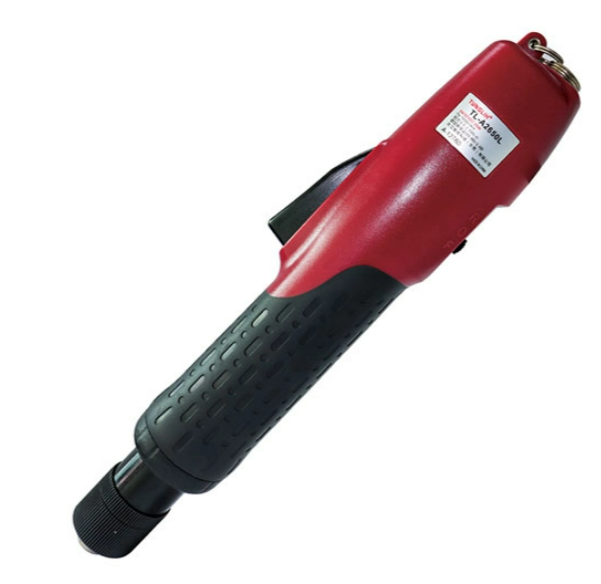
Electric screwdrivers simplify repetitive household tasks, such as assembling flat-pack furniture or repairing cabinets. They save time and reduce physical strain, allowing users to complete projects quickly and accurately. Adjustable torque ensures screws are driven to the correct depth, preventing damage to surfaces or components. The tool’s compact design makes it ideal for reaching tight corners and confined spaces, improving overall user convenience.
For delicate electronics and small appliances, precision screwdrivers with adjustable torque are essential. They prevent over-tightening, which could damage fragile circuits or components. Small, lightweight models allow careful handling and accurate positioning of screws, ensuring safe assembly and repair. This precision makes them invaluable for both hobbyists and professional technicians.
In industrial applications, electric screwdrivers deliver high-speed, consistent, and accurate screwdriving. Advanced motor and gear systems enable tools to handle continuous use without losing performance. They are used extensively in assembly lines, electrical installations, and manufacturing facilities where reliability and efficiency are paramount. These screwdrivers reduce human error, improve workflow speed, and maintain consistent torque across multiple screws.
Mechanics and carpenters benefit from torque-controlled and impact models when working on vehicles or woodworking projects. These tools provide sufficient power to drive long screws into hard materials, while maintaining accuracy and preventing damage. Brushless and impact models are particularly valuable in automotive repair, where high torque and durability are required.
Application | Recommended Model | Key Feature |
Home DIY | Cordless screwdriver | Lightweight and portable |
Electronics | Small torque-controlled | Adjustable torque |
Industrial | Corded/impact | High speed and continuous power |
Automotive | Brushless impact | Durability and high torque |
Regular cleaning and lubrication of gears, motor components, and the chuck prevent wear and maintain smooth operation. Excessive grease should be avoided as it can attract dust and debris, which impairs performance. Maintaining internal components ensures consistent torque output and prolongs tool lifespan, allowing both industrial operators and DIY users to work efficiently over time.
Proper charging, storage, and usage habits extend battery life. Li-ion batteries should not be fully discharged, and storing them at moderate temperatures preserves energy capacity. Regular monitoring and care reduce the risk of unexpected downtime, ensuring the tool is ready when needed for both professional and personal projects.
Common problems such as stuck chucks, overheating motors, or faulty switches can be minimized with preventative maintenance. Following manufacturer guidelines for repairs and replacement parts ensures consistent tool performance and reduces operational interruptions. Well-maintained screwdrivers provide long-term reliability, which is critical for industrial operations and repetitive professional tasks.
Electric screwdrivers combine batteries, motors, gears, and chucks for precise, powerful operation. Understanding how they work and their torque control helps select the right tool. Dongli Industrial Equipment (Shenzhen) Co., Ltd. offers reliable models that enhance efficiency and safety, delivering real value for professional and DIY use.
A: An electric screwdriver is a handheld tool that combines power and precision for driving screws efficiently. Its electric screwdriver internal components, including motor, battery, and gears, enable smooth operation.
A: An electric screwdriver works by transferring energy from the battery through the switch to the motor, which drives the chuck via the electric screwdriver gear system, allowing forward and reverse rotation.
A: Key components include the battery, motor, switch, chuck, and gears. Understanding these parts helps maintain the tool and optimize electric screwdriver torque control for different tasks.
A: Torque control prevents over-tightening and damage. Electric screwdriver torque control allows consistent screw depth, ideal for delicate electronics and professional applications.
A: There are corded, cordless, impact, and brushless models. Each type offers different benefits, and the choice depends on tasks, portability, and desired efficiency.
A: Regular cleaning, lubrication, and proper battery care ensure longevity. Understanding electric screwdriver internal components helps prevent common issues like overheating and motor failure.
A: Electric screwdrivers save time, reduce strain, and provide consistent torque. They excel in home DIY, industrial work, electronics, and automotive applications.
A: The electric screwdriver gear system amplifies torque while controlling speed. Proper gear selection improves efficiency, durability, and precision in various screwdriving tasks.
A: Check the battery, switch, and chuck for proper function. Understanding how electric screwdriver works and maintaining its internal components can prevent and resolve most problems.
A: Yes, advanced models with brushless motors, impact action, and precise torque control support high-speed, accurate, and repetitive screwdriving in professional settings.