T: +86-13302905061
E: sales@dongli2006.com
E: sales@dongli2006.com
Building 101, No.5 Rixing Street, Pingdong Community, Pingdi Street, Longgang District, Shenzhen, Guangdong, China.
Views: 0 Author: Site Editor Publish Time: 2026-03-24 Origin: Site


Are you using the right tool for your assembly line? Pneumatic Screwdriver boost efficiency and precision in industrial work. They outperform electric and manual screwdrivers in many tasks. In this post, you’ll learn about pneumatic screwdrivers’ benefits, key features, and how to choose the best one for your needs.
Selecting the right pneumatic screwdriver starts with understanding the torque your assembly requires. Torque is the twisting force needed to secure fasteners properly, measured in inch-pounds or newton-meters. It’s essential to pick a pneumatic torque screwdriver whose torque range comfortably includes your target value—ideally in the middle of the tool’s range. For example, if your assembly needs 25 inch-pounds, choose a model with a range from about 10 to 40 inch-pounds rather than one that maxes out near 25. This ensures consistent performance and repeatability, avoiding issues like over-torque or under-torque that can damage components or lead to loose joints.
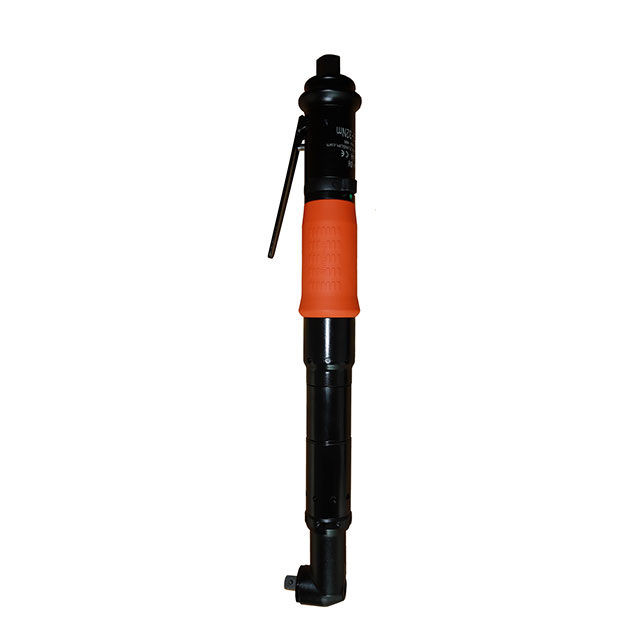
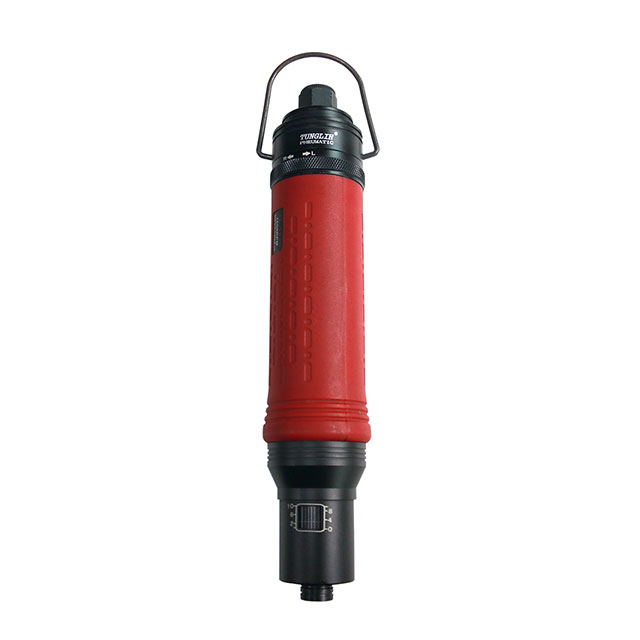
The shape of your air screwdriver affects operator comfort and productivity. Common designs include pistol grip, inline pneumatic screwdriver, and angle models. Pistol grip tools work best for horizontal screwdriving tasks where the fastener faces sideways, reducing wrist strain. Inline screwdrivers suit vertical assembly, especially when parts lie flat on a bench. Angle screwdrivers excel in tight spaces or where high torque is needed. Ergonomics matter—choose a tool that minimizes operator fatigue with balanced weight and comfortable grip, especially for high-volume assembly lines.
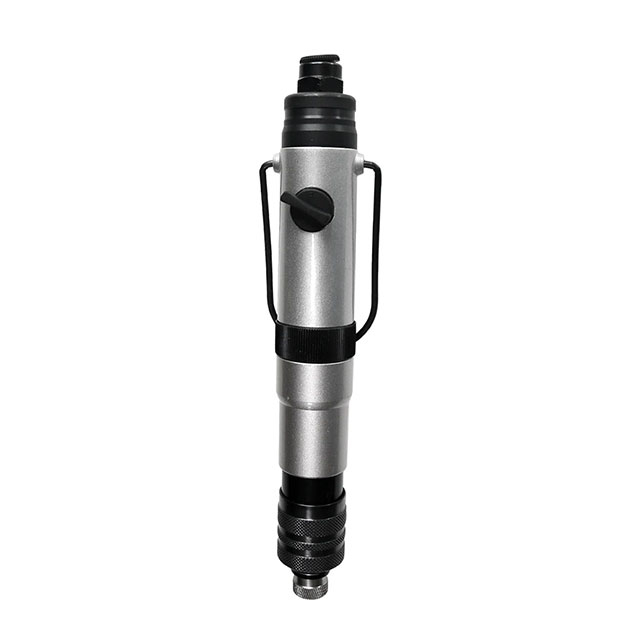
Pneumatic screwdrivers have an inverse relationship between speed and torque. Low torque tools spin faster, while high torque models operate at slower speeds. Faster isn’t always better. For delicate materials like plastics or soft metals, a slower air torque screwdriver reduces the risk of stripping screws or damaging parts. Conversely, for robust metal assemblies, a faster tool can boost productivity without compromising quality. Consider your material and screw size carefully when deciding on speed.
Activation methods vary between push-to-start, lever start, trigger start, or combinations. Inline pneumatic screwdrivers often use push-to-start or lever start, while pistol grip models typically have trigger start options. Push-to-start tools activate when the operator applies pressure to the bit, allowing fast operation but sometimes causing the bit to wander. Lever or trigger start tools require deliberate action, improving control and reducing cross-threading in critical assemblies. For high-volume, less sensitive tasks, push-to-start is efficient. For delicate or precision work, lever or trigger start is preferable.
Most pneumatic screwdrivers use a 1/4" female quick-change bit holder compatible with standard hex shank bits. This system allows fast bit swaps and secure fastening. Some angle pneumatic screwdrivers feature 1/4" square drives for socket use, ideal for nuts or bolts. Ensure your bit holder matches the fasteners in your assembly to avoid slippage or damage.
The clutch mechanism controls torque delivery and is crucial for quality assembly. Common types include:
Precision Shut Off Clutch: Automatically stops at preset torque, ideal for high-volume, critical assemblies requiring repeatability.
Cushion (Slip) Clutch: Allows slight slipping at torque limit, suitable for general manufacturing where exact torque is less critical.
Positive Jaw Clutch: Used in thread-cutting or self-tapping applications, allowing additional torque by operator pressure.
Direct Drive (Stall) Tools: No clutch; torque controlled by air pressure. Best for soft materials or non-critical joints.
Choose a clutch type based on joint material and assembly precision needs.
Durability affects long-term costs and tool reliability. Look for pneumatic screwdrivers made with wear-resistant materials and sealed housings to protect internal components. Regular maintenance like lubrication and air filter checks prolong tool life. Consider air supply quality; clean, dry compressed air prevents corrosion and wear. Pneumatic tools generally have lower maintenance costs compared to electric alternatives but require consistent care to maintain torque accuracy and performance.
When selecting a pneumatic screwdriver, matching the torque output to your fastener and joint is crucial. The torque must be strong enough to securely fasten components without damaging them. Pneumatic torque screwdrivers typically offer a range of torque values. Aim to have your required torque positioned near the center of this range for the best repeatability and accuracy. For instance, if your joint requires 30 inch-pounds, select a tool with a torque range of about 10 to 50 inch-pounds rather than one capped at 35. This helps avoid over-torqueing or under-torqueing, which can cause loose assemblies or stripped threads.
Pneumatic screwdrivers operate with an inverse relationship between speed and torque. Tools that deliver higher torque usually run at slower speeds, while lower torque models spin faster. This balance matters because fast speeds can damage sensitive materials like plastics or thin metals. For delicate assemblies, an air torque screwdriver with moderate speed reduces the risk of stripping screws or cracking parts. Conversely, robust metal assemblies benefit from faster speeds to enhance productivity without sacrificing quality. Choosing the right speed is about matching the tool’s capability to your material’s tolerance and the fastener size.
Consistent torque application is key to product quality. Over-torqueing can deform or break fasteners, while under-torqueing risks joint failure. Pneumatic screwdrivers with precise clutch mechanisms help maintain torque accuracy. However, air pressure fluctuations or worn components can affect performance. Regular calibration and maintenance of your compressed air screwdriver ensure it delivers consistent torque throughout production. Additionally, training operators on proper tool handling helps prevent torque errors caused by technique. Avoiding these issues reduces scrap rates and rework costs.
The position of your target torque within the pneumatic screwdriver’s torque range significantly impacts repeatability. Tools perform best when the target torque lies near the middle of their range. If the torque setting is too close to the lower or upper limit, clutch performance becomes less consistent. This variability can lead to uneven fastening and assembly defects. For example, a pneumatic screwdriver with a 5–40 inch-pound range is ideal for a 20 inch-pound target torque. Selecting a tool with a torque range that brackets your requirement by a comfortable margin improves both accuracy and tool longevity.
Selecting the right pneumatic screwdriver shape is key to operator comfort and efficiency. Pistol grip screwdrivers are best for horizontal tasks where the fastener faces sideways. This design reduces wrist strain during repetitive use. Inline pneumatic screwdrivers suit vertical assembly, especially when parts lie flat on a bench. They allow a natural top-down approach, minimizing awkward arm positions. Angle screwdrivers are ideal for tight spaces or applications requiring higher torque. Their bent head design helps reach fasteners in confined areas without forcing the operator’s wrist into uncomfortable angles.
A lightweight, well-balanced pneumatic screwdriver significantly reduces operator fatigue. Tools that are too heavy or poorly balanced cause muscle strain and slow down production. Look for models with ergonomic grips and balanced centers of gravity. Inline pneumatic screwdrivers often hang from tool balancers, which support the tool’s weight and improve maneuverability. Pistol grip and angle screwdrivers should have cushioned, non-slip handles to enhance grip comfort. Minimizing vibration and ensuring the tool fits naturally in the hand also help operators maintain steady control through long shifts.
Pneumatic screwdrivers can produce considerable noise and vibration, which may lead to operator discomfort or hearing damage. Modern air torque screwdrivers incorporate noise reduction features such as oil pulse technology, mufflers, and vibration dampening materials. These technologies lower noise levels below 80 dB and reduce vibration amplitudes to under 0.5 m/s⊃2;, creating a safer work environment. Choosing a pneumatic screwdriver with these features boosts operator comfort and productivity by reducing fatigue and the risk of repetitive strain injuries.
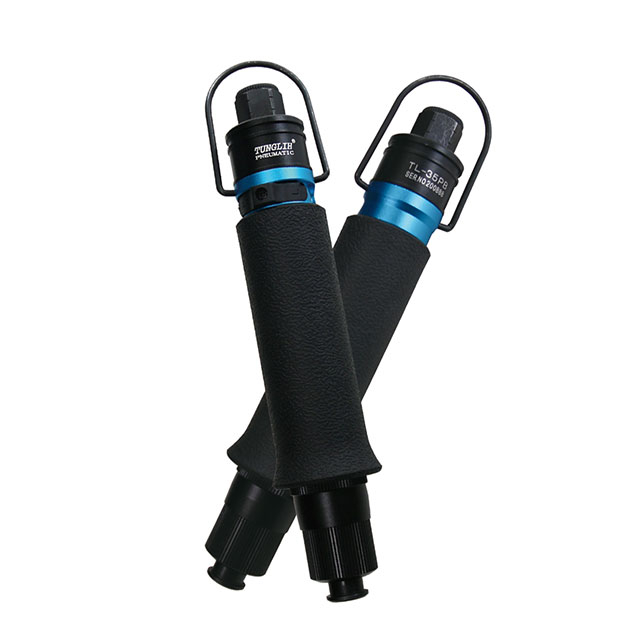
Tool activation method affects how easily operators can control the pneumatic screwdriver. Trigger start activation is common on pistol grip models, providing precise control with a simple finger squeeze. Inline screwdrivers may use push-to-start, lever start, or combined activation. Push-to-start tools activate when downward pressure is applied to the bit, allowing rapid screwdriving but sometimes causing bit wandering. Lever or trigger start activation requires deliberate engagement, improving accuracy and preventing cross-threading. For high-volume, less sensitive tasks, push-to-start maximizes speed. For delicate or precision assemblies, lever or trigger start offers better operator control and reduces errors.
The precision shut off clutch is the most popular and widely used clutch in pneumatic torque screwdrivers. It automatically stops the tool once it reaches a preset torque value, ensuring consistent and repeatable fastening. This clutch type provides excellent torque accuracy, typically within ±10% to ±20% of the target torque, making it ideal for high-volume industrial assembly where quality control is critical.
Because the precision clutch prevents over-torqueing, it protects sensitive components and reduces rework. It suits applications in electronics, automotive parts, medical devices, and even woodworking where consistent torque is essential. Tools like the Deprag pneumatic screwdriver often feature this clutch for reliable performance. The clutch is factory calibrated and usually not adjusted on the production floor, simplifying operator use and maintaining process stability.
The cushion clutch, also known as a slip or ratcheting clutch, allows the bit to slip once the torque limit is reached. This slipping produces an audible ratcheting sound familiar from many commercial air hammer screwdrivers. While less precise than the shut off clutch, cushion clutches offer good torque control and are suitable for general manufacturing where exact torque repeatability is not critical.
They work well on hard or semi-hard joints and are popular in appliance, toy, and power tool assembly. However, cushion clutches are not recommended for delicate materials or safety-critical joints because of their wider torque variation. Pneumatic screwdrivers with cushion clutches are often more affordable and simpler, making them a practical choice when precision is less important.
Positive jaw clutches are designed for thread-cutting or self-tapping screw applications that require extra driving torque beyond the final torque setting. This clutch uses opposing jaws that engage firmly during rotation but separate to stop the spindle once the torque threshold is met. Operators can then apply additional forward pressure to “squeeze” more torque out of the tool manually.
This clutch type is ideal for furniture manufacturing, sheet metal work, and other applications where thread cutting or tapping is frequent. It offers high torque ranges and durability but requires skilled operators to avoid overtightening. Positive jaw clutches are less precise for torque control and not suited for delicate or critical assemblies.
Direct drive, or stall, pneumatic screwdrivers have no mechanical clutch. Instead, torque is controlled solely by regulating air pressure. When the fastener’s resistance exceeds the tool’s output, the motor stalls, stopping rotation. These tools are compact, lightweight, and rugged, with fewer moving parts to maintain.
They are best for soft materials like wood or sheet metal screws where precise torque control is unnecessary. Skilled operators can “feel” the torque to avoid over- or under-tightening. However, stall tools lack torque limiting devices, making them unsuitable for critical joints or applications requiring repeatable torque accuracy.
Choosing the right clutch depends on the joint’s material, required torque precision, and production volume:
| Clutch Type | Best For | Torque Precision | Operator Skill Required |
|---|---|---|---|
| Precision Shut Off | Critical assemblies, electronics, automotive | High (±10-20%) | Low |
| Cushion (Slip) | General manufacturing, hard joints | Moderate | Low |
| Positive Jaw | Thread cutting, self-tapping screws | Low | High |
| Direct Drive (Stall) | Soft materials, non-critical joints | None | High |
For high-quality, repeatable assembly, precision shut off clutches are preferred. Cushion clutches suit less critical applications. Positive jaw clutches are specialized for thread cutting, while direct drive tools fit simple, soft material tasks.
When integrating a pneumatic screwdriver into an automated assembly line, mounting options play a crucial role in ensuring stability and precision. Common mounting solutions include:
Rigid Mounting: Fixed brackets or frames securely hold the screwdriver in place, ideal for high-torque or repetitive tasks requiring consistent positioning.
Articulated Arms: Flexible arms allow the tool to move within a defined range, providing operator-like maneuverability with reduced fatigue.
Tool Balancers: Suspended systems support the screwdriver’s weight, improving ergonomics and ease of movement for semi-automated or manual-assisted operations.
Choosing the right mounting method depends on your production volume, torque requirements, and workspace constraints. For example, inline pneumatic screwdrivers often pair well with tool balancers in vertical assembly stations, while pistol grip models may be mounted rigidly for horizontal automated tasks.
Modern pneumatic torque screwdrivers increasingly offer communication capabilities to enhance process control. Features include:
Torque Data Output: Real-time torque values can be sent to a central system for monitoring and quality assurance.
Status Signals: Tools can communicate operational states such as ready, running, or error conditions.
Integration with PLCs and Controllers: Many pneumatic screwdrivers support common industrial communication protocols (e.g., Ethernet/IP, PROFINET) for seamless line integration.
These data feedback features enable traceability and help maintain assembly consistency. For instance, a Deprag pneumatic screwdriver with data output can alert supervisors if torque deviations occur, reducing scrap and rework.
Pneumatic screwdrivers designed for automation often come with features that ease robotic integration:
Compact and Lightweight Designs: Inline pneumatic screwdrivers with balanced weight reduce payload on robotic arms.
Standardized Mounting Interfaces: Quick-mount adapters facilitate fast tool changes on multi-station systems.
Air Supply and Signal Routing: Tools equipped with integrated air and electrical connectors minimize cable clutter.
Tool balancers complement robotic arms by supporting tool weight and improving positioning accuracy during manual or collaborative robot (cobot) operations. This synergy enhances operator comfort and productivity.
Automating pneumatic screwdriver use delivers multiple advantages:
Improved Repeatability: Automated systems apply torque consistently, reducing variability and assembly defects.
Higher Throughput: Robotics and tool balancers speed up cycle times by minimizing operator fatigue and movement.
Enhanced Quality Control: Data feedback enables immediate detection of torque anomalies, ensuring product reliability.
Reduced Ergonomic Risks: Automation limits repetitive strain injuries by reducing manual tool handling.
Incorporating pneumatic screwdrivers into automated lines is a smart investment for industries aiming to boost efficiency and maintain high-quality standards.
Tip: When selecting pneumatic screwdrivers for automation, prioritize models with integrated communication features and compatible mounting options to streamline integration and maximize production line efficiency.
Maintaining your pneumatic screwdriver is essential to keep it running smoothly and extend its service life. Regularly lubricate the tool’s air motor and moving parts using the manufacturer-recommended pneumatic tool oil. This prevents wear and corrosion inside the compressed air screwdriver. Check and replace air filters and moisture separators frequently to ensure clean, dry air supply. Contaminants like water or dirt can damage internal components and reduce tool performance. Inspect hoses and fittings for leaks or damage to maintain consistent air pressure. A well-maintained pneumatic screwdriver reduces downtime and repair costs while preserving torque accuracy.
Accurate torque delivery is critical in industrial assembly. Over time, clutch wear or air pressure fluctuations can cause torque drift. Schedule periodic calibration using a calibrated torque tester to verify the pneumatic torque screwdriver’s output. Adjust or replace clutch springs and components as needed to restore precision. Some air torque screwdrivers include adjustable clutches that can be fine-tuned on-site, while others require factory calibration. Keep calibration records for quality control and audit purposes. Regular calibration ensures consistent fastening, reduces rework, and maintains product quality.
The quality of your compressed air supply directly impacts pneumatic screwdriver working and longevity. Aim for clean, dry air at a stable pressure—typically between 6 and 8 bar (90–120 psi). Use filtration systems to remove moisture, oil, and particulates. Moisture can cause rust and corrosion inside the tool, while oil contamination may affect clutch function. Pressure fluctuations lead to inconsistent torque and tool speed, risking assembly defects. Properly sized air compressors, receivers, and well-designed piping help maintain stable air delivery. Monitoring air quality and pressure regularly protects your investment in pneumatic tools and supports smooth production.
Pneumatic screwdrivers generally offer lower initial costs and maintenance expenses than electric torque drivers. They are simpler in design, with fewer electronic parts, making repairs easier and less costly. Compressed air infrastructure is common in many plants, reducing the need for additional power sources. Pneumatic tools tend to have longer lifespans—often exceeding 5,000 operating hours—with proper care. While electric screwdrivers provide programmability and data integration, pneumatic screwdrivers excel in rugged environments and high-volume assembly. Choosing the right tool balances upfront investment, operating costs, and production requirements for maximum long-term efficiency.
Tip: Establish a routine maintenance and calibration schedule, and ensure high-quality, stable compressed air supply to maximize your pneumatic screwdriver’s accuracy, durability, and cost-effectiveness.
Choosing the best pneumatic screwdriver requires balancing torque accuracy, ergonomics, and tool durability. Matching clutch types and activation methods to your assembly needs ensures consistent quality. Consider speed and torque carefully to protect materials and improve productivity. Future trends focus on automation compatibility and data integration for enhanced control. For reliable, efficient pneumatic screwdrivers, Dongli offers advanced tools designed to optimize industrial assembly performance and operator comfort while reducing costs. Their products and services support long-term success in manufacturing environments.
A: A pneumatic screwdriver is a compressed air screwdriver that uses air pressure to drive screws efficiently. Its pneumatic screwdriver working principle involves converting compressed air into rotational torque, ideal for high-volume industrial assembly requiring consistent torque and speed.
A: Select a pneumatic torque screwdriver with a torque range that centers around your assembly’s required torque. This ensures repeatability and prevents over- or under-torqueing, which can damage components or cause loose joints.
A: Pneumatic screwdrivers come in pistol grip, inline pneumatic screwdriver, and angle designs. Choose based on assembly orientation and operator comfort to reduce fatigue and improve productivity.
A: Clutch types like precision shut off, cushion, positive jaw, or direct drive influence torque accuracy and suitability for materials. For critical assemblies, a precision shut off clutch (found in tools like the Deprag pneumatic screwdriver) offers the best repeatability.
A: Pneumatic screwdriver price depends on torque range, clutch type, ergonomic features, and automation compatibility. Higher precision and advanced features usually increase cost but improve assembly quality and efficiency.
A: Clean, dry compressed air at stable pressure is vital for pneumatic screwdriver working and longevity. Moisture or contaminants can damage internal parts, reduce torque accuracy, and increase maintenance needs.
A: Yes, pneumatic screwdrivers with compatible mounting options and communication protocols enhance automation. Inline pneumatic screwdrivers are often preferred for robotic arms and tool balancers in automated setups.