T: +86-13302905061
E: sales@dongli2006.com
E: sales@dongli2006.com
Building 101, No.5 Rixing Street, Pingdong Community, Pingdi Street, Longgang District, Shenzhen, Guangdong, China.
Views: 0 Author: Site Editor Publish Time: 2026-11-09 Origin: Site


Industrial tools duty cycle describes the relationship between operating time and the total operating period. It helps manufacturers evaluate whether a power tool can handle repeated production cycles without excessive heat, wear, or performance loss.
For industrial electric and pneumatic screwdrivers, duty requirements influence tool reliability, maintenance planning, and production efficiency.
Table of Contents
Duty cycle is commonly expressed as a percentage of operating time within a defined period.
For example, a tool operating for 6 minutes during a 10-minute period has a 60% duty cycle.

However, the calculated duty cycle does not automatically indicate whether a tool is suitable for continuous production.
Actual operating limits depend on the manufacturer's ratings, tool design, load, temperature, and operating conditions.
These terms describe different aspects of tool operation.
Production cycle time refers to the time required to complete a manufacturing operation.
Tool duty cycle describes how much of a defined period the tool is actively operating.
A production line may operate continuously while individual tools remain idle between fastening cycles.
Continuous-duty tools are designed for sustained operation under defined conditions.
Intermittent-duty tools require periods of reduced load or rest.
The terms should be interpreted according to manufacturer documentation rather than general assumptions about the power source.
In high-volume production, tools may operate repeatedly across multiple shifts.
If a tool exceeds its intended operating conditions, performance may deteriorate.
Possible consequences include overheating, abnormal wear, inconsistent operation, and increased maintenance requirements.

Electric screwdrivers contain motors, drive mechanisms, and control components that generate heat during operation.
Their ability to manage this heat influences sustained performance.
Motor losses generate heat during operation.
Higher mechanical loads, frequent starts, and limited cooling can increase operating temperatures.
If temperatures exceed the manufacturer's limits, electrical insulation and other components may be affected.
Brushless electric screwdrivers eliminate the mechanical brush-and-commutator contact used in brushed DC motors.
This removes one source of brush wear and may improve maintenance characteristics.
However, brushless technology does not mean a tool can operate indefinitely without thermal limits.
Controller performance, motor sizing, gearbox design, and cooling still matter.
TUNGLIH offers brushless electric screwdrivers for precision and industrial assembly applications.
Continuous use also depends on stable electrical power and suitable control components.
Voltage compatibility, controller capacity, and protection functions should be checked before installation.
For battery-powered equipment, battery capacity, discharge limits, and charging arrangements introduce additional considerations.
Pneumatic tools do not depend on a handheld electric motor, but they still have operating limitations.
Repeated operation causes wear in air motors, bearings, gears, and other moving components.
Wear depends on operating load, air quality, lubrication requirements, and manufacturing conditions.
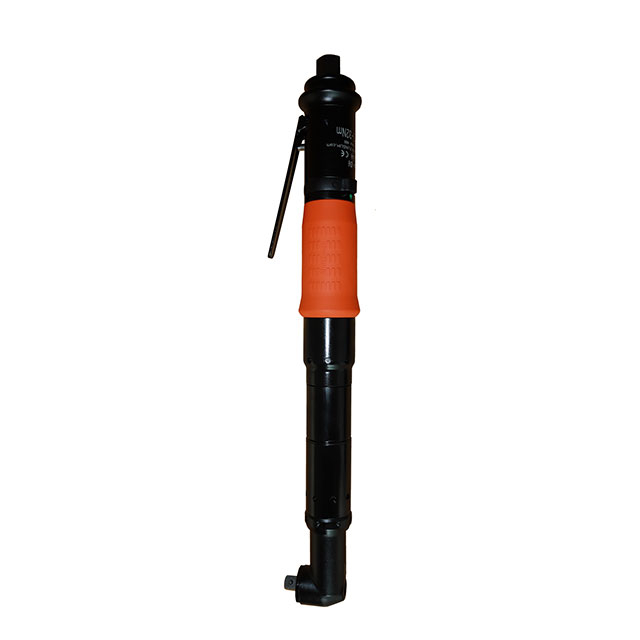
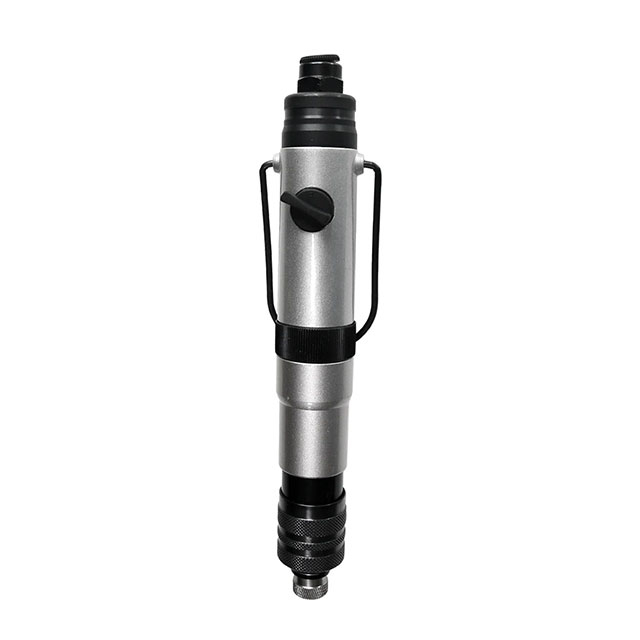
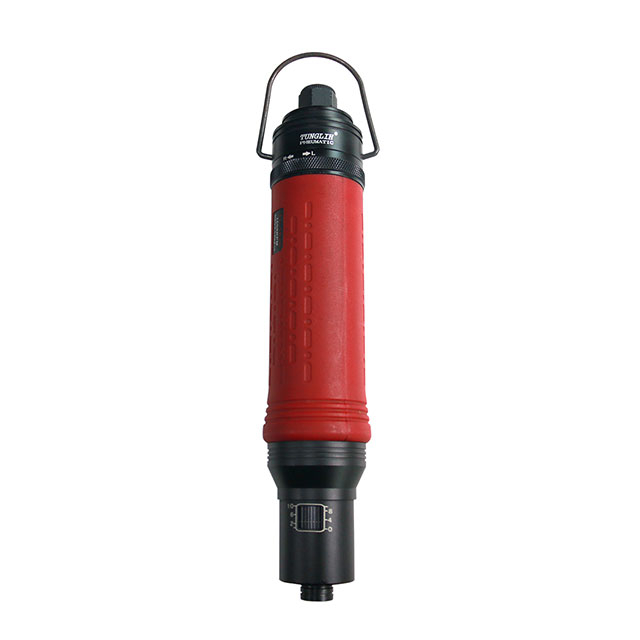
An industrial pneumatic screwdriver requires sufficient compressed-air pressure and flow.
When multiple tools operate simultaneously, pressure losses can reduce performance.
The factory air system should be evaluated at peak demand, not only at average consumption.
Browse TUNGLIH's industrial pneumatic screwdrivers for different torque and tool configurations.
Pneumatic tools may require regular inspection of hoses, filters, seals, and internal components.
The maintenance interval should reflect actual operating frequency and manufacturer instructions.
According to the U.S. OSHA guidance on hand and power tools, pneumatic tools also require appropriate hose connections and safe operating practices.
The following table explains how different tool systems may be affected by repeated production cycles.
Tool Type | Main Operating Consideration | Possible Limitation |
|---|---|---|
Brushed Electric Screwdriver | Motor heating and brush wear | Brush maintenance and thermal limits |
Brushless Electric Screwdriver | Motor and electronic controller loading | Thermal and control-system limits |
Pneumatic Screwdriver | Air supply and mechanical wear | Pressure instability and internal wear |
Battery-Powered Screwdriver | Battery capacity and motor load | Charging and discharge limits |
Hydraulic Pulse Tool | Hydraulic mechanism and operating load | Heat, oil condition, and component wear |
This comparison describes general operating considerations. Actual duty ratings must be verified for individual products.
A practical duty assessment should be based on production data rather than assumed operating conditions.
Measure how long the tool motor runs during each fastening operation.
Separate actual motor time from positioning and handling time.
Suppose a tool runs for 2 seconds during a production cycle lasting 8 seconds.

The calculated duty cycle is 25%, assuming the pattern is consistent.
This is a calculation example, not a recommended duty rating for any TUNGLIH model.
Average duty cycle can hide periods of intensive tool use.
For example, production may operate more rapidly during certain shifts or when multiple screws are tightened in quick succession.
Compare the measured duty with the tool's documented operating requirements.
The review should include ambient temperature, load, electrical or air supply, and expected operating frequency.
A production trial should confirm that the tool maintains acceptable operation over the intended working period.
Monitor tool temperature where relevant, fastening results, unexpected stoppages, and maintenance issues.
A tool operating near its maximum capability for every cycle may face different stresses from a tool working at a moderate load.
However, oversizing should also be avoided because excessive speed or torque may damage fasteners.
Stable electrical supply and compressed-air conditions are essential.
For pneumatic systems, the U.S. Department of Energy's compressed air resources provide guidance on system pressure, leaks, controls, and maintenance.
Inspection should consider tool usage, not merely calendar time.
Operations with several shifts may need more frequent checks than intermittent assembly stations.
Consistent tool operation should be verified through actual fastening results.
A tool that still runs may nevertheless require adjustment or maintenance if fastening quality changes.
TUNGLIH offers electric and pneumatic screwdrivers for industrial production environments.
The product range includes torque-controlled electric models, brushless electric screwdrivers, and several pneumatic tool configurations.
Its industrial electric screwdriver range includes models for precision and high-volume assembly.
For a continuous-production application, provide the target torque, fastening time, screws per cycle, cycles per minute, shift duration, and operating conditions.
These details help determine whether a tool configuration is suitable.
No. A production line may run continuously while individual tools operate intermittently.
Some models support demanding repetitive operation, but their actual duty limits depend on motor, controller, load, and cooling conditions.
Yes. Air motors and mechanical components have operating and maintenance requirements even without an electric drive motor.
Divide the tool's running time by the total observation period and multiply by 100%.
Industrial tools duty cycle is an important factor in production planning and equipment reliability.
Evaluating motor running time, load, operating conditions, and maintenance requirements helps manufacturers reduce unexpected performance problems.
TUNGLIH offers industrial screwdrivers for different production requirements, with electric and pneumatic configurations suited to a variety of assembly applications.