T: +86-13302905061
E: sales@dongli2006.com
E: sales@dongli2006.com
Building 101, No.5 Rixing Street, Pingdong Community, Pingdi Street, Longgang District, Shenzhen, Guangdong, China.


Looking for a reliable, air-powered tool? A pneumatic gun may be the answer.
It’s used for tasks like fastening, cleaning, and drilling. In this article, we’ll explore how pneumatic guns work and their benefits across industries.You’ll learn about their functionality, advantages, and applications. Discover more about our products at TUNGLIH.
A pneumatic gun is a tool that uses compressed air to perform specific mechanical tasks. Unlike electrical tools, pneumatic guns use air pressure to drive their mechanism, offering a clean, efficient, and often more powerful alternative. These tools can be used for a wide range of applications, from cleaning machinery to assembling intricate components in industries such as automotive repair and electronics assembly.
Pneumatic guns are made up of several essential components, including the air intake valve, pneumatic motor, trigger valve, and exhaust system. These elements work together to ensure the gun operates efficiently, with the compressed air providing the power for the motor. The design is typically lightweight and ergonomic, with many models incorporating vibration-dampened grips to enhance comfort during extended use.
For instance, some models feature an ergonomic, vibration-dampened grip designed to reduce fatigue, making them suitable for long working hours. This makes pneumatic guns highly efficient tools, particularly for industries that require high usage over extended periods.
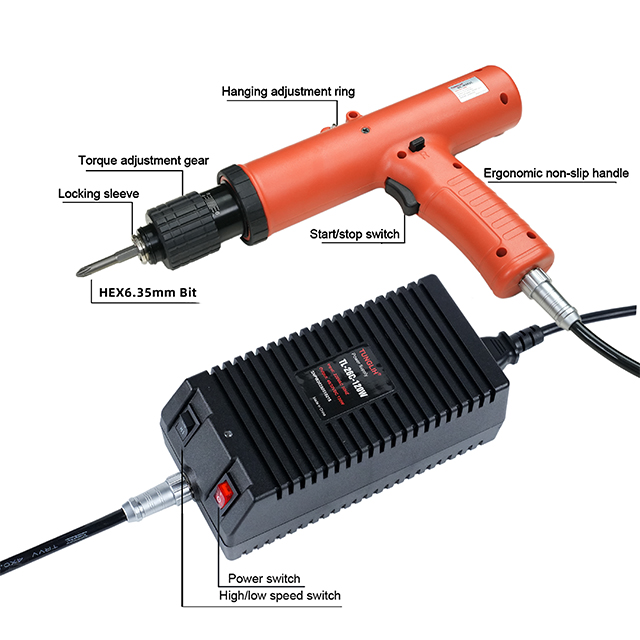
At the heart of the pneumatic gun's functionality is compressed air, which is delivered to the tool via a hose connected to an air compressor. This air powers the motor within the gun, providing the energy needed to drive its mechanisms, such as rotating a spindle or activating a screwdriver bit.
The pneumatic gun’s ability to convert compressed air into mechanical energy is what allows it to perform tasks that typically require high torque or precision, such as drilling into hard surfaces or fastening components in electronic assembly. Its reliability and power make it ideal for industrial environments that require continuous operation.
The air motor inside a pneumatic gun converts the compressed air into mechanical energy. This energy is then used to rotate a spindle or a screw-driving component, depending on the specific task. The motor can be configured to operate at varying speeds and torque levels, allowing for precise control over the job.
For example, some pneumatic screwdrivers feature multiple speed settings, enabling operators to select the best torque level for different materials or tasks. The ability to adjust torque ensures that the pneumatic gun can be used across a wide range of applications, from light tasks like electronics assembly to more demanding jobs like automotive repair.
One of the significant benefits of pneumatic guns is their energy efficiency. They rely on compressed air rather than electricity, which eliminates the need for electrical outlets or batteries. This makes pneumatic guns ideal for environments where electrical power is either not available or impractical.
In addition, they tend to require less maintenance compared to electric tools. Pneumatic guns generally have fewer moving parts, which reduces the chances of wear and tear, ensuring long-lasting, reliable performance across many applications.
Pneumatic guns are designed to last, even under harsh conditions. They are generally more durable than their electric counterparts because they have fewer components that can fail. Many models feature corrosion-resistant housing, which helps protect the tool from the wear and tear associated with industrial environments.
For example, certain pneumatic screwdrivers are housed in corrosion-resistant aluminum, making them durable enough to withstand challenging workshop conditions, such as exposure to moisture and dust. This durability is especially valuable in environments like manufacturing floors, where equipment needs to withstand heavy use.
Compared to electric tools, pneumatic guns are often lighter and easier to handle, making them ideal for tasks that require precision and prolonged use. Their ergonomic design, often featuring a vibration-dampened grip, ensures comfort, reducing fatigue for operators working with these tools for long periods.
The convenience of a lightweight design, combined with the ergonomic features, allows for high efficiency and ease of use, even in confined spaces or complex fastening tasks.
In industrial settings, pneumatic guns are frequently used for fastening, assembling, and material handling. Their power and precision make them essential in sectors like automotive repair and electronics assembly, where consistent performance is necessary for mass production lines.
For example, pneumatic screwdrivers, which allow for multi-speed torque adjustments with up to ±3% accuracy, offer precision in fastening parts for automotive and electronics manufacturing. This ability to fine-tune torque ensures consistent results in complex tasks, improving overall production quality and efficiency.
Pneumatic guns are essential in automotive repair, where tools need to provide high torque and fast operation. Pneumatic guns are used to tighten bolts, fasten components, and assemble parts in automotive manufacturing lines. Their speed and precision are critical in ensuring that parts are securely fastened and ready for the next stage of production.
In automotive repair shops, a pneumatic screwdriver's ease of use and high torque capabilities are indispensable for tasks that require quick yet secure fastenings. The ability to choose between different modes, like straight-press and 90-degree angled configurations, also makes these tools adaptable to various vehicle components.
Pneumatic guns are commonly used in industrial environments for cleaning and blowing operations. Their high-speed air output allows them to quickly clear debris, dust, or contaminants from machinery, parts, or assembly lines.
The blowing action of pneumatic guns is particularly useful in applications like electronics assembly, where removing dust from sensitive components is crucial. Their ability to deliver a high volume of air makes pneumatic guns a powerful tool in cleaning machinery or drying parts in manufacturing processes.
Industry | Application | Key Benefit |
Industrial Manufacturing | Fastening, assembling, material handling | Precision and power for mass production |
Automotive Repair | Tightening bolts, fastening components | High torque for precision |
Cleaning and Blowing | Cleaning debris, drying parts | High-speed air for effective cleaning |
When selecting a pneumatic gun, it’s crucial to match the tool to the specific task it will perform. For heavy-duty applications such as automotive assembly, you need a gun with higher torque capabilities to tighten bolts securely. For lighter tasks, such as precision assembly or detailed work, a tool with adjustable speed settings allows for more control and minimizes the risk of over-tightening or damaging delicate components. Always choose a pneumatic gun based on the required power and control needed for the job at hand.
Environmental factors play a key role in determining the appropriate pneumatic gun for your needs. For example, high-humidity environments or areas exposed to chemicals can affect the performance and lifespan of the tool. In these conditions, selecting a pneumatic gun made from corrosion-resistant materials is essential to ensure reliable operation and longevity. Additionally, extreme temperatures can influence the efficiency of the tool, so make sure the gun you choose can withstand the specific environmental conditions it will be used in.
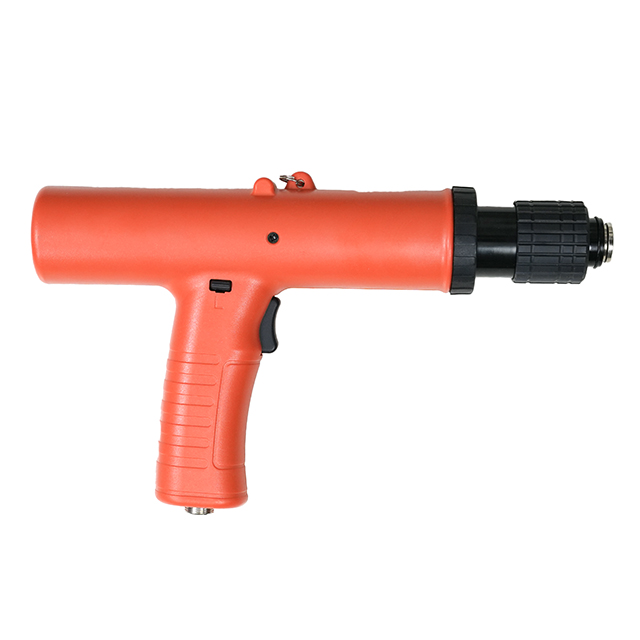
Pneumatic screwdrivers are one of the most commonly used pneumatic guns in various industries. They are ideal for fastening and assembling components due to their adjustable torque settings. This versatility makes them suitable for applications ranging from automotive repair to electronics assembly. Their ability to adjust torque ensures that screws are tightened to the optimal level, preventing over-tightening or damaging the material.
Pneumatic drills are designed for drilling into tough materials such as metal or concrete. They offer high power and fast operation, making them essential for tasks that demand precision drilling in manufacturing environments. The high-speed rotation and consistent power make pneumatic drills a reliable option for industrial applications that require durable and precise drilling.
Pneumatic air guns are primarily used for cleaning and clearing debris. These tools work by blowing high-pressure air, which helps remove dust, dirt, and contaminants from surfaces and machinery. Pneumatic air guns are essential for maintaining cleanliness and preventing the buildup of dust or debris that could impact the operation of machinery or assembly lines in industrial settings. They are widely used for drying parts or cleaning machinery in manufacturing facilities.
Feature | Pneumatic Screwdrivers | Pneumatic Drills |
Primary Use | Driving screws and bolts | Drilling holes |
Torque Range | Medium to high | High torque for tougher materials |
Speed | High speed | Moderate speed |
Weight | Lightweight | Slightly heavier |
Maintenance | Low maintenance | Regular checks needed for drill bits |
Routine maintenance is essential for maintaining the optimal performance of pneumatic guns. Regularly inspect the tool for any signs of wear, including damage to the hose, trigger, or motor. Lubricating moving parts reduces friction, minimizes wear, and prevents breakdowns. Keeping the tool properly lubricated ensures its longevity and consistent performance, ultimately saving costs on repairs and replacements.
After each use, it’s important to clean the pneumatic gun to remove dust, debris, or any contaminants that may have accumulated during operation. Regular cleaning prevents these particles from interfering with the tool’s performance. Additionally, store the tool in a cool, dry place to prevent rust and damage from moisture. Proper storage will ensure that the pneumatic gun remains in good working condition for extended periods, ready for the next task.
Pneumatic guns are essential tools in various industries, known for their efficiency, precision, and durability. Whether used for fastening, cleaning, or drilling, they provide reliable performance in industrial settings. Choosing the right pneumatic gun and maintaining it properly helps businesses boost productivity, reduce downtime, and achieve long-term results. TUNGLIH offers high-quality pneumatic tools designed to meet the demands of diverse industrial applications.
A: A pneumatic gun is an air-powered tool used for tasks like fastening, cleaning, and drilling. It operates using compressed air instead of electricity.
A: Pneumatic guns use compressed air to power a motor, converting air pressure into mechanical energy to perform various tasks, such as tightening screws or drilling holes.
A: Pneumatic guns are more energy-efficient, lighter, and require less maintenance. They are ideal for environments where electricity may be unavailable or hazardous.
A: Pneumatic guns provide high power, durability, and efficiency. They help reduce downtime and improve productivity in industries like manufacturing, automotive repair, and electronics assembly.