T: +86-13302905061
E: sales@dongli2006.com
E: sales@dongli2006.com
Building 101, No.5 Rixing Street, Pingdong Community, Pingdi Street, Longgang District, Shenzhen, Guangdong, China.
Views: 0 Author: Site Editor Publish Time: 2025-09-09 Origin: Site


Compressed air systems often lose over 80% of input energy as heat.
It’s best to use compressed air for processes that truly require it.
Dongli’s Pneumatic Screwdriver is a great example, as it operates exclusively on compressed air.
Pneumatic tools get power from compressed air. This makes them safe to use in wet places. They are also safe in areas with things that can catch fire.
A compressor is needed to make compressed air. It also sends the air to pneumatic tools. Pick the right size compressor for best results.
You should take care of pneumatic tools often. Check hoses for leaks and add oil to moving parts. This helps the tools last longer and work better.
Pneumatic tools are lighter than electric tools. They also stay cooler when you use them. This means you get less tired and feel more comfortable.
Using pneumatic tools can help lower carbon emissions. They also make less waste. This makes them a good choice for the environment.
Pneumatic tools use compressed air for power. This type of energy helps them work in many jobs. Compressed air stores energy that makes the tools run. You do not need electricity to use these tools. This makes them safer in places where electricity is risky. For example, Dongli’s pneumatic screwdrivers use compressed air. They give strong and steady results.
Compressed air moves through hoses and fittings to the tools. The pressure stays steady, so you get the same results each time. Many pneumatic tools need certain pressure levels to work right. Check the table below for the best pressure ranges for different tools:
Tool Type | Recommended Pressure (PSI) | Maximum Pressure (PSI) |
|---|---|---|
Impact Wrenches | 90 to 100 | Up to 150 |
Ratchets | 70 to 90 | Manufacturer max PSI |
Sanders | 70 to 90 | 50 (for control) |
General Tools | 70 to 100 | Up to 150 |
Most pneumatic tools work best with air between 70 and 100 PSI. This range gives you good power and performance.
A compressor is needed to make compressed air for your tools. It pulls in air from around you and squeezes it to raise the pressure. The compressor keeps the air in tanks, so you always have some ready. When you use your tools, the compressor sends out air at the right pressure.
The size of the compressor affects how well your tools work.
The compressor’s size decides how much air your tools get.
If there is not enough air, your tools may lose power or stop.
If there is enough air, your tools work smoothly and do not stop.
You get steady results because the compressor gives a constant supply of air. This setup lets you use your tools for a long time without needing electricity. You can work safely and get the job done in tough places.
You rely on air to make pneumatic tools work. The process starts with the compressor. The compressor takes in air from the environment and squeezes it to create compressed air. This air travels through hoses and fittings until it reaches your tools. The delivery system must keep the air pressure steady. If the pressure drops, your pneumatic tools lose power and may not work well.
Let’s look at how air moves from the compressor to the tool:
Compressed air enters the tool through an inlet valve.
Air pressure drives a motor or piston mechanism inside the tool.
The mechanical energy from the moving parts powers the tool’s action.
Exhaust air leaves the tool through vents.
You need to check the hoses and connections often. Leaks can waste air and lower the power of your pneumatic tools. Clean hoses help keep the air flow strong. If you use Dongli’s Pneumatic Screwdriver, you will notice how smooth the air delivery feels. The compressor gives a steady supply, so you get reliable results every time.
Tip: Always match the compressor size to your tools. A small compressor may not deliver enough air, which can reduce the power and efficiency of your pneumatic tools.
Inside every pneumatic tool, you find a system that turns air pressure into movement. When compressed air enters the tool, it pushes against a piston or spins a small motor. This action creates mechanical energy. The tool uses this energy to drive screws, turn bolts, or sand surfaces.
You control the speed and torque by adjusting the air pressure. For example, Dongli’s Pneumatic Screwdriver lets you change the torque setting. You get precise results because the air pressure stays consistent. The internal parts, like pistons and gears, work together to use the air efficiently.
Most pneumatic tools have vents to release exhaust air. This keeps the tool cool and prevents pressure build-up. You will notice that pneumatic tools run cooler than electric tools. The air moving through the tool helps remove heat.
You should keep the internal parts clean and well-oiled. Dirt can block the air flow and reduce the power. Regular maintenance helps your pneumatic tools last longer and work better.
Note: Pneumatic tools use air as their main source of power. The compressor, hoses, and internal mechanisms all play a role in making sure your tools work smoothly and efficiently.
You need a compressor to run pneumatic tools. The compressor takes air from the environment and squeezes it to create compressed air. This compressed air gives power to your tools. You connect the air compressor to your pneumatic tools using hoses. The compressor stores air in a tank and releases it when you use your tools. You can choose different sizes of compressors based on the types of pneumatic tools you use. Large compressors work well for heavy-duty jobs. Small compressors fit light tasks. You must check the compressor often to make sure it works safely. Keep the compressor clean and dry. Lubricate moving parts to prevent tool burnout. Always follow the recommended pressure settings for your tools.
Hoses and fittings carry air from the compressor to your pneumatic tools. You need strong hoses to keep the air pressure steady. Cracks or leaks in hoses can lower the power of your tools. Inspect hoses for damage before each use. Replace hoses that show signs of wear. Fittings connect hoses to your tools and compressor. Tight fittings prevent air leaks. You should use hoses that match the pressure rating of your pneumatic tools. Store hoses properly to avoid kinks and dust. Clean hoses help keep air flowing smoothly. Good hoses and fittings make your tools work better and last longer.
Tip: Regularly check hoses and fittings for cracks, kinks, and leaks. This helps maintain proper pressure and tool performance.
Regulators control the pressure of air going into your pneumatic tools. You set the regulator to match the needs of each tool. Too much pressure can damage tools. Too little pressure can reduce power. Filters clean the air before it reaches your tools. Dust and moisture in air can harm pneumatic tools. Use filters to remove dirt and water from compressed air. Clean filters often to keep air pure. Regulators and filters help your tools run smoothly and last longer. You should train all workers to use and maintain these parts correctly.
Safety tips for using pneumatic tools:
Lubricate tools with air tool oil to prevent burnout.
Inspect hoses for damage before each use.
Keep pressure at recommended levels.
Store tools in a safe place.
Train workers on proper use and maintenance.
You need all these key components to get the best results from your pneumatic tools. The compressor, hoses, fittings, regulators, and filters work together to deliver air and power. You can use common types of pneumatic tools in many jobs when you keep these parts in good condition.
Pneumatic tools have many benefits over electric tools. They use air for power. You connect them to a compressor. The compressor gives steady air pressure. This helps the tools work well in tough places. Pneumatic tools can run for a long time. They do not get too hot. You do not need batteries for these tools. This means you do not have to throw away batteries or worry about dangerous waste.
Pneumatic tools are lighter than electric tools. They are easier to hold and use. The air system keeps the tools cool. This makes your hands less tired. You can use these tools where electricity is not safe. This keeps you and your team safer. Pneumatic tools let you control them well. You can change the air pressure to set speed and torque. Dongli’s pneumatic screwdriver lets you pick the right torque for each job.
These tools are better for the environment. They make less carbon emissions than electric tools. Electric tools often use energy that cannot be replaced. Pneumatic tools are quieter. They do not make as much noise. They last longer, so you do not have to buy new ones often. This means less waste. Studies show pneumatic tools lower carbon emissions more than gasoline tools. This helps fight climate change.
Lower carbon emissions
No battery disposal
Energy efficiency in factories
Replace tools less often
Less noise
Tip: Always use safety gear and follow safety rules when you use pneumatic tools.
There are some downsides to pneumatic tools. You need a compressor for them to work. You must set up hoses and fittings for air. This setup takes up space. It can make it hard to move around. You need to check the air supply often. If the compressor stops, your tools will not work.
You must take care of pneumatic tools. Clean the filters and oil the moving parts. This keeps the air flowing well. Check hoses for leaks to keep power and safety. Some tools need a certain air pressure to work right. You must use the right size compressor for your tools.
Pneumatic and electric tools have different safety needs. Pneumatic tools can be loud. They may blow out air fast. You should wear safety gear to protect your ears and skin. Train workers to use pneumatic tools safely.
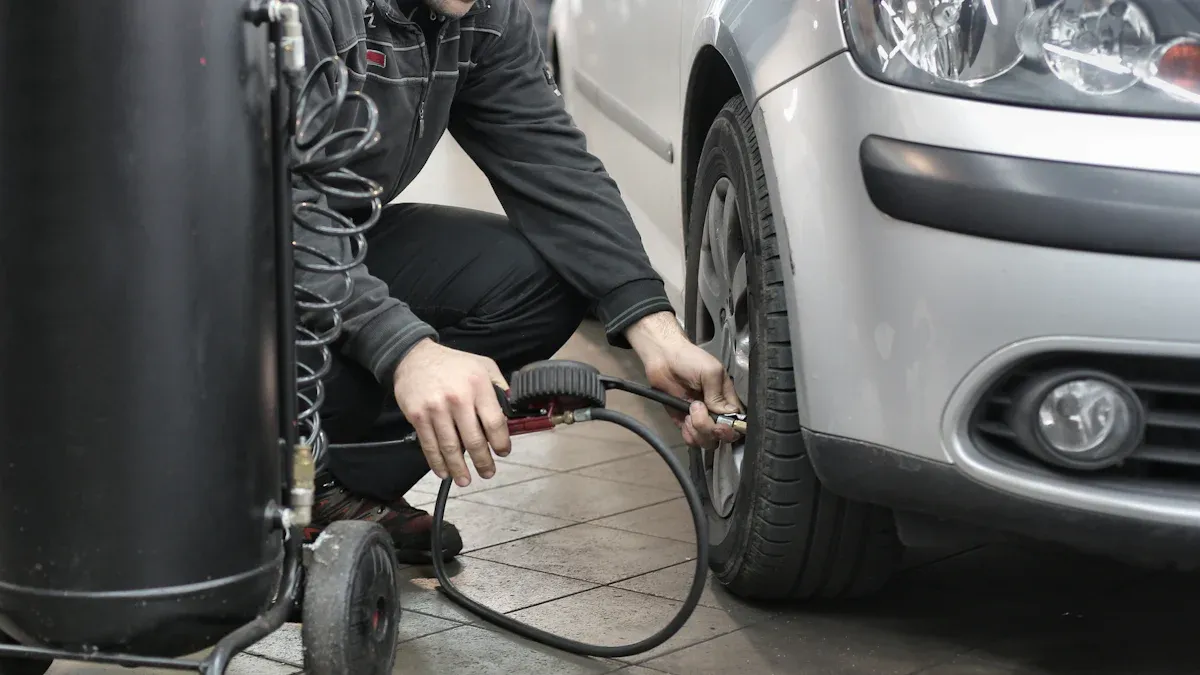
Pneumatic tools are used in many industries. They use air to give strong and steady power. You see them in car repair, electronics, woodworking, and factories. These tools help with fastening, sanding, grinding, painting, and cutting. They let you finish jobs faster and with less effort. You do not need batteries or cords. Compressed air gives you reliable results.
Here is a table that shows how pneumatic tools help in factories:
Benefit | Description |
|---|---|
Reduced physical strain | Pneumatic tools use compressed air, so workers do not get as tired. |
Lightweight and ergonomic | These tools are lighter than electric ones, so they are easier to hold and use. |
Simplified operation | Simple designs mean you learn to use them quickly. |
Increased power and speed | They work fast and have strong force, so you finish jobs quickly. |
Consistent performance | They keep the same power and speed, so you get good results every time. |
Reduced downtime and maintenance | Fewer parts mean they break less often and are easier to take care of. |
Improved quality | You can control them well, so your work looks better. |
Enhanced safety | Less tired workers means a safer workplace. |
Increased profitability | Factories save money because these tools work well and last longer. |
You can find air-powered tools for many jobs. Pneumatic wrenches, drills, sanders, and paint sprayers all use air to work. These tools are good for tough jobs and hard places.
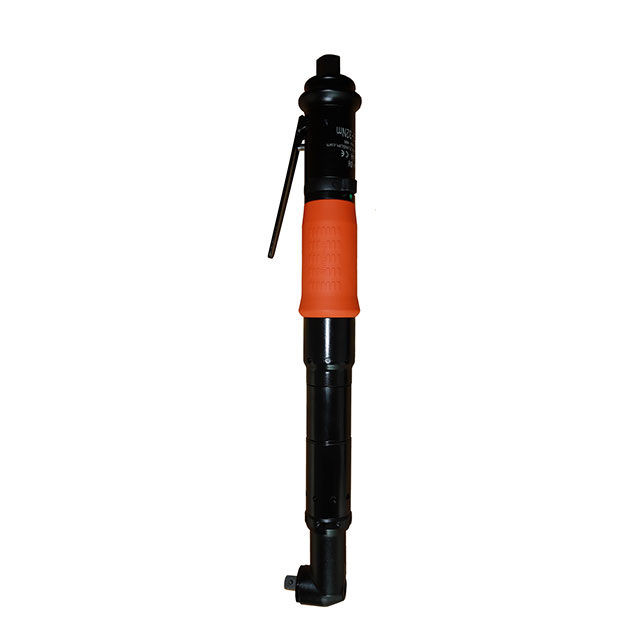
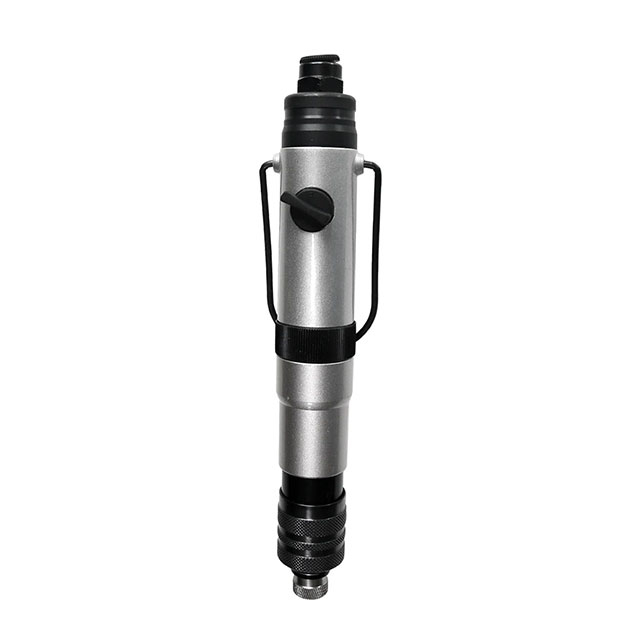
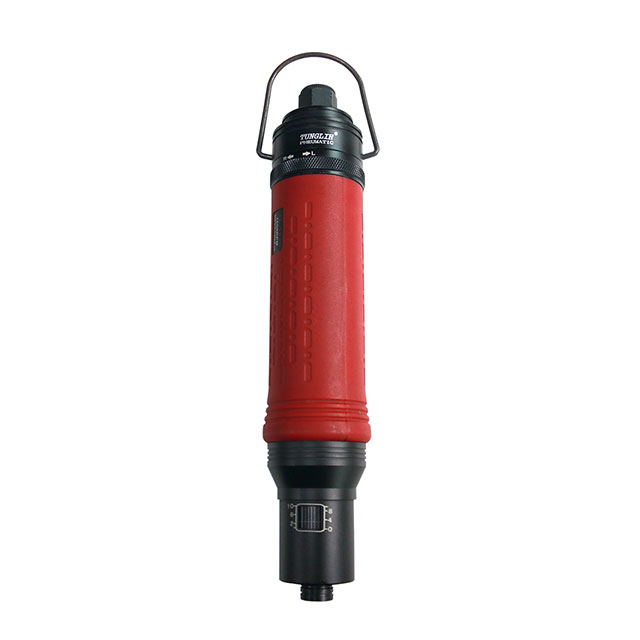
Dongli’s Pneumatic Screwdriver is good for many factory jobs. It uses compressed air to give steady power. You can change the torque to fit each job. The tool is accurate within three percent, so you get the right results.
You can use it in straight, vertical, or angled ways. This helps you work in small spaces and on tricky jobs. The grip is made to be comfortable and stops your hand from getting tired. The tool is light, so you can use it for a long time.
Dongli’s Pneumatic Screwdriver is made from aluminum that does not rust. It lasts longer in tough places. It has ISO 9001 quality and a one-year warranty, so you feel safe using it. This tool does not need batteries, so it is better for the environment.
New ideas make pneumatic tools even better. Some are more energy efficient and have parts you can change. Some use new materials to stay light and strong. IoT features let you check how the tool is working and when to fix it. These changes help you work faster and safer.
Tip: Pick pneumatic tools when you need speed, accuracy, and steady results. You save time and feel less tired with air-powered tools.
You use compressed air to power pneumatic tools. The compressor holds air and sends it to your tools. This gives your tools steady power. It also keeps you safe in places where electricity is dangerous. Pneumatic tools work well in hard places and do not need much fixing. Dongli’s Pneumatic Screwdriver is a good example. It uses air to give you accurate and comfortable work. When picking tools, think about your air supply, what the job needs, and safety. Look at the main benefits below:
Advantage | Description |
|---|---|
No risk of electric shock | Air tools do not use electricity, so you will not get shocked in wet or flammable places. |
High performance in harsh environments | Pneumatic tools do not get bothered by dust or heat. This makes them good for tough factory jobs. |
Ease of servicing | Air tools can work longer before they need fixing, compared to electric tools. |
You should clean your pneumatic tools after every use. Always check hoses to see if there are leaks. Add oil to the moving parts to keep them working. Change old or broken fittings when needed. Taking care of your tools helps them last longer and work better.
Most pneumatic tools work best with air pressure from 70 to 100 PSI. Always look at your tool’s manual for the right number. Using the correct pressure keeps your tool safe and strong.
You can use pneumatic tools even if there is no electricity. The compressor can run on electricity or gas. The tools only use compressed air to work. This makes them safe in places where electricity could be dangerous.
You get exact torque control and a grip that feels good. There are three ways to use the tool. It is made from aluminum that does not rust. You can work safely and feel comfortable. Dongli’s Pneumatic Screwdriver works for many factory jobs.
You do not have to worry about electric shock with pneumatic tools. You can use them in wet or flammable places. You still need to wear safety gear. Always follow safety rules to stay safe.