T: +86-13302905061
E: sales@dongli2006.com
E: sales@dongli2006.com
Building 101, No.5 Rixing Street, Pingdong Community, Pingdi Street, Longgang District, Shenzhen, Guangdong, China.
Views: 0 Author: Site Editor Publish Time: 2025-09-09 Origin: Site


DIY projects for home decor, like furniture and cabinets
Making wall art and home decorations
Roofing with pneumatic nailers for quick shingle work
Smoothing surfaces with pneumatic sanders and grinders
Pneumatic tools get power from compressed air. They work quickly and help with building and fixing things.
You should always check how much air your pneumatic tools need. This helps them work right and stops them from breaking.
You need to take care of pneumatic tools often. This means oiling and cleaning them. It keeps them working well and safe for you.
Pneumatic tools are light and easy to carry. But they need an air compressor to work. This can make it hard to use them far away.
Safety is very important when you use pneumatic tools. You should wear safety gear every time. Always look for leaks before you start working.
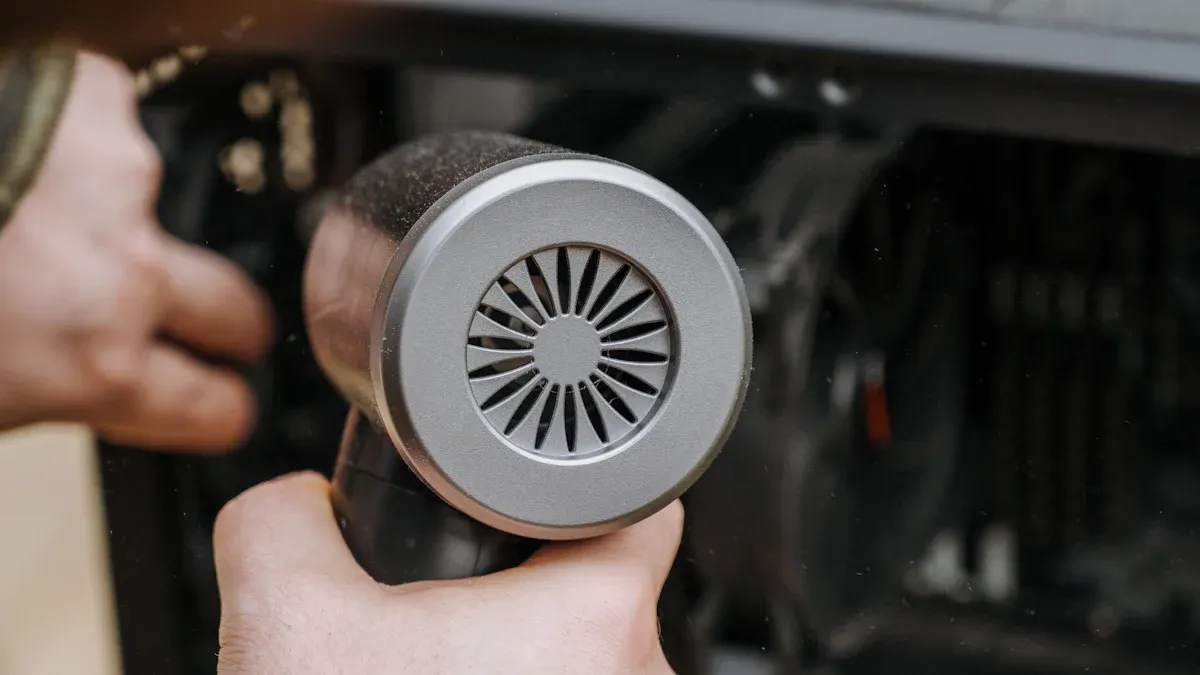
Pneumatic tools use compressed air as their main power source. You connect the tool to an air compressor. The compressor pushes air into the tool at high pressure. This air moves parts inside the tool, making it work fast and strong. For example, when you pull the trigger on a pneumatic nail gun, compressed air drives the nail into wood in one quick motion.
Tip: Compressed air gives you steady power. You do not need to worry about batteries running out or cords getting tangled.
Each pneumatic tool needs a certain amount of air to work well. You measure this air in cubic feet per minute (CFM) and pounds per square inch (PSI). You can find these numbers in the tool’s manual or on its label. If you use a tool that needs more air than your compressor can give, the tool may not work right. Some tools, like impact wrenches, need high CFM and PSI. Others, like airbrushes, need less.
Here is a simple table to help you see the difference:
Tool Type | Typical CFM | Typical PSI |
|---|---|---|
Air Ratchet | 3-5 | 90-100 |
Nail Gun | 2-4 | 70-120 |
Airbrush | 0.5-1.5 | 20-50 |
Impact Wrench | 4-7 | 90-100 |
Note: Always check your pneumatic tool’s air requirements before you start. This helps you avoid damage and keeps your work safe.
You need to set up your pneumatic tools the right way for them to work well. First, connect the air compressor to a power source. Next, attach the air hose to the compressor and then to your tool. Make sure all connections are tight. Turn on the compressor and let it build up pressure. Set the pressure to match your tool’s needs. Some tools have a regulator to help you control the air flow.
Check for air leaks by listening for hissing sounds.
Use safety gear like goggles and gloves.
Drain water from the compressor tank after use to prevent rust.
Setting up your pneumatic tools the right way helps them last longer and keeps you safe.
You can find many air-driven tools for different jobs. Each tool uses compressed air to make work easier and faster. Here are some of the most popular pneumatic tools you might use:
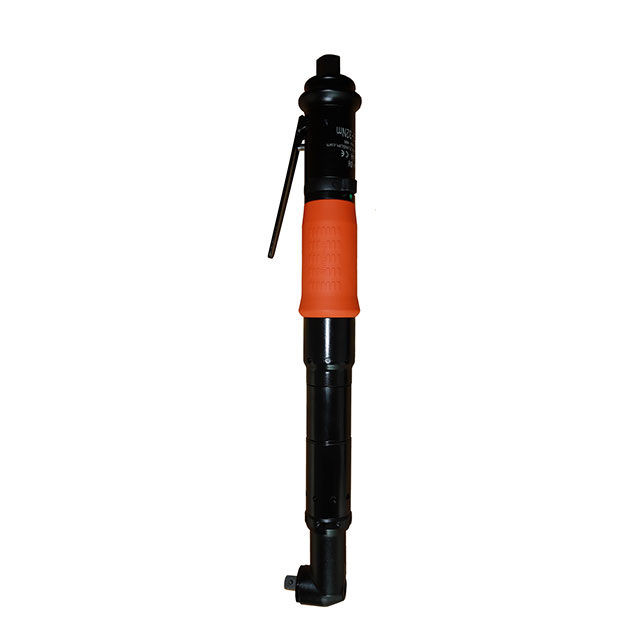
Air Ratchet: This tool helps you tighten or loosen bolts quickly. You often use it in car repair shops.
Nail Gun: You use this tool to drive nails into wood or other materials. It works well for building furniture or fixing roofs.
Impact Wrench: This air-driven tool gives you strong twisting power. You use it to remove stubborn nuts and bolts.
Air Hammer: You use this tool to chip, cut, or shape metal and stone. It helps with demolition and auto body work.
Airbrush: This tool sprays paint or color in a fine mist. You use it for art, crafts, or car detailing.
Angle Grinder: You use this tool to cut, grind, or polish metal and stone. It works well for construction and metalwork.
Backfill Tamper: This pneumatic tool packs soil or gravel tightly. You use it for landscaping and roadwork.
Many new air-driven tools now have modular designs. You can change parts to fit your needs. Some tools use wireless technology for easier control. Ergonomic handles help you work longer without getting tired. Advanced materials make tools lighter and stronger. Some pneumatic tools even use smart sensors for safety and maintenance.
You can use pneumatic tools in many places. They help you finish tasks faster and with less effort.
Application Area | Common Air-Driven Tools | Typical Tasks |
|---|---|---|
Automotive | Air ratchet, impact wrench, air hammer | Tire changes, engine repair, bodywork |
Construction | Nail gun, angle grinder, backfill tamper | Framing, roofing, cutting, packing soil |
Home Projects | Airbrush, nail gun, angle grinder | Painting, building furniture, sanding |
You might use air-driven tools to fix your car, build a deck, or create art. Many pneumatic tools now use energy-efficient motors and safer designs. Some even run on batteries for more mobility. You can find air-driven tools for both big jobs and small tasks at home.
You get strong and steady power when you use pneumatic tools. These tools work fast because compressed air moves parts quickly. You finish jobs like tightening bolts or driving nails much faster than with manual tools. Pneumatic tools help you save time and energy. You do not need to wait for batteries to charge. You can keep working as long as your air compressor runs. Many people choose pneumatic tools for big projects because they make work easier and more efficient.
Using pneumatic tools can help you complete tasks with less effort. You can focus on doing your job well instead of struggling with heavy or slow tools.
Pneumatic tools last a long time if you take care of them. They have fewer moving parts than electric tools. This means less wear and tear. You need to check your tools often and keep them clean. Regular inspection and maintenance help prevent accidents and keep your tools working safely. You should use protection like gloves and steel-toed boots to avoid injuries. Many workplaces use warning signs and shields to improve safety.
Always wear eye protection when using pneumatic tools.
Use head and face protection if you work with tools that create flying debris.
Clean and oil your tools to keep them in good shape.
You can move pneumatic tools easily around your shop or garage. They are lighter than many electric tools. You can carry them from one job to another without much trouble. However, you need an air compressor to power them. This makes them less suitable for remote or outdoor job sites. Hand tools are more portable because they do not need electricity or compressed air.
Tool Type | Portability | Power Source Dependency | Suitability for Remote Sites |
|---|---|---|---|
Pneumatic Tools | Low | Requires compressors | Less suitable |
Hand Tools | High | Independent | Highly suitable |
Hand tools are lightweight and compact. You can use them anywhere, even in tight spaces.
Pneumatic tools work best where you have access to an air compressor.
Tip: Choose pneumatic tools for jobs that need speed and power. Use hand tools when you need to work in places without power or compressed air.
You must use an air compressor to power pneumatic tools. This adds extra cost and space to your workspace. The compressor can be heavy and hard to move. You need to check if your compressor matches the air requirements of each pneumatic tool. If the air pressure drops below a certain level, you will notice a big change in speed and force. Some pneumatic tools work poorly under low pressure, especially when the pressure falls below 0.8MPa. You may need to stop working and wait for the compressor to build up pressure again.
Always check your compressor before starting work. This helps you avoid sudden stops and keeps your tools working well.
Pneumatic tools can be very loud. The air compressor makes noise while running, and the tools themselves add more sound. High noise levels can cause discomfort and even hearing loss if you do not use ear protection. Many users install mufflers to reduce the noise, but some sounds still get through. You should always think about safety and protect your ears when using pneumatic tools.
Tool Type | Noise Level | Need for Muffler |
|---|---|---|
Nail Gun | High | Yes |
Impact Wrench | High | Yes |
Air Ratchet | Medium | Optional |
Tip: Use earplugs or earmuffs to lower the dangers of loud noise in your workspace.
You need to take care of pneumatic tools to keep them working well. The air used in these tools does not contain oil, so you must add lubrication often. Without proper lubrication, parts can wear out quickly. You should clean your tools after each use and check for leaks or damage. Regular maintenance helps you avoid breakdowns and keeps your workspace safe. If you ignore maintenance, you may face dangers like tool failure or accidents.
Lubricate moving parts before and after use.
Inspect hoses and connections for leaks.
Drain water from the compressor tank to prevent rust.
Good maintenance habits protect your tools and improve safety for everyone.
Pneumatic tools work with many different attachments and accessories. Most of these tools connect to a regular air hose. You do not need special adapters for most jobs. You can switch tools fast if you use the same air compressor. This helps you work faster and keeps your area organized. Many pneumatic tools fit with different hoses, fittings, and regulators. You can pick the size and style that fits your project best.
Tip: Always make sure your tool and accessories fit together before you start. This helps stop leaks and keeps your setup safe.
Here is a table that shows how some pneumatic tools fit with common accessories:
Tool Type | Hose Size | Fitting Type | Regulator Needed |
|---|---|---|---|
Nail Gun | 1/4" | Quick-connect | Optional |
Impact Wrench | 3/8" | Quick-connect | Yes |
Airbrush | 1/8" | Threaded | Yes |
You can use one compressor for many tools if you match the air needs. This saves you money and space in your shop.
You can use pneumatic tools for home or work projects. If you like DIY, you might use a nail gun or airbrush to finish tasks faster. You can build furniture, paint, or fix your car with these tools. People who work in construction or car repair use pneumatic tools for big jobs. These tools give strong power and steady results.
Home users like pneumatic tools because they are light and easy to use.
Professionals pick them for speed and dependability.
Safety is important for everyone. Always wear goggles and gloves when using pneumatic tools. Check your air compressor before each use to stay safe.
You can find pneumatic tools at many stores. You can choose the best tool for your job, at home or at work. Pneumatic tools give you more options and control for many tasks.
You pick pneumatic tools when you need strong power and quick work. These tools use an air compressor to run. They help you finish jobs faster than other tools. You get speed, long-lasting use, and easy handling. But you should also think about noise, care, and safety. Both homeowners and workers use pneumatic tools for many tasks. Nail guns, impact wrenches, and air ratchets are common types. Always check your compressor and make sure the tool matches your job.
You get strong power and fast results. Pneumatic tools help you finish jobs quickly. You do not need to wait for batteries to charge. You can use them for many tasks at home or work.
You only need one air compressor for most pneumatic tools. You can connect different tools to the same compressor if you match the air needs. This saves you money and space.
You can use pneumatic tools safely if you follow instructions. Always wear goggles and gloves. Check for leaks before you start. Read the manual for each tool. Ask for help if you feel unsure.
You should clean your tools after each use. Lubricate moving parts often. Drain water from the compressor tank. Check hoses and connections for leaks. Good care helps your tools last longer.