T: +86-13302905061
E: sales@dongli2006.com
E: sales@dongli2006.com
Building 101, No.5 Rixing Street, Pingdong Community, Pingdi Street, Longgang District, Shenzhen, Guangdong, China.
Views: 0 Author: Site Editor Publish Time: 2025-09-09 Origin: Site


Works well for a long time
Lasts through tough jobs
Gives steady power for hard work
These things make pneumatic tools a good pick for tough jobs.
Pneumatic tools use compressed air from an air compressor. This gives steady and strong power for hard jobs. Regular care is very important for pneumatic tools. Clean and check them often to make sure they work well. This also helps them last longer. Pick the right air compressor by matching its cfm and PSI to your pneumatic tools. This helps them work their best. Pneumatic tools are strong and work fast. They are great for building, fixing cars, and workshop jobs. can be used in special cases. These are used when safety and cleanliness matter most, like in labs or food plants.
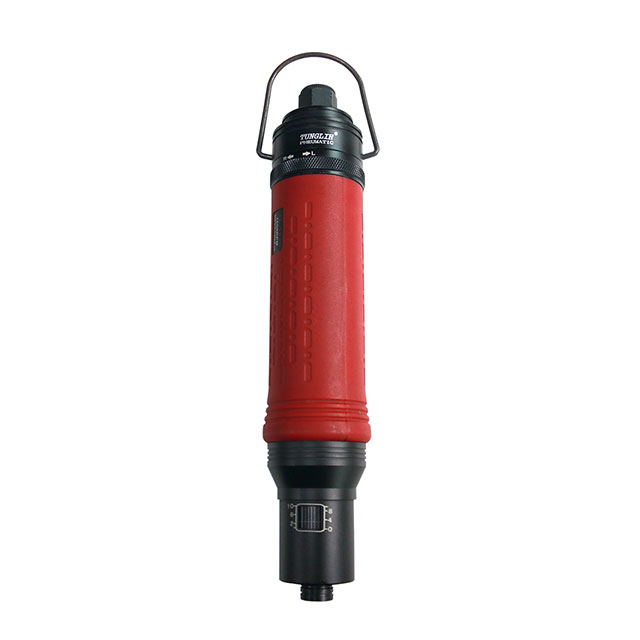
Most pneumatic tools run on compressed air. This air gets squeezed into a small space. The pressure builds up inside. When you hook up your air tools, the force moves tool parts. This lets you drill, cut, or fasten things easily. Many businesses use compressed air because it is simple and cheap. It also works well and does not break often. You see pneumatic systems in factories, workshops, and building sites. These systems move cylinders, motors, and machine parts. For example, compressed air powers fabrication tools, packing machines, paint sprayers, and robot arms. Top brands like TUNGLIH make air screwdrivers, rivet guns, and air scissors. All these tools need good compressed air. Clean and dry air helps your pneumatic tools last longer and work better.
You need an air compressor to make compressed air. The compressor pulls in air from outside. It squeezes the air to make it high pressure. The air goes into a tank and waits until you need it. When you turn on your air tools, the compressor sends pressurized air through hoses. This steady air keeps your tools working hard. Big air compressors are important for tough jobs. Brands like TUNGLIH use these machines for their pneumatic tools. If you want your air impact wrench to work well, match the compressor’s power to your tool.
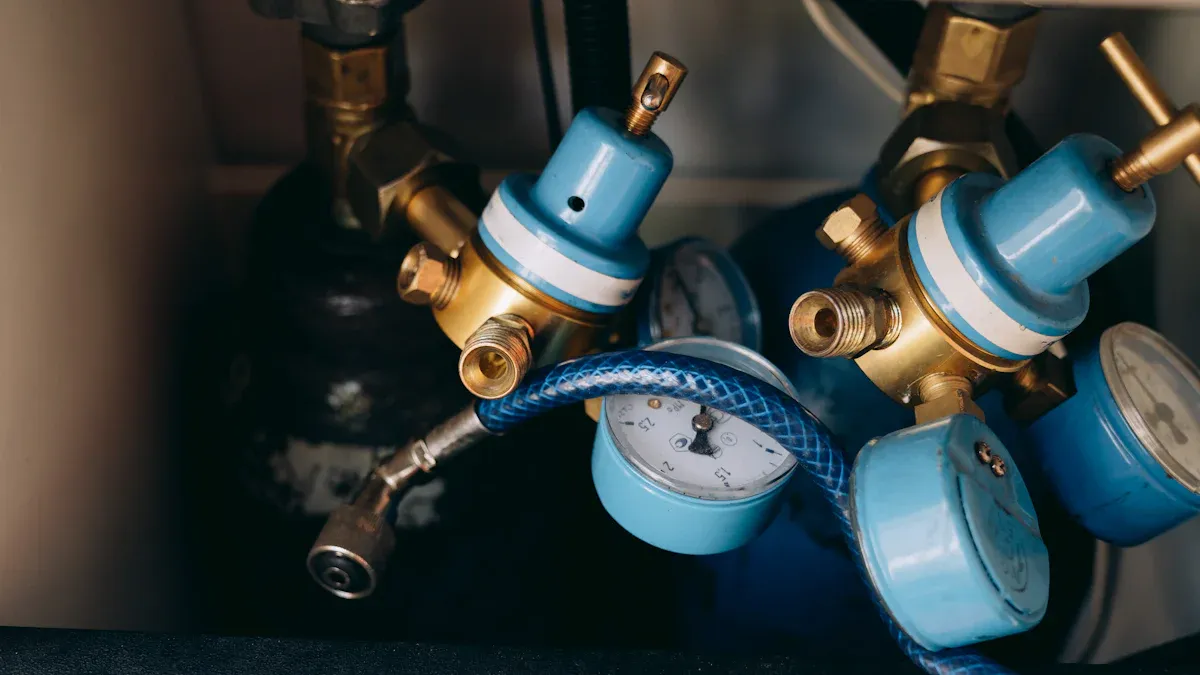
Most pneumatic tools use compressed air, but sometimes you need something else. In special cases, you use compressed like nitrogen. These gases do not react with other things. They are good for places where safety or cleanliness matters. For example, labs or food plants use . This stops contamination and keeps equipment safe. You do not use for normal jobs. But they help in special places.
You see pneumatic tools everywhere on construction sites. These air tools help you finish jobs faster and with less effort. Common choices include:
Nail guns drive nails quickly into wood or other materials. You use pneumatic nail guns for framing, roofing, and finishing work.
Jackhammers break concrete and rock. You pick these for demolition tasks.
Concrete vibrators make sure poured concrete stays strong and solid.
Air-powered drills give you the torque needed for drilling holes in tough surfaces.
Pneumatic tools in construction offer high torque and speed. You get more power for heavy-duty tasks. Electric tools give you more precision and quieter operation. You need to check which tool fits your job best.
Tip: Pneumatic tools often need more maintenance than electric ones. You should clean and check them often to keep them working well.
You use pneumatic tools in auto shops for repairs and maintenance. These tools help you work faster and save money. Popular choices include:
Impact wrenches loosen and tighten bolts quickly.
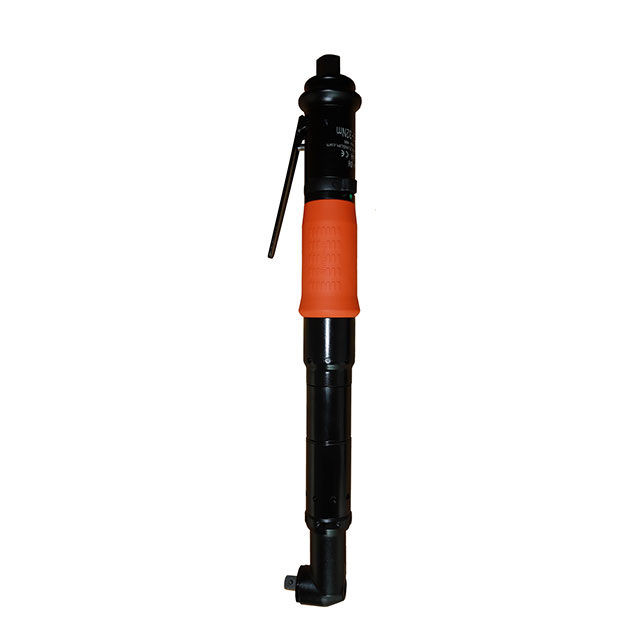
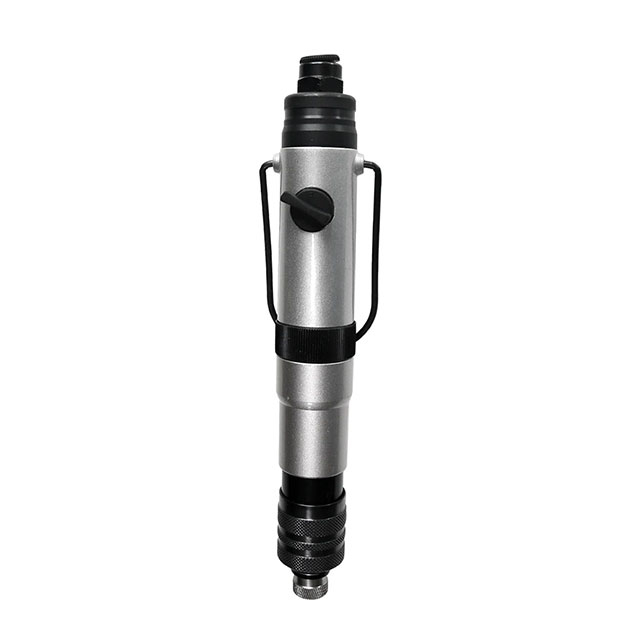
Pneumatic screwdrivers help you remove or install screws with speed.
Air ratchets make it easy to reach tight spaces.
Air hammers help you shape or cut metal parts.
Pneumatic automotive tools give you speed and high productivity. You spend less money on these tools than on hydraulic or electric ones. The simple design means you fix problems easily and keep your tools running longer.
You find many pneumatic tools in workshops and factories. These air tools help you complete different tasks. Here are some key examples:
Air compressor powers all your pneumatic tools.
Air impact wrench helps you loosen tough bolts.
Air drill lets you make holes in metal or wood.
Air sander smooths surfaces quickly.
Air nailer or stapler fastens materials together.
Air spray gun applies paint or coatings.
Air ratchet works well in tight spots.
Air hammer shapes or cuts metal.
Air grinder removes excess material.
Air blow gun cleans dust and debris.
You use these pneumatic tools every day in workshops. Each tool helps you finish jobs faster and with less effort. You get reliable performance and save time.
You need the right air compressor to power your pneumatic tools. The most important specs are cfm, PSI, and tank size. Cfm stands for cubic feet per minute. This number shows how much air the compressor can deliver. You must check the cfm requirements for each tool. Some air tools need more air than others. For example, an impact wrench uses more air tool consumption than a small air drill. If your compressor does not meet the cfm requirements, your tools will not work well. PSI means pounds per square inch. This tells you how much pressure the compressor can make. Most pneumatic tools need between 70 and 120 PSI. Tank size affects how long you can use your tools before the compressor needs to refill. Bigger tanks help with jobs that need steady air tool consumption. Always match your air compressor specs to your tool requirements.
Tip: Always check the cfm requirements and air tool consumption before buying a compressor. This helps you avoid problems during work.
You need strong hoses and fittings for high-pressure pneumatic tool applications. Nylon hoses work best for high-pressure jobs. They resist fuels, oils, and abrasion. Nylon also handles heat and chemicals better than polyurethane hoses. If you want more flexibility and durability, try PCL’s SuperFlex hose. This hose uses a special PVC nitrile grade. It is twice as strong as regular flexible PVC. You lose less air flow with this hose, so your tools get steady power.
Nylon hoses: Best for high-pressure, tough environments
PCL’s SuperFlex hose: High flexibility, strong, minimal air flow loss
Choose fittings that match your hose and tool requirements. Good fittings prevent leaks and keep air tool consumption steady.
You must follow safety rules when setting up and using pneumatic tools. Always check hoses and fittings for damage before you start. Make sure your air compressor is in good shape. Use safety goggles and gloves to protect yourself. Never point air tools at anyone. Keep your workspace clean to avoid accidents. Watch your air tool consumption and compressor requirements to prevent overheating or pressure loss.
Note: Regular checks and safe habits help you avoid injuries and keep your pneumatic tools working longer.
You get many benefits when you use pneumatic tools. These tools work well for long periods. You do not need to stop often because they do not overheat. This means you can finish big jobs without waiting for your tools to cool down. You save time and keep your work moving. Pneumatic tools help you avoid long breaks and keep your team busy.
You can use pneumatic tools for extended periods without overheating.
You spend less time waiting for tools to cool down, so you get more work done.
You see fewer interruptions and lower repair costs.
You enjoy greater reliability and higher productivity.
Pneumatic tools also offer strong power and fast operation. You can handle tough jobs in construction, auto repair, or workshops. These tools last longer when you take care of them. You need to clean and check them often, but they do not break easily. Many workers choose pneumatic tools because they help them work faster and safer.
You may wonder about costs. Here is a simple table that shows how pneumatic tools compare to power tools:
Aspect | Pneumatic Tools | Power Tools |
|---|---|---|
Initial Costs | Higher due to compressor and hoses | Lower initial cost |
Long-Term Costs | Generally lower for frequent use | Higher long-term costs for frequent use |
Maintenance Needs | Requires regular maintenance for air leaks | Requires less maintenance overall |
You need to think about some limits before you choose pneumatic tools. You must have an air compressor. This machine costs more at first and takes up space. You need hoses and fittings to connect your tools. These parts can leak air if you do not check them often. Pneumatic tools need regular care to work well.
Portability can be a problem. You cannot move pneumatic tools as easily as battery-powered tools. You must stay close to your compressor and hoses. This setup works best in shops or factories, not in places where you need to move around a lot.
Note: Always check your compressor and hoses before you start work. This helps you avoid problems and keeps your tools running smoothly.
You power pneumatic tools with compressed air from an air compressor. You need to match your tools to the right compressor specs for safe and efficient work. When you choose your setup, check these points:
Pneumatic tools give you strong power and light weight.
You need an air compressor, which can limit portability.
These tools make more noise, so use hearing protection.
Regular maintenance keeps your tools safe and working well.
Compatible equipment helps prevent malfunctions and accidents.
Weigh these pros and cons before you invest in pneumatic tools.
You get strong power and long run time. Pneumatic tools work well for tough jobs. You can use them for many tasks in workshops, construction, or auto repair.
You should check your air power needs first. Look at the cfm and PSI ratings for each tool. Pick a compressor that matches or exceeds these numbers for best results.
Air pressure controls how well your tools work. If you use low air pressure, your tools may not perform as expected. Always check the recommended PSI for each tool before you start.
You can use pneumatic tools outside, but you need to bring your compressor and hoses. These tools work best in places with easy access to power and air supply.