T: +86-13302905061
E: sales@dongli2006.com
E: sales@dongli2006.com
Building 101, No.5 Rixing Street, Pingdong Community, Pingdi Street, Longgang District, Shenzhen, Guangdong, China.
Views: 0 Author: Site Editor Publish Time: 2025-12-19 Origin: Site


Pneumatic guns, powered by compressed air, are indispensable in many industries. These tools offer precision, speed, and safety, making them ideal for various applications. But what exactly does a pneumatic gun do, and why are they so widely used?
In this article, we’ll explore the workings of pneumatic guns, their advantages, and how to choose the right one for your needs. You’ll also learn how products like those from TUNGLIH provide reliable, high-performance solutions for your operations.
A pneumatic gun, often referred to as an air tool, is powered by compressed air supplied by an air compressor. Unlike electric or battery-operated tools, pneumatic guns rely on this air pressure to drive mechanical components like motors and gears, enabling them to perform tasks such as tightening, loosening, or drilling screws and fasteners. These tools are found in almost every industrial and commercial setting due to their durability and ease of maintenance.
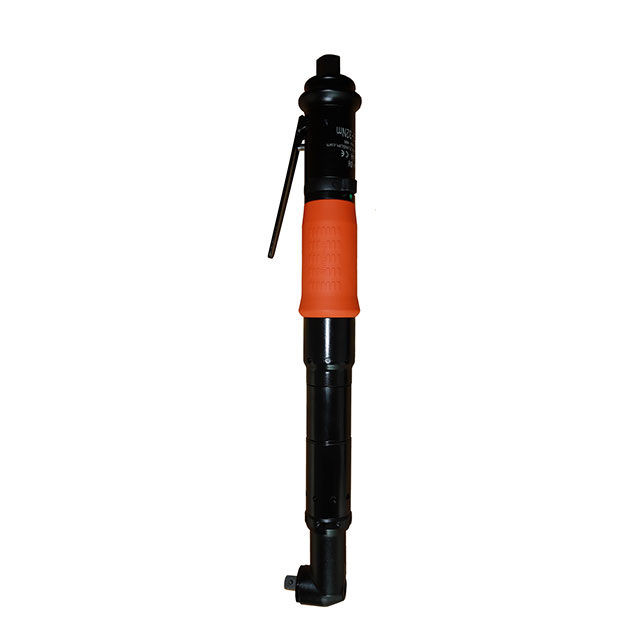
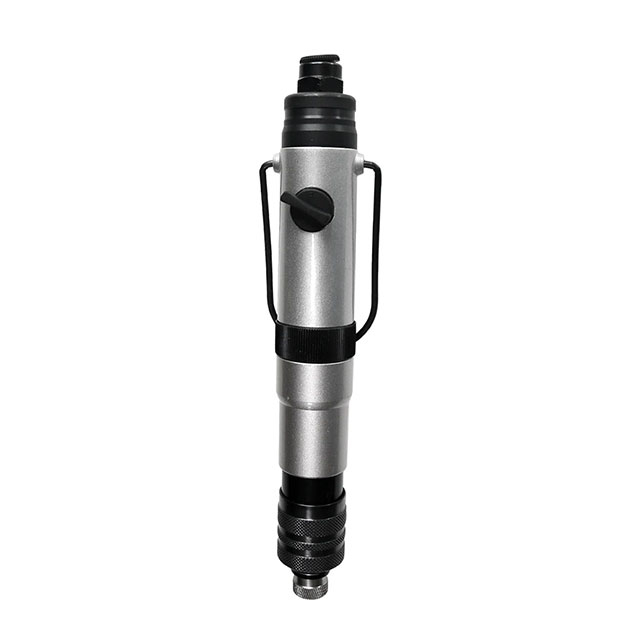
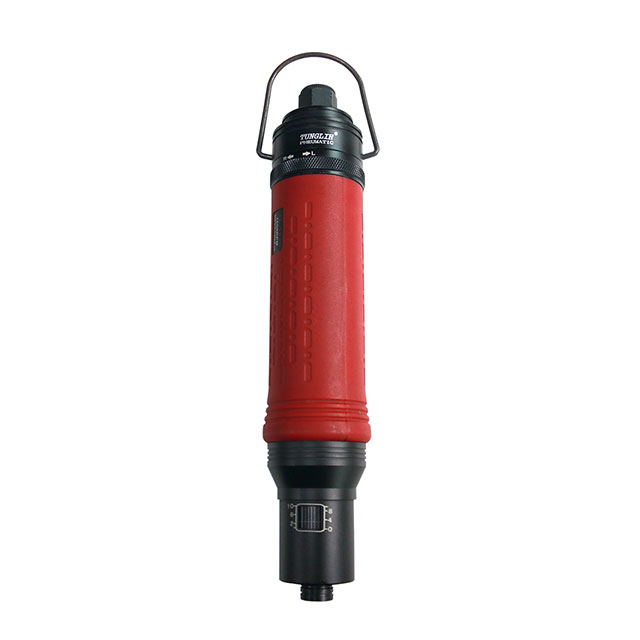
Pneumatic guns come in various forms depending on the task they are designed for. The most common types include:
● Pneumatic screwdrivers: Used for fastening screws with adjustable torque settings.
● Pneumatic impact wrenches: Designed for high-torque tasks such as loosening bolts in automotive or construction applications.
● Pneumatic nail guns: Commonly used in carpentry for driving nails quickly and efficiently.
Each tool is specialized for different tasks, offering flexibility and precision where manual or electric tools may fall short.
Pneumatic Gun Type | Application | Typical Use Case |
Pneumatic Screwdriver | Tightening and loosening screws | Automotive assembly, electronic manufacturing |
Pneumatic Impact Wrench | High torque tasks such as loosening bolts | Automotive repair, heavy construction, mining |
Pneumatic Nail Gun | Driving nails into wood, metal, or other materials | Carpentry, roofing, and woodworking |
Pneumatic Drill | Drilling holes in materials like metal or wood | Construction, manufacturing, and plumbing |
A pneumatic gun typically consists of several key components:
● Air compressor: Provides the compressed air that powers the tool.
● Motor: Converts the air pressure into mechanical energy to drive the tool.
● Nozzle or bit holder: Holds the tool’s bit, which interacts with the fastener or workpiece.
The combination of these elements ensures that pneumatic guns deliver a high power-to-weight ratio, making them ideal for both portability and high-performance tasks.
The working principle of a pneumatic gun is straightforward. Compressed air is released into the motor, causing it to spin. This rotational force is transmitted through the mechanism, which drives the bit or nozzle to perform the required task—whether tightening a screw or drilling a hole. The pressure and flow of air can be adjusted depending on the task, allowing for fine control over power and speed.
Compressed air acts as a reliable and energy-efficient power source for pneumatic tools. Air pressure provides continuous force without the need for external electrical power, making these tools useful in remote locations or hazardous environments where electricity might not be accessible. Additionally, pneumatic guns are typically lighter than their electric counterparts, offering better portability and ease of use.
Pneumatic guns are known for their speed and efficiency. Since they don’t rely on electrical batteries or complex mechanical systems, they can operate at higher speeds without the risk of overheating. This makes them particularly valuable in assembly lines where high-volume production and consistent performance are required. The speed at which they can tighten or loosen screws is a significant advantage in time-sensitive tasks.
One of the standout features of pneumatic guns is their lightweight design. Powered by compressed air, these tools are generally easier to handle than electric tools, which can be bulkier and heavier. This is especially important for workers who use these tools for extended periods. Pneumatic guns are often designed with ergonomics in mind, helping reduce strain and fatigue during use.
Pneumatic guns are highly energy-efficient. Unlike electric tools, which consume energy from batteries or power outlets, pneumatic guns draw power directly from compressed air. This means they are typically more energy-efficient, especially in industrial settings where air compressors are already in use. Additionally, pneumatic tools tend to have a longer lifespan due to fewer moving parts, reducing the frequency of replacements and repairs.
Pneumatic tools are intrinsically safe, making them ideal for use in environments where electricity could be a hazard. In industries dealing with flammable materials or explosive gases, pneumatic guns are often the preferred choice because they don’t generate sparks, thus minimizing the risk of ignition. The absence of electrical components also eliminates the potential for electric shock.
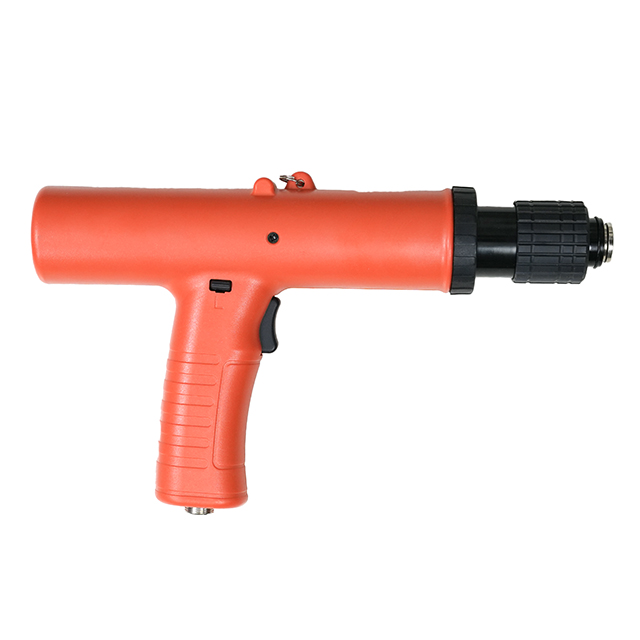
Pneumatic guns are widely used in manufacturing and assembly lines, particularly in automotive, electronics, and appliance production. These tools can quickly and precisely tighten screws, which is crucial for maintaining the speed and consistency of production. For example, pneumatic screwdrivers are used to fasten components in the automotive assembly process, ensuring that every screw is tightened to the correct torque specification.
In the construction industry, pneumatic tools like impact wrenches and nail guns are indispensable. Pneumatic impact wrenches provide the necessary torque to loosen or tighten large bolts and nuts, while pneumatic nail guns make it possible to drive nails quickly into wood or steel, saving time and labor costs.
Pneumatic guns are also used in woodworking, aerospace, and shipbuilding, where precision and high power are required. In these fields, the reliability and versatility of pneumatic tools ensure that tasks are completed quickly and to a high standard.
Pneumatic guns come with adjustable torque settings, allowing users to fine-tune the power applied to fasteners. This feature is particularly important in assembly operations where consistent torque is critical. By adjusting the air pressure or utilizing specialized clutch systems, pneumatic guns can deliver the exact torque needed for different materials and tasks.
Pneumatic Gun Type | Torque Range | Common Application |
Pneumatic Screwdriver | 5-50 Nm | Assembly lines, high-precision screw fastening |
Pneumatic Impact Wrench | 100-2000 Nm | Automotive and heavy-duty mechanical tasks |
Pneumatic Nail Gun | 1-3 Nm | Carpentry and construction for nails and staples |
Pneumatic Drill | 10-40 Nm | Drilling tasks in woodworking and metalworking |
Many pneumatic guns offer speed control, enabling users to adjust the rate at which the tool operates. For high-torque tasks, a slower speed ensures precision, while faster speeds are ideal for tasks that require quick, repetitive action. This flexibility makes pneumatic guns suitable for a wide variety of applications.
Pneumatic guns are available in different grip types, including pistol grips and inline grips. The choice of grip affects both comfort and performance. For example, a pistol grip is ideal for tasks that require precision and control, while an inline grip might be better for tasks that involve repetitive movements, as it reduces wrist strain.
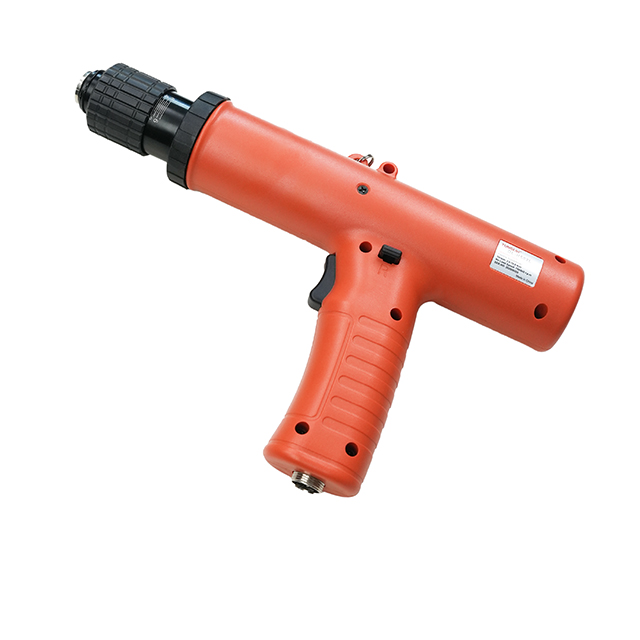
When selecting a pneumatic gun, it’s essential to consider the specific needs of your application. For tasks requiring high torque, such as automotive assembly, choose a pneumatic impact wrench. For precision work, a pneumatic screwdriver with adjustable torque settings is the best choice. Additionally, ensure that the tool’s speed and ergonomics are suitable for the task at hand.
Pneumatic guns are known for their durability and ease of maintenance. However, regular maintenance is necessary to keep them in optimal working condition. This includes oiling moving parts and ensuring that the air supply system is functioning correctly. Choosing tools that require minimal maintenance can save both time and money in the long run.
While pneumatic tools can be more expensive initially due to the need for air compressors and accessories, they are often more cost-effective in the long term. Their longevity, energy efficiency, and reduced maintenance needs can result in lower operational costs compared to electric tools.
A pneumatic gun requires a consistent and adequate supply of compressed air. This means that the tools are dependent on an air compressor, which can add to the initial setup cost. Additionally, the air supply lines must be properly maintained to avoid any disruptions in the tool’s performance.
Pneumatic guns can produce significant noise, particularly in high-torque applications. Using ear protection and investing in quieter models can mitigate this issue. Additionally, the need for an air supply hose can limit flexibility in some tasks, making it essential to carefully plan the setup in your workspace.
Compared to electric screwdrivers, pneumatic guns generally offer more torque and faster speeds. However, electric guns are more portable and don’t require an external air supply. Deciding between the two depends on the specific requirements of your operation.
Feature | Pneumatic Guns | Electric Guns |
Power Source | Compressed air | Electric battery or outlet |
Torque | Higher torque output | Typically lower torque |
Speed | Faster, especially in high-volume tasks | Slower, depending on battery and motor |
Portability | Requires air compressor, less portable | More portable due to built-in power source |
Maintenance | Lower maintenance costs, fewer moving parts | Higher maintenance and more parts to replace |
Safety | Safer in hazardous environments (no electric shock) | Potential electrical hazards, especially in wet areas |
Pneumatic guns are essential tools across various industries, offering efficiency, safety, and versatility. They outperform electric tools in power, speed, and precision. Whether used in manufacturing, construction, or delicate tasks, pneumatic guns ensure fast, accurate results. By selecting the right tool, you can enhance productivity and reduce downtime. Products from TUNGLIH provide reliable, high-performance solutions that add value to your operations.
A: A pneumatic gun uses compressed air to perform tasks like tightening or loosening screws and bolts. It is widely used in industries such as automotive, construction, and manufacturing for its speed, power, and precision.
A: Pneumatic screwdrivers use compressed air to operate, offering higher torque and speed compared to electric screwdrivers. They are lighter and safer for use in hazardous environments, but require an air compressor for operation.
A: Pneumatic guns provide more power, speed, and durability compared to electric tools. They are ideal for high-volume tasks and precision work, reducing downtime and improving productivity in assembly lines.
A: Pneumatic guns generally have low maintenance costs. They require less frequent repairs and are more energy-efficient than electric tools. Proper installation and regular maintenance can keep them running smoothly for years.