T: +86-13302905061
E: sales@dongli2006.com
E: sales@dongli2006.com
Building 101, No.5 Rixing Street, Pingdong Community, Pingdi Street, Longgang District, Shenzhen, Guangdong, China.
Views: 0 Author: Site Editor Publish Time: 2025-12-19 Origin: Site


Pneumatic tools are widely used in many industries for their power and efficiency. But where are they used, and why are they so important?
In this article, we’ll explore where pneumatic tools are used and how they benefit various sectors. You'll also learn how products from companies like TUNGLIH provide valuable solutions for increased productivity.
Pneumatic tools such as air ratchets, impact wrenches, and air hammers are indispensable in automotive repair shops. These tools provide high torque and speed, making tasks like tire changes, engine repairs, and disassembly much faster and more efficient. Pneumatic tools are ideal for automotive workshops, as they perform well under rigorous conditions, reducing operator strain and improving overall productivity. Their lightweight design and powerful performance allow technicians to work more effectively, even on long shifts.
In manufacturing, pneumatic tools are used extensively on assembly lines for tasks like riveting, drilling, and fastening. Tools such as pneumatic drills and screwdrivers enable precision and speed, which are crucial in high-volume production environments. The consistent power output of pneumatic tools ensures they can handle repetitive tasks efficiently, reducing downtime. These tools also help maintain uniform quality standards across large-scale production, making them a staple in various manufacturing industries.
The construction industry heavily relies on pneumatic tools for various tasks, including demolition, surface preparation, and material shaping. Pneumatic drills, jackhammers, and air chisels are commonly used for breaking concrete, removing rust, and cutting through tough materials. These tools excel in challenging environments, offering reliable performance where other tools might struggle. The ability to operate continuously without overheating makes pneumatic tools an excellent choice in construction, where conditions can be demanding and time-sensitive.
Pneumatic tools have significantly impacted the woodworking and furniture manufacturing sectors. Tools like pneumatic nail guns, sanders, and staplers are commonly used for assembling furniture and preparing surfaces. These tools increase the speed and accuracy of tasks while reducing physical strain on workers. The lightweight nature of pneumatic tools allows operators to work for extended hours without fatigue, making them highly efficient in production environments. By improving work efficiency and precision, pneumatic tools help meet the growing demand for high-quality, mass-produced furniture.
Pneumatic Tool | Primary Use | Industry/Application |
Pneumatic Impact Wrench | Tightening/loosening bolts and nuts | Automotive repair, construction |
Pneumatic Drill | Drilling holes in materials like wood, metal, plastics | Manufacturing, construction, automotive |
Pneumatic Sanders/Grinders | Surface finishing, material removal | Automotive repair, woodworking, manufacturing |
Air Ratchet | Tightening/loosening bolts in tight spaces | Automotive repair, assembly lines |
Pneumatic Paint Sprayer | Painting large surfaces efficiently | Automotive refinishing, construction |
Pneumatic tools play a crucial role in the aerospace industry, where precision is key. These tools are commonly used for tasks such as drilling, riveting, and assembling aircraft components. The high power-to-weight ratio of pneumatic tools allows them to perform efficiently in tight spaces, which is essential for aircraft assembly. Additionally, pneumatic tools provide the necessary torque for tasks that require strict tolerances, ensuring the structural integrity and safety of aerospace products.
Pneumatic tools are vital in food processing and packaging industries due to their ability to meet strict hygiene standards. Unlike electric tools, air-powered tools are easier to clean and maintain, making them ideal for environments that require frequent sanitation. Pneumatic tools are widely used for tasks such as portioning, mixing, and packaging food products, where precision and cleanliness are crucial to maintaining product quality and meeting regulatory standards.
In the medical device manufacturing industry, pneumatic tools are used for tasks like micro-drilling, assembly, and polishing of medical components. These tools offer the precision and control required for producing components with tight tolerances, ensuring the accuracy and reliability of medical devices. Pneumatic tools also help maintain the sterility of the manufacturing environment, which is critical to avoid contamination and adhere to stringent health and safety standards in the medical field.
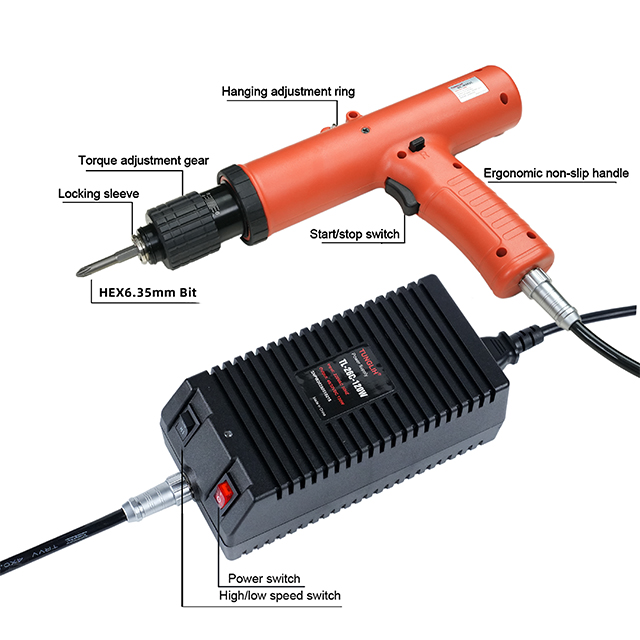
Pneumatic tools enhance operational efficiency by providing high power and speed. They help workers complete tasks much faster than manual tools, reducing downtime and improving overall productivity. This efficiency is particularly important in high-demand industries such as manufacturing, automotive repair, and construction, where quick turnaround times and minimal downtime are essential for maintaining profitability.
Pneumatic tools are designed to offer superior control and precision, especially compared to manual or electric tools. Their ergonomic design reduces physical strain on workers, which is particularly important for tasks that involve repetitive movements. Furthermore, the absence of electrical components reduces the risk of sparks or electric hazards, making pneumatic tools safer to use in hazardous environments like construction sites, aerospace, and food processing plants. These tools also ensure consistent results, leading to higher-quality work.
One of the key benefits of pneumatic tools is their durability and low maintenance requirements. With fewer moving parts compared to electric tools, pneumatic tools tend to have a longer lifespan and require less frequent repairs. This makes them a cost-effective investment for businesses, as the long-term costs of repairs and replacements are significantly lower. Additionally, their reliable performance in harsh conditions and extended usage periods helps businesses reduce operational costs over time, leading to greater efficiency and lower overall expenses.
Feature | Pneumatic Tools | Electric Tools |
Power Source | Compressed air | Electricity |
Torque | High torque, suitable for heavy-duty tasks | Varies, typically lower torque |
Speed | Higher speed, continuous power output | Slower speed due to motor limitations |
Portability | Requires external air compressor, less portable | Built-in power, more portable |
Safety | No electrical hazards, ideal for hazardous areas | Risk of electrical hazards in wet or dangerous environments |
As industries continue to evolve, pneumatic tools are becoming increasingly integrated into automation systems. These tools are widely used in automated production lines, where their precision and reliability are critical to improving operational efficiency. The seamless performance of pneumatic tools helps to streamline manufacturing processes, reduce human error, and increase overall production speed.
Pneumatic tools are also being integrated with advanced technologies such as robotics and IoT systems. This integration allows for smarter workflows and real-time monitoring of tool performance. With connected systems, industries can gain better control over tool usage, track maintenance schedules, and monitor air pressure and usage data. This results in reduced downtime, enhanced tool longevity, and further optimization of production processes.
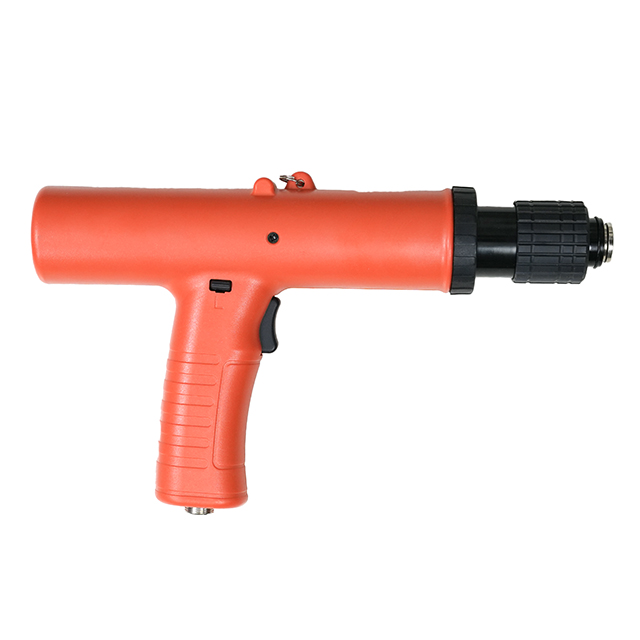
Pneumatic tools are often more energy-efficient compared to their electric counterparts, especially when powered by centralized air compressors. These tools' design minimizes energy consumption, helping businesses achieve sustainability goals while reducing their environmental footprint. The efficiency of pneumatic tools ensures they use air only when needed, reducing waste and contributing to a greener operation.
Since pneumatic tools operate on compressed air rather than electricity, they are significantly safer in environments where electrical hazards may be a concern. This makes them especially useful in industries like construction, chemical plants, or shipyards, where the risk of electrical shock or fire is high. Their use minimizes the chance of accidents, enhancing workplace safety.
Many of the components of pneumatic tools, such as metal casings and internal parts, are recyclable. This makes pneumatic tools a more sustainable option for industries aiming to reduce waste and promote environmentally friendly manufacturing practices. Recycling these parts helps reduce the environmental impact of production and supports a circular economy in tool manufacturing.
Although the initial investment in pneumatic systems can be higher due to the need for an air compressor, these tools are generally more cost-effective over time. Pneumatic tools are known for their durability and minimal maintenance needs. Since they require fewer repairs and have fewer parts that wear out, they can significantly reduce long-term operating costs, making them a cost-efficient choice for businesses.
Pneumatic tools are highly reliable and operate continuously without overheating, which makes them ideal for heavy-duty, long-duration tasks. Their reliability ensures minimal downtime during production or repair work, which ultimately boosts productivity. Pneumatic tools can handle high volumes of repetitive tasks without failure, reducing costly delays and interruptions.
Given their longevity, low maintenance costs, and efficiency, pneumatic tools provide an excellent return on investment (ROI). By reducing downtime, lowering repair costs, and increasing overall productivity, these tools offer significant value to businesses over their lifespan. The cost savings and productivity improvements make pneumatic tools a valuable long-term investment for any industry.
Pneumatic tools play a vital role in industries such as automotive repair, manufacturing, aerospace, and food processing. They enhance efficiency, precision, and safety while ensuring high-quality results. As industries innovate, pneumatic tools will continue to offer valuable solutions, helping businesses increase productivity, reduce costs, and improve operational safety. Products from TUNGLIH provide reliable pneumatic solutions, offering performance and durability for various applications.
A: Pneumatic tools are used in industries like automotive repair, manufacturing, construction, and food processing. They provide power, precision, and speed for various tasks.
A: In automotive repair, pneumatic tools like air ratchets, impact wrenches, and pneumatic drills are commonly used for tasks like tire changes, engine repairs, and disassembly.
A: Pneumatic tools are preferred for their higher power-to-weight ratio, safety in hazardous environments, and the ability to operate continuously without overheating.
A: Pneumatic tools boost efficiency by offering high-speed operation, precision, and reduced downtime. This helps maintain productivity and reduces operator fatigue in assembly lines.