T: +86-13302905061
E: sales@dongli2006.com
E: sales@dongli2006.com
Building 101, No.5 Rixing Street, Pingdong Community, Pingdi Street, Longgang District, Shenzhen, Guangdong, China.
Views: 0 Author: Site Editor Publish Time: 2026-03-24 Origin: Site


Choosing the right screwdriver can be tricky. Pneumatic screwdrivers and electric screwdrivers serve different needs. Which one fits your tasks best?
Screwdrivers are vital in both industrial and DIY projects. Picking the right type affects efficiency and results. Pneumatic screwdrivers use compressed air, while electric ones rely on batteries or power cords.
In this post, you’ll learn the key differences between pneumatic and electric screwdrivers. We’ll explore their advantages and help you decide which tool suits your needs.
When deciding between a pneumatic screwdriver and an electric screwdriver, it’s essential to understand their key differences in power sources, torque control, portability, noise, cost, durability, and application suitability.
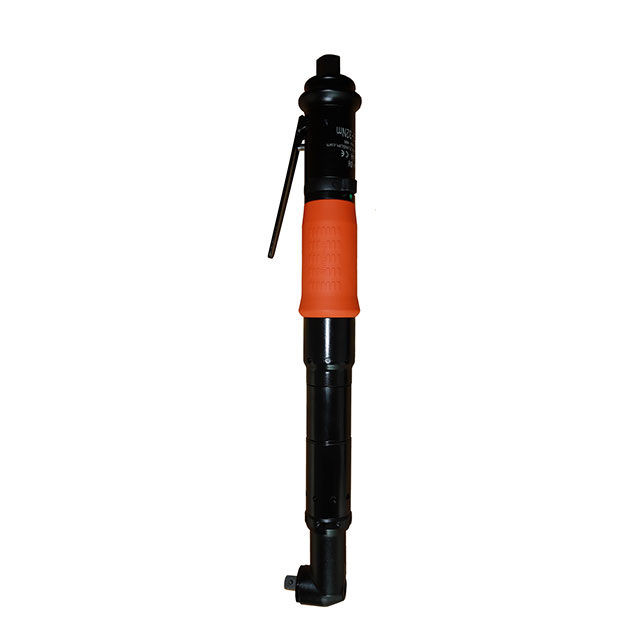
Pneumatic screwdrivers, also called air screwdrivers or pneumatic torque screwdrivers, operate using compressed air from an air compressor. This power source allows for a high power-to-weight ratio and continuous operation, especially suitable for heavy-duty tasks. In contrast, electric screwdrivers rely on electricity, either from a direct power supply or rechargeable batteries, offering convenience and precision without the need for bulky compressors.
Electric screwdrivers excel in torque control, often featuring adjustable torque settings that ensure precise fastening, which is crucial for delicate assembly work. Pneumatic torque screwdrivers typically provide strong torque but less precise control, making them better suited for applications where high torque is needed but exact torque settings are less critical.
Electric screwdrivers, especially cordless models, offer superior portability and ease of use. They are lightweight and do not require hoses or compressors, enabling work in tight or remote spaces. Pneumatic screwdrivers, while lighter in tool weight, depend on an air compressor and hoses, which can limit mobility and increase setup complexity.
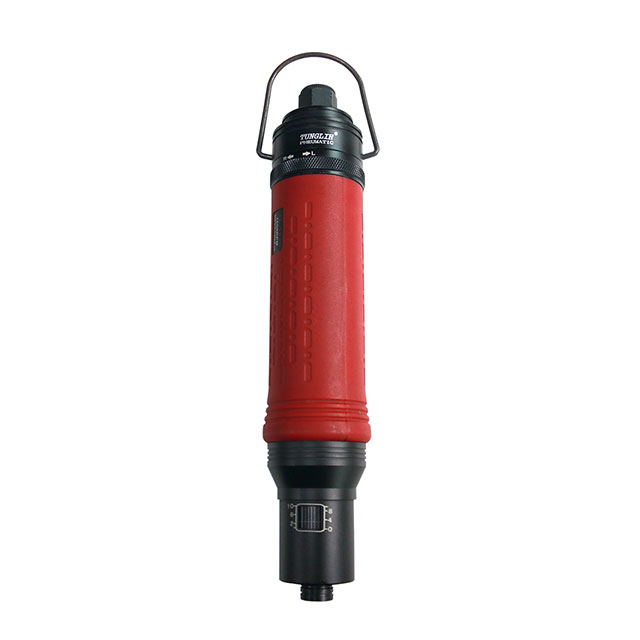
Pneumatic impact screwdrivers and air impact screwdrivers are known for louder operation due to compressed air release and mechanical impact mechanisms. This noise can affect worker comfort and may require hearing protection in some environments. Electric screwdrivers generally operate more quietly, making them preferable for indoor or noise-sensitive workplaces.
The pneumatic screwdriver price is often lower for the tool itself, but the total cost includes an air compressor and associated maintenance. Electric screwdrivers usually have a higher initial purchase price but require less ongoing maintenance and no additional equipment. Maintenance for pneumatic tools involves regular lubrication and compressor upkeep, while electric screwdrivers mainly need battery care and occasional part replacement.
Pneumatic screwdrivers have fewer mechanical parts, enhancing durability and reducing breakdowns under heavy use. They can run continuously with proper maintenance. Electric screwdrivers, while durable, are more sensitive to battery life and motor wear, requiring more frequent servicing in high-use scenarios.
Pneumatic screwdrivers are ideal for industrial settings requiring sustained high torque, such as automotive assembly lines or heavy machinery maintenance. Electric screwdrivers suit precision assembly, electronics, and on-site repairs where portability and torque accuracy are priorities. Choosing between pneumatic vs electric screwdriver pros and cons depends on your specific workflow, workspace, and performance needs.
Pneumatic screwdrivers, also known as air screwdrivers or pneumatic torque screwdrivers, offer several distinct advantages that make them a preferred choice in many industrial settings. Understanding these benefits can help you decide if a pneumatic screwdriver fits your specific needs.
One of the primary advantages of pneumatic screwdrivers is their ability to deliver high torque output. Powered by compressed air, these tools can handle demanding fastening jobs that require significant force. This makes pneumatic torque screwdrivers ideal for applications such as automotive assembly, heavy machinery maintenance, and construction, where robust performance is crucial.
Despite their power, pneumatic screwdrivers are often lighter than electric models because they have fewer mechanical parts and no heavy batteries. Their ergonomic design reduces user fatigue during prolonged use, making them comfortable for operators in fast-paced production lines. The compact size also allows for better maneuverability in tight spaces.
The pneumatic screwdriver price is generally lower than that of electric screwdrivers. While you do need an air compressor, the tool itself tends to be more affordable. For businesses already equipped with compressed air systems, this cost advantage can be significant, lowering the upfront investment in fastening tools.
Pneumatic screwdrivers have a simpler internal mechanism compared to electric screwdrivers. Fewer moving parts mean less wear and tear, resulting in enhanced durability and longer service life. This robustness makes pneumatic tools well-suited for continuous operation in harsh industrial environments.
Because pneumatic screwdrivers do not rely on batteries, they can run continuously as long as compressed air is supplied. This continuous operation capability is vital in assembly lines and manufacturing plants where downtime must be minimized. Regular maintenance, including lubrication and compressor upkeep, ensures optimal performance and longevity.
Electric screwdrivers have become increasingly popular across various industries and DIY projects due to their versatility and user-friendly features. Understanding their advantages helps you decide when an electric screwdriver is the best tool for your tasks.
One of the standout electric screwdriver features is the ability to adjust torque settings. This precision control ensures screws are tightened to exact specifications, which is essential in delicate assemblies like electronics or fine woodworking. Unlike pneumatic torque screwdrivers, which deliver strong but less precise torque, electric screwdrivers allow you to avoid over-tightening or stripping screws, enhancing overall product quality.
Electric screwdrivers often come in cordless versions powered by rechargeable batteries. This cordless design offers excellent portability, freeing users from the constraints of power cords or air hoses. Whether you're working on-site or in tight spaces, cordless electric screwdrivers provide the flexibility to move around without interruption. This mobility advantage is a key benefit over pneumatic screwdrivers, which require connection to an air compressor.
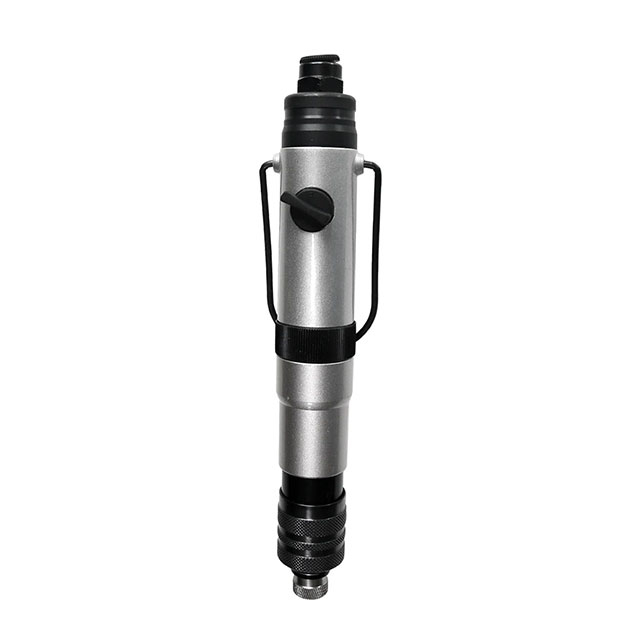
Electric screwdrivers operate more quietly than pneumatic impact screwdrivers or air impact screwdrivers. The absence of compressed air release and mechanical impact noise makes electric models suitable for noise-sensitive environments such as offices, hospitals, or indoor workshops. Reduced noise levels also contribute to improved worker comfort and lower fatigue during prolonged use.
Using an electric screwdriver is straightforward—simply charge the battery or plug it in, and you’re ready to go. There’s no need for additional equipment like air compressors or hoses, which are required for pneumatic screwdrivers. This ease of use reduces setup time and simplifies tool management, especially beneficial for small businesses or individual users.
Electric screwdrivers are widely available in various sizes, torque ranges, and designs to suit diverse applications. From light DIY projects to professional assembly lines, these tools adapt well to different tasks. Their versatility, combined with features like reversible rotation and variable speeds, makes electric screwdrivers a go-to option for many users.
Tip: For tasks requiring precise torque and maximum mobility, choose a cordless electric screwdriver to combine accuracy with convenience and quiet operation.
Choosing between a pneumatic screwdriver and an electric screwdriver often depends on the specific demands of your tasks and work environment. Understanding where each tool excels helps you make an informed decision tailored to your needs.
Pneumatic screwdrivers, also known as air screwdrivers or pneumatic torque screwdrivers, shine in heavy-duty industrial settings. Their high torque output and continuous operation capability make them ideal for assembly lines and manufacturing plants where fastening tasks are repetitive and require sustained power. For example, automotive assembly or heavy machinery maintenance benefits from the consistent strength and durability of pneumatic screwdrivers. Since they operate on compressed air, they avoid overheating during long shifts, supporting nonstop productivity.
Electric screwdrivers, especially cordless models, are perfect for applications demanding precision and mobility. Their adjustable torque settings allow for exact screw tightening, crucial in electronics assembly or delicate woodworking. The cordless design enables technicians to work in tight or remote spaces without being tethered by hoses or cords. For instance, on-site repairs or small-scale installations benefit from the portability and quiet operation of electric screwdrivers. Their ease of use and minimal setup also make them favorites for DIY enthusiasts and small businesses.
The work environment plays a significant role in selecting the right screwdriver. Pneumatic screwdrivers require a reliable compressed air system, which suits well-equipped industrial workshops but may be impractical in fieldwork or locations lacking air compressors. Additionally, pneumatic tools tend to be louder, potentially necessitating hearing protection in noise-sensitive areas. Conversely, electric screwdrivers produce less noise and need only electricity or charged batteries, making them suitable for indoor or noise-restricted environments.
Pneumatic Screwdriver Tasks:
High-volume automotive assembly
Heavy machinery fastening
Construction projects requiring robust torque
Continuous production line fastening
Electric Screwdriver Tasks:
Electronic device assembly
Furniture making and woodworking
On-site maintenance and repairs
Tasks in confined or remote areas without air supply
Selecting the right tool involves balancing torque requirements, precision, mobility, and workspace constraints. Consider these factors carefully to optimize efficiency and tool performance.
When weighing the pneumatic screwdriver price against electric screwdriver costs, it’s important to consider both initial investment and ongoing expenses. Pneumatic screwdrivers themselves often come with a lower purchase price compared to electric models. However, this cost advantage is offset by the need for an air compressor and related equipment such as hoses, filters, and regulators. These add-ons increase the total upfront investment and require space and setup time.
Electric screwdrivers, especially cordless ones, typically have a higher initial purchase price. They come ready to use without additional equipment. This convenience appeals to many users despite the greater upfront cost. Over time, electric screwdrivers usually incur lower maintenance expenses. Battery care, occasional motor servicing, and part replacements are generally simpler and less frequent than pneumatic tool upkeep.
Maintenance for pneumatic screwdrivers involves regular lubrication, air filter changes, and compressor maintenance. The compressed air system can introduce moisture and contaminants that wear down seals and internal parts. This leads to more frequent repairs and downtime if not managed properly. In contrast, electric screwdrivers avoid these issues but require battery management to maintain optimal performance and longevity.
Energy consumption also differs between these tools. Pneumatic screwdrivers depend on compressors that consume significant electricity to generate compressed air, often making them less energy-efficient overall. Electric screwdrivers use electricity directly, and modern cordless models with lithium-ion batteries offer efficient power management, reducing energy waste during operation.
Longevity and repair frequency vary with usage and environment. Pneumatic screwdrivers are known for durability due to fewer mechanical parts and robust design, often lasting longer in heavy-duty industrial settings. Electric screwdrivers, while durable, can experience faster wear on batteries and motors under continuous use, potentially requiring more frequent servicing.
| Aspect | Pneumatic Screwdriver | Electric Screwdriver |
|---|---|---|
| Initial Cost | Lower tool price; higher total cost due to compressor and accessories | Higher tool price; no extra equipment needed |
| Maintenance | Regular lubrication, compressor upkeep, filter replacement | Battery care, occasional motor servicing |
| Energy Efficiency | Less efficient due to compressor energy use | More efficient with direct electricity use |
| Durability | High durability with fewer moving parts | Durable but battery and motor wear possible |
| Repair Frequency | Moderate to high if air system poorly maintained | Moderate, mostly battery-related issues |
Choosing between pneumatic vs electric screwdriver pros and cons in cost and maintenance depends on your operational scale and environment. Industrial users with existing compressed air systems may find pneumatic screwdrivers more cost-effective long term. Small businesses or mobile users often prefer electric screwdrivers for their simplicity and lower maintenance burden.
When comparing pneumatic screwdrivers and electric screwdrivers, ergonomics and user experience are crucial factors to consider. These elements impact operator comfort, productivity, and safety during prolonged use.
Pneumatic screwdrivers, or air screwdrivers, generally have a lighter tool weight because they lack heavy batteries found in electric models. This lightweight design helps reduce arm fatigue in continuous operation. However, pneumatic screwdrivers require connection to an air hose and compressor, which can affect overall balance and maneuverability on the job. Electric screwdrivers, especially cordless ones, tend to be heavier due to their built-in batteries, but they offer better freedom of movement without hoses. Manufacturers often design electric screwdrivers with balanced grips and ergonomic handles to offset this weight and improve comfort.
Pneumatic impact screwdrivers and air impact screwdrivers typically produce higher noise levels due to compressed air release and internal impact mechanisms. This noise can lead to discomfort and hearing fatigue in busy industrial environments. Vibration from pneumatic tools may also contribute to user fatigue during extended tasks. In contrast, electric screwdrivers operate more quietly, making them suitable for noise-sensitive workplaces. Advances in pneumatic screwdriver design have reduced vibration and noise in newer models, but electric screwdriver benefits include inherently lower noise and smoother operation.
Ergonomic features in both pneumatic and electric screwdrivers aim to minimize user strain. Pneumatic screwdrivers often feature compact, streamlined bodies that fit comfortably in the hand, helping reduce fatigue in repetitive tasks. Their lighter weight supports longer use without excessive arm strain. Electric screwdriver guide designs focus on comfortable grips and balanced weight distribution. Cordless electric screwdrivers eliminate hose drag, enhancing ease of handling. Some models include soft-start functions and adjustable speeds to reduce sudden torque spikes, which can cause wrist strain.
Both pneumatic and electric screwdrivers commonly include safety and control features to protect users and ensure consistent fastening quality. Pneumatic torque screwdrivers often have automatic shutoff clutches that disengage the drive once preset torque is reached, preventing over-tightening and operator injury. Similarly, many electric screwdrivers come equipped with torque control and automatic shutoff to maintain precision and safety. Some pneumatic impact screwdrivers integrate vibration dampening systems to reduce hand-arm vibration syndrome risks. Electric models may also feature thermal protection to prevent motor overheating during extended use.
Tip: Choose a screwdriver with ergonomic design, balanced weight, and built-in automatic shutoff to enhance user comfort and safety during prolonged fastening tasks.
The world of screwdrivers is evolving rapidly, with innovations enhancing both pneumatic and electric models. These advancements improve performance, user experience, and integration with modern industrial processes.
Servo electric screwdrivers represent a significant leap forward in precision fastening technology. Unlike traditional electric screwdrivers, these tools use servo motors to deliver highly accurate and consistent torque control. This precision reduces common fastening defects such as thread stripping, floating, and missed tightenings. Servo screwdrivers are especially valuable in industries where exact torque is critical, like aerospace and electronics manufacturing. Their ability to provide traceable torque values ensures quality and reliability, helping manufacturers maintain stringent assembly standards.
Noise has long been a drawback of pneumatic screwdrivers and air impact screwdrivers. However, recent designs incorporate advanced mufflers, optimized air flow paths, and vibration-dampening materials to reduce operational noise significantly. These improvements enhance worker comfort and comply better with workplace noise regulations. Newer pneumatic torque screwdrivers also feature quieter impact mechanisms that maintain power output while minimizing disruptive sound. This progress makes pneumatic tools more viable in environments sensitive to noise without sacrificing their renowned power and durability.
Both pneumatic and electric screwdrivers increasingly integrate with automated assembly lines. Pneumatic screwdrivers equipped with automatic screw feeding systems and electric models with programmable torque settings can be embedded into robotic arms or workstation fixtures. This automation boosts production speed and repeatability while reducing operator fatigue and errors. Furthermore, tools with built-in transducers provide real-time torque feedback, enabling quality control systems to monitor fastening accuracy continuously. Such integration is pivotal for industries aiming to improve efficiency and product consistency.
Cordless electric screwdrivers benefit greatly from advances in battery technology. Lithium-ion batteries now offer longer run times, faster charging, and lighter weight, enhancing portability and reducing downtime. Improved battery management systems protect against overcharging and extend overall battery lifespan. These developments allow cordless electric screwdrivers to compete with pneumatic tools in terms of power and runtime, making them ideal for mobile tasks and remote job sites. As battery technology continues to evolve, cordless electric screwdrivers will become even more versatile and efficient.
Choosing between pneumatic and electric screwdrivers depends on your torque needs, portability, and workspace. Pneumatic tools offer high power and durability for heavy-duty tasks, while electric screwdrivers provide precision and ease of use for delicate work. Consider your specific applications and environment to decide which fits best. For tailored solutions and reliable products, consult experts at Dongli, where advanced screwdriver technology meets diverse industrial demands. Their tools deliver value through innovation and quality.
A: A pneumatic screwdriver, also known as an air screwdriver or pneumatic torque screwdriver, operates using compressed air from an air compressor. This power source allows for high torque output and continuous operation, making it ideal for heavy-duty fastening tasks in industrial settings.
A: Pneumatic screwdrivers offer higher torque and durability with continuous use but require an air compressor and produce more noise. Electric screwdrivers provide adjustable torque, better portability, quieter operation, and minimal setup, making them suitable for precision tasks and mobility.
A: Pneumatic screwdrivers have advantages like lighter tool weight, lower initial tool price, and superior durability due to fewer mechanical parts. They excel in heavy industrial applications requiring sustained high torque and continuous operation.
A: While the pneumatic screwdriver price for the tool itself is generally lower, total costs include air compressor purchase, maintenance, and setup. Electric screwdrivers have higher upfront costs but lower maintenance and no additional equipment needs.
A: Pneumatic screwdrivers provide high torque output, lightweight ergonomic design, continuous operation capability, and enhanced durability. These pneumatic screwdriver advantages make them ideal for assembly lines and heavy machinery maintenance.
A: Pneumatic impact screwdrivers and air impact screwdrivers are louder due to compressed air release and mechanical impacts, requiring hearing protection in some environments. Electric screwdrivers operate more quietly, suitable for noise-sensitive workplaces.
A: Pneumatic screwdrivers need regular lubrication, air filter changes, and compressor upkeep to prevent moisture and contaminants from damaging internal parts. Proper maintenance ensures optimal pneumatic screwdriver working and longevity.
A: Electric screwdrivers are preferable for tasks needing precise torque control, portability, and quiet operation, such as electronics assembly, on-site repairs, and work in confined or noise-sensitive spaces.
A: Yes, pneumatic screwdrivers are lighter but require hoses, affecting maneuverability. Electric screwdrivers, especially cordless models, offer freedom of movement with ergonomic grips and balanced weight but are generally heavier due to batteries.