T: +86-13302905061
E: sales@dongli2006.com
E: sales@dongli2006.com
Building 101, No.5 Rixing Street, Pingdong Community, Pingdi Street, Longgang District, Shenzhen, Guangdong, China.
Views: 0 Author: Site Editor Publish Time: 2026-03-24 Origin: Site


Are manual screwdrivers slowing your production line? Pneumatic screwdrivers offer faster, more precise fastening. They outperform electric and manual tools in speed and consistency. In this post, you’ll learn why pneumatic screwdrivers are vital for modern production lines and how they boost efficiency and quality.
Pneumatic screwdrivers have become essential tools on modern production lines. They offer several advantages over manual and electric alternatives, making them a preferred choice for many manufacturers. Here’s a closer look at the key benefits:
One of the biggest advantages of using a pneumatic torque screwdriver is its precise torque control. Tools like the Sumake pneumatic screwdriver and Deprag pneumatic screwdriver feature patented clutch mechanisms that automatically shut off when the preset torque is reached. This prevents over-tightening, reduces fastener damage, and ensures every screw is fastened consistently. Such accuracy is vital for maintaining product quality and safety.
An air torque screwdriver powered by compressed air delivers rapid and powerful fastening action. Unlike manual screwdrivers, pneumatic screwdrivers can complete tasks faster, significantly boosting assembly line throughput. Inline pneumatic screwdrivers, for example, allow operators to work smoothly in tight spaces, increasing efficiency. This speed advantage helps companies meet high production demands without sacrificing quality.
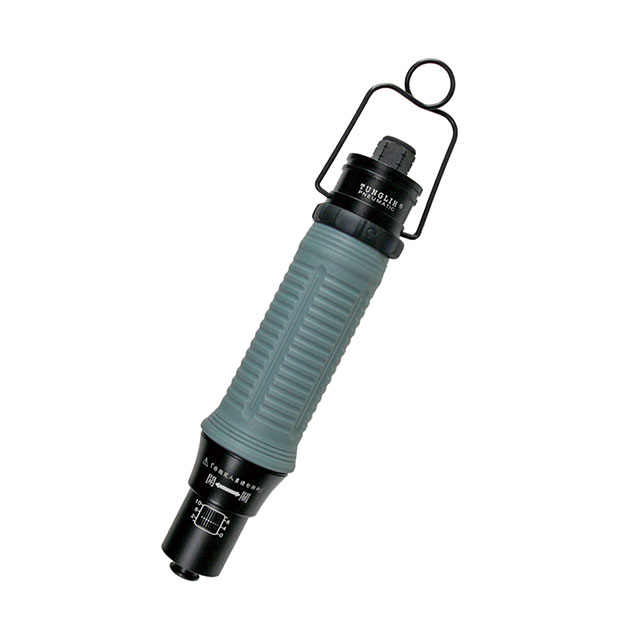
Many pneumatic air screwdrivers come with ergonomic features that reduce strain. Soft texture grips and designs like pistol grip or inline styles help minimize vibration and torque reaction on the operator’s hand. These features lower musculoskeletal fatigue during long shifts, improving worker comfort and productivity. Brands such as Bosch pneumatic screwdriver models often emphasize ergonomic design for better usability.
Pneumatic screwdrivers are built to last. Using robust materials like aluminum alloy and Teflon blades, they withstand harsh industrial environments. Oil-free motors found in many air screwdrivers reduce the need for regular lubrication, resulting in cleaner operation and less maintenance. Compared to electric tools, pneumatic screwdrivers experience lower wear and tear, leading to longer service life and reduced downtime.
Since pneumatic screwdrivers operate on compressed air, they eliminate electrical hazards, making them safe for use in wet or flammable environments. Features like push-to-start technology add an extra layer of control, preventing accidental starts. Additionally, these tools typically produce lower noise and vibration levels, contributing to a safer and healthier workplace.
Though the initial pneumatic screwdriver price might be higher than some electric models, their energy consumption is generally lower. Tools only run when engaged, especially with push-to-start systems, saving compressed air and reducing operational costs. Over time, reduced maintenance and fewer repairs translate into significant long-term savings, improving overall production line efficiency.
Pneumatic screwdrivers adapt well to different fastening needs. Whether in automotive assembly, electronics manufacturing, or heavy equipment production, air screwdrivers can handle a wide torque range and various screw sizes. Models like the Sumake air screwdriver and Bosch pneumatic screwdriver come in multiple configurations—inline, pistol grip, or right angle—offering flexibility for diverse applications.
In production lines, precision is non-negotiable. Pneumatic screwdrivers excel here, especially models like the Sumake air screwdriver and Deprag pneumatic screwdriver, which integrate patented clutch mechanisms for accurate torque control. These clutches automatically disengage the tool once the preset torque is reached, ensuring every fastener is tightened precisely. This feature is crucial to avoid common issues such as over-tightening or under-tightening, which can cause fastener damage or even product failure.
The core of precision in pneumatic torque screwdrivers lies in their patented clutch designs. These clutches provide consistent torque delivery by cutting off power exactly at the desired setting. For example, the Bosch pneumatic screwdriver models use this technology to maintain uniform fastening torque across thousands of screws. This repeatability is essential in high-volume production, where even minor torque variations can impact product quality.
Over-tightening strips threads and damages fasteners, leading to costly rework or product recalls. Pneumatic screwdrivers prevent this by shutting off once the set torque is reached. This protection extends the life of both the fasteners and the assembled product. Additionally, it reduces scrap rates and improves overall production yield.
Many pneumatic air screwdrivers offer adjustable torque settings that operators can easily change to match different fastening requirements. This repeatability guarantees that every screw in an assembly line is tightened identically, which is vital for maintaining product reliability. Inline pneumatic screwdrivers, in particular, allow for precise alignment and torque application, enhancing consistency.
Consistent fastening torque directly influences product safety and reliability. A properly fastened component withstands operational stresses better and reduces the risk of failure in the field. Using pneumatic screwdrivers with precision torque control supports manufacturers in meeting stringent quality standards and regulatory requirements.
Tip: When selecting a pneumatic screwdriver, prioritize models with patented clutch mechanisms to ensure precise torque control and protect your products from fastener damage.
Ergonomics plays a crucial role in the use of pneumatic screwdrivers on production lines. Comfortable tools reduce operator fatigue, improve accuracy, and maintain consistent productivity. Leading brands like Sumake pneumatic screwdriver and Bosch pneumatic screwdriver emphasize ergonomic design to support workers during long shifts.
Many pneumatic air screwdrivers feature soft texture grips made from thermoplastic elastomer or similar materials. These grips provide a comfortable hold, reducing hand strain and improving control. Additionally, advanced pneumatic torque screwdrivers incorporate vibration-dampening technology. This minimizes the impact of torque reaction on the operator’s hand, preventing discomfort and long-term musculoskeletal issues.
Pneumatic screwdrivers come in several design styles to suit various tasks and operator preferences:
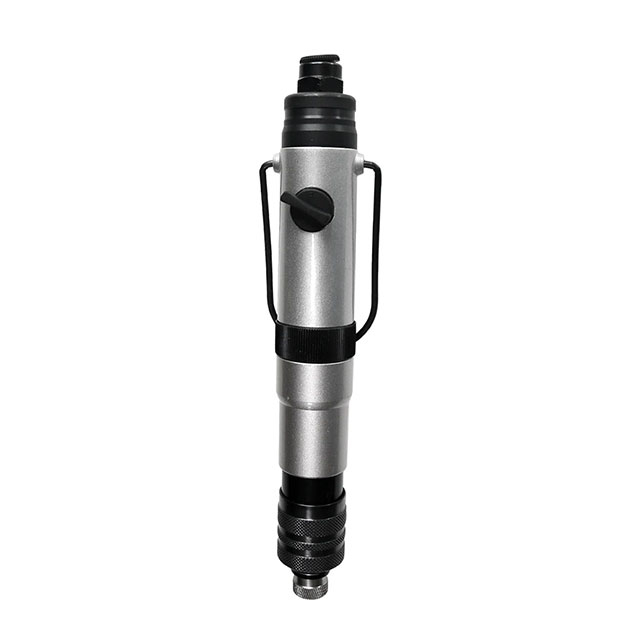
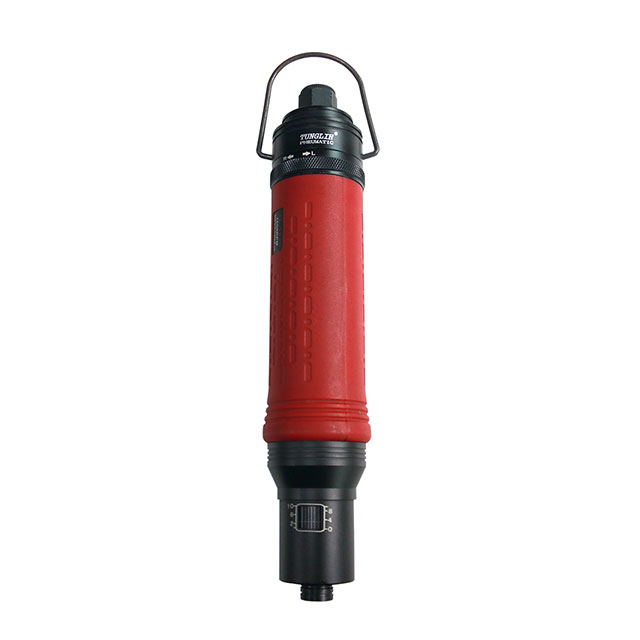
Inline Pneumatic Screwdriver: The straight, wand-like shape aligns directly with the fastener. This design allows natural wrist positioning and is excellent for vertical fastening tasks. It helps reduce wrist bending and strain.
Pistol Grip Pneumatic Screwdriver: Shaped like a gun handle, this design provides a natural grip for horizontal or angled fastening. It often includes multi-air inlet options, allowing flexible hose connections to ease movement.
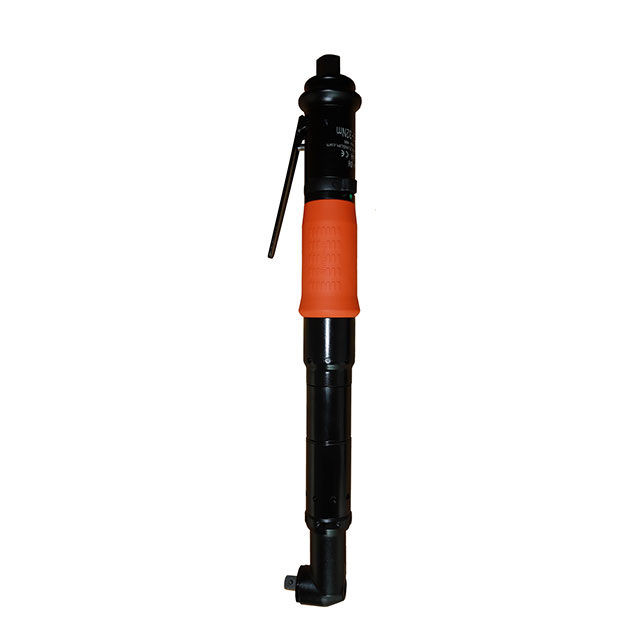
Right Angle Pneumatic Screwdriver: Ideal for tight spaces, this design positions the bit at a right angle to the handle. It enables fastening in confined areas without awkward wrist angles.
Each style aims to reduce operator fatigue by promoting natural hand and wrist postures during repetitive tasks.
Repetitive screwing can lead to musculoskeletal disorders if tools are poorly designed. Pneumatic screwdrivers with ergonomic grips and reduced vibration significantly lower the risk of strain injuries. For example, the Sumake air screwdriver’s soft grip and balanced weight distribution help maintain comfort over extended periods. Operators experience less hand fatigue, which decreases errors and absenteeism caused by discomfort or injury.
Comfortable tools contribute directly to higher productivity and better morale. When operators feel less fatigued and more in control, their focus and efficiency improve. Ergonomic pneumatic screwdrivers enable faster assembly speeds without compromising accuracy. Moreover, companies that invest in worker comfort often see reduced turnover and increased job satisfaction.
Pneumatic screwdrivers stand out in production lines not only for their performance but also for their durability and low maintenance needs. When compared to electric or manual screwdrivers, these tools offer robust construction and design features that keep them running smoothly in demanding industrial environments.
Many high-quality pneumatic screwdrivers, such as the Sumake air screwdriver and Deprag pneumatic screwdriver, are built with durable materials. Aluminum alloy bodies provide strength while keeping the tool lightweight. This combination reduces operator fatigue and resists cracking or chipping, common issues in plastic-bodied tools.
Inside, components like Teflon blades contribute to long-lasting performance. Teflon resists wear and corrosion, helping maintain smooth operation over time. This sturdy construction ensures the screwdriver pneumatic tools can endure continuous use without frequent breakdowns.
A key advantage of modern pneumatic screwdrivers is their oil-free motor design. Unlike older compressed air screwdrivers that required regular lubrication, many current models operate cleanly without oil. This feature reduces mess and contamination risks on the production line.
For example, the Flex Power series of pneumatic screwdrivers includes high-performance oil-free motors. These motors simplify maintenance routines and enhance tool reliability, making them ideal for clean assembly environments like electronics manufacturing.
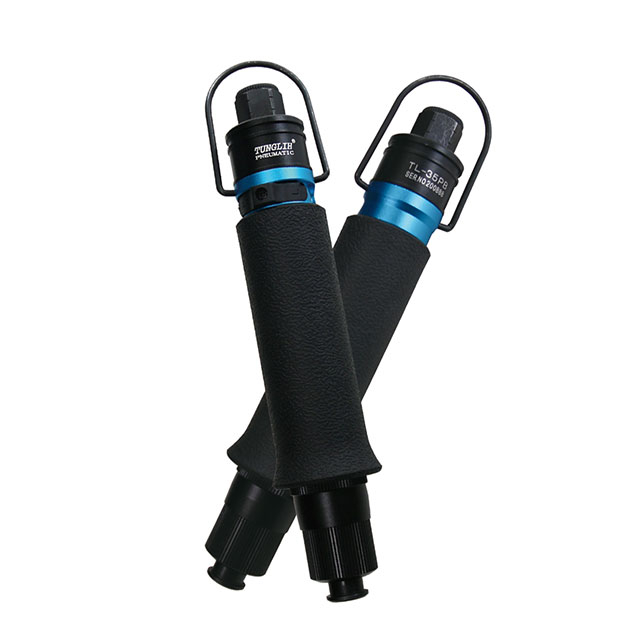
Pneumatic air screwdrivers experience less wear and tear because they have fewer moving parts and generate less heat during operation. Electric screwdrivers often suffer from motor burnout or battery degradation, but pneumatic tools avoid these issues by relying on compressed air.
This durability translates to longer service intervals and less downtime. Brands like Bosch pneumatic screwdriver models are known for their ruggedness, offering consistent performance with minimal repairs over their lifespan.
Maintenance for pneumatic screwdrivers is straightforward. Regular cleaning of air filters and occasional inspection of air hoses are usually sufficient. Since oil-free motors don’t require lubrication, the risk of over-oiling or contamination is eliminated.
Additionally, many pneumatic torque screwdrivers come with modular designs that allow quick replacement of worn parts like clutches or blades. This ease of maintenance helps keep production lines running smoothly without costly interruptions.
Pneumatic screwdrivers offer significant safety and environmental benefits, making them ideal for demanding industrial environments. Unlike electric tools, pneumatic screwdrivers operate using compressed air, which eliminates electrical hazards. This makes them especially safe to use in wet, damp, or flammable conditions where sparks or electrical faults could cause serious accidents.
Since pneumatic screwdrivers do not rely on electricity for power, they greatly reduce the risk of electric shock. This is crucial in environments like automotive assembly lines or electronics manufacturing, where moisture or conductive materials are present. Tools like the Bosch pneumatic screwdriver and Sumake pneumatic screwdriver provide safe, reliable operation without the dangers associated with electric screwdrivers.
Many modern pneumatic torque screwdrivers are designed to operate quietly with minimal vibration. Lower noise levels help protect workers’ hearing and reduce overall workplace noise pollution. Additionally, reduced vibration lessens operator fatigue and long-term musculoskeletal issues. For example, air screwdrivers with vibration-dampening grips create a healthier environment, improving worker comfort and productivity.
Push-to-start technology is a safety feature increasingly found in pneumatic screwdrivers. The tool activates only when the operator applies pressure to the fastener, preventing accidental starts. This control minimizes compressed air use and reduces wear on the tool. It also enhances operator safety by ensuring the screwdriver runs only when intended, a benefit seen in many inline pneumatic screwdriver models.
Pneumatic screwdrivers excel in harsh conditions. They function reliably in extreme temperatures, dusty areas, and locations with flammable gases or liquids. Their non-electric operation means no sparks or overheating, making them suitable for industries such as chemical manufacturing or oil and gas. Compressed air screwdrivers maintain performance where electric tools might fail or pose safety risks.
When considering the investment in production line tools, the pneumatic screwdriver stands out for its cost efficiency and long-term value. Though the initial pneumatic screwdriver price may seem higher than some electric or manual models, the total cost of ownership often favors pneumatic tools due to several key factors.
Pneumatic screwdrivers operate using compressed air, which is generally more energy-efficient than electric motors. Unlike electric tools that may run continuously or draw power even when idling, many pneumatic air screwdrivers feature push-to-start technology. This means the tool only consumes energy when actively tightening screws, significantly reducing wasted power. Over time, this efficiency translates into lower energy bills and a smaller carbon footprint for the production line.
Durability is a hallmark of quality pneumatic torque screwdrivers. Brands like Sumake pneumatic screwdriver and Bosch pneumatic screwdriver are engineered for robust, oil-free operation, minimizing wear and tear. Their simple mechanism means fewer breakdowns and less frequent repairs compared to electric screwdrivers, which often suffer from motor failures or battery issues. Reduced downtime keeps production lines running smoothly and cuts maintenance expenses, enhancing overall profitability.
While the upfront air screwdriver price might be higher, the long-term savings often outweigh this cost. Pneumatic screwdrivers typically have longer service lives due to their rugged construction and fewer moving parts. They also require less maintenance, thanks to features like oil-free motors and durable materials such as aluminum alloy and Teflon blades. This combination means fewer replacements and lower lifecycle costs, making pneumatic screwdrivers a smart investment for high-volume assembly operations.
Cost efficiency isn’t just about energy and repairs; it also involves how the tool contributes to smooth workflow. Pneumatic screwdrivers deliver consistent torque and rapid fastening speeds, reducing cycle times and increasing throughput. This efficiency reduces labor costs per unit and improves output without compromising quality. The reliability and speed of pneumatic tools, including inline pneumatic screwdriver models, directly enhance production line performance and profitability.
Pneumatic screwdrivers are incredibly versatile tools that fit a wide range of production environments. Their adaptability, combined with precise torque control and ergonomic designs, makes them a staple across many industries. Let’s explore how these tools, including popular models like the Sumake air screwdriver, Deprag pneumatic screwdriver, and Bosch pneumatic screwdriver, are used in various production lines.
Automotive manufacturing demands speed, accuracy, and reliability. Pneumatic torque screwdrivers excel here by delivering consistent torque essential for fastening critical components. Inline pneumatic screwdrivers allow workers to reach tight spaces under dashboards or inside engine compartments with ease. The fast cycle times of air torque screwdrivers help meet high production quotas without sacrificing quality. For example, the Bosch pneumatic screwdriver is widely adopted in automotive plants for its durability and precise torque settings.
In electronics, every screw counts. Over-tightening can damage delicate circuit boards, while loose screws risk product failure. Pneumatic screwdrivers with patented clutch mechanisms, like the Sumake pneumatic screwdriver, provide repeatable torque control that prevents damage. Their compact size and lightweight design suit the intricate assembly of smartphones, laptops, and other devices. The low vibration and ergonomic grips reduce operator fatigue during long shifts, maintaining steady productivity.
Heavy equipment and construction machinery require robust fastening solutions. Pneumatic air screwdrivers offer the power and durability needed to handle large fasteners and harsh environments. Their oil-free motors and aluminum alloy bodies withstand dust, dirt, and rough handling common on construction floors. Right angle pneumatic screwdrivers are especially useful in assembling machinery where access is limited. Brands like Deprag pneumatic screwdriver provide models designed to endure these tough conditions.
One of the greatest strengths of pneumatic screwdrivers is their flexibility. They come in various styles—inline, pistol grip, and right angle—to fit specific tasks and operator preferences. Adjustable torque settings allow use across a broad range of fastener sizes and materials. Whether assembling small electronics or heavy machinery, pneumatic screwdrivers adapt to the job. This versatility reduces the need for multiple tool types, saving costs and simplifying inventory.
Pneumatic screwdrivers offer precise torque control, boosting product quality and assembly speed. Their ergonomic design reduces operator fatigue, improving comfort and productivity. These tools are durable, require low maintenance, and enhance safety in industrial settings. Choosing the right pneumatic screwdriver ensures efficiency and long-term savings. With ongoing advancements, pneumatic tools continue to evolve for better performance. Dongli provides reliable pneumatic screwdrivers that deliver these benefits, helping manufacturers optimize production lines effectively.
A: A pneumatic screwdriver is a compressed air screwdriver that uses air pressure to deliver consistent torque for fastening. Models like the Deprag pneumatic screwdriver utilize patented clutch mechanisms to ensure precise torque control, preventing over-tightening and improving product quality on production lines.
A: Pneumatic screwdrivers, such as the Sumake air screwdriver, offer enhanced durability, lower maintenance with oil-free motors, and safer operation without electrical hazards. They also provide faster assembly speeds and better ergonomic designs, boosting productivity and reducing operator fatigue.
A: Ergonomic features in pneumatic air screwdrivers, including soft texture grips and options like inline or pistol grip styles, reduce vibration and musculoskeletal strain. Brands like Bosch pneumatic screwdriver emphasize comfort, helping operators maintain efficiency during long production shifts.
A: While the initial air screwdriver price may be higher than electric tools, pneumatic screwdrivers save energy with push-to-start technology and require less maintenance. This leads to lower long-term costs and reduced downtime, making them a cost-efficient choice for production lines.
A: Yes, pneumatic screwdrivers operate on compressed air, eliminating electrical risks. Features like push-to-start and low vibration make tools such as the Bosch pneumatic screwdriver safe and reliable for use in flammable or damp industrial settings.