T: +86-13302905061
E: sales@dongli2006.com
E: sales@dongli2006.com
Building 101, No.5 Rixing Street, Pingdong Community, Pingdi Street, Longgang District, Shenzhen, Guangdong, China.
Views: 0 Author: Site Editor Publish Time: 2026-07-31 Origin: Site


Selecting the wrong fastening tool in high-volume production environments carries severe hidden penalties. Increased scrap rates and repetitive strain injuries quickly erode operational efficiency on the assembly line. Inconsistent torque application leads directly to stripped threads, damaged components, and loose joints that fail in the field. Operator fatigue slows down throughput, while frequent tool replacements disrupt workflows and increase product liability risks. You need reliable fastening solutions to maintain strict quality control and hit daily production quotas. This guide provides a technical framework for evaluating and selecting an industrial fastening tool. We analyze application requirements, torque control mechanisms, and operational longevity. You will learn how to match tool specifications directly to your production demands, ensuring you deploy the exact hardware required for your specific joint profiles and cycle times.
Match Drive Type to Production Scale: Select between manual, pneumatic, and electric screwdrivers based on cycle times, mobility requirements, and existing facility infrastructure.
Prioritize Torque Accuracy: Utilize auto-shutoff or transducerized tools to prevent stripped fasteners, eliminate cam-out, and ensure strict quality control compliance.
Factor in Ergonomics: Mitigate repetitive strain injuries (RSI) and maintain operator productivity by evaluating tool weight, grip design, and torque reaction management.
Table of Contents
High-speed continuous assembly lines demand entirely different specifications than low-volume batch work. Continuous production requires tools built for heavy duty cycles. Motors must dissipate heat efficiently to prevent premature failure when driving thousands of screws per shift. Low-volume, high-precision tasks prioritize accuracy over raw speed. Target cycle times dictate your necessary RPM. Fast cycle times need high-speed motors to keep up with conveyor belts. Slower, delicate operations require lower RPM to maintain control and prevent material damage. You must calculate the exact number of fasteners driven per minute to determine the thermal load your tool will endure.
When evaluating cycle times, consider the rundown phase versus the final tightening phase. A tool might spin fast during rundown but struggle to deliver the final torque if the motor is undersized. High-volume lines often utilize multi-spindle setups, whereas manual stations rely on single hand-held units. The duty cycle rating of the motor will tell you how many seconds per minute the tool can operate without overheating. Exceeding this rating burns out the motor windings and destroys the internal gearing.
Over-torquing destroys components. It strips threads, crushes gaskets, and induces severe material stress that leads to cracking. Under-torquing leaves assemblies loose, leading to catastrophic product failure in the field due to vibration backing the fastener out. Both errors compromise safety and damage brand reputation. Acceptable torque tolerance windows vary drastically across manufacturing sectors. Aerospace applications demand extremely tight tolerances, often requiring verification for every single fastener. Consumer goods often allow slightly wider margins, but still require consistent application to prevent warranty claims.
Defining your exact torque window is the first critical step in tool selection. You must understand the difference between hard joints and soft joints. A hard joint reaches its target torque in a fraction of a turn after the screw head seats. A soft joint, like compressing a rubber gasket or driving into plastic, takes several turns to build up to the target torque. The tool's clutch mechanism must react appropriately to these different joint profiles to maintain your specified tolerance window.
Prolonged tool use severely impacts operator biomechanics. Repetitive motions and continuous vibrations lead to debilitating musculoskeletal disorders. You must evaluate vibration levels rigorously. Tool balance plays a crucial role in reducing wrist strain. Heavy or poorly balanced tools force operators to exert unnecessary grip force, accelerating fatigue. High-torque applications necessitate torque reaction arms. These arms absorb the rotational kickback, protecting the operator's wrists and elbows from sudden, violent twisting forces.
Consider the physical layout of the workstation. Operators should not have to reach awkwardly or bend their wrists at extreme angles to engage the fastener. Tool balancers suspend the tool above the work area, rendering it virtually weightless. This setup eliminates the strain of lifting and holding the tool for eight hours a day. Proper ergonomic implementation directly correlates to lower absenteeism and higher daily output.
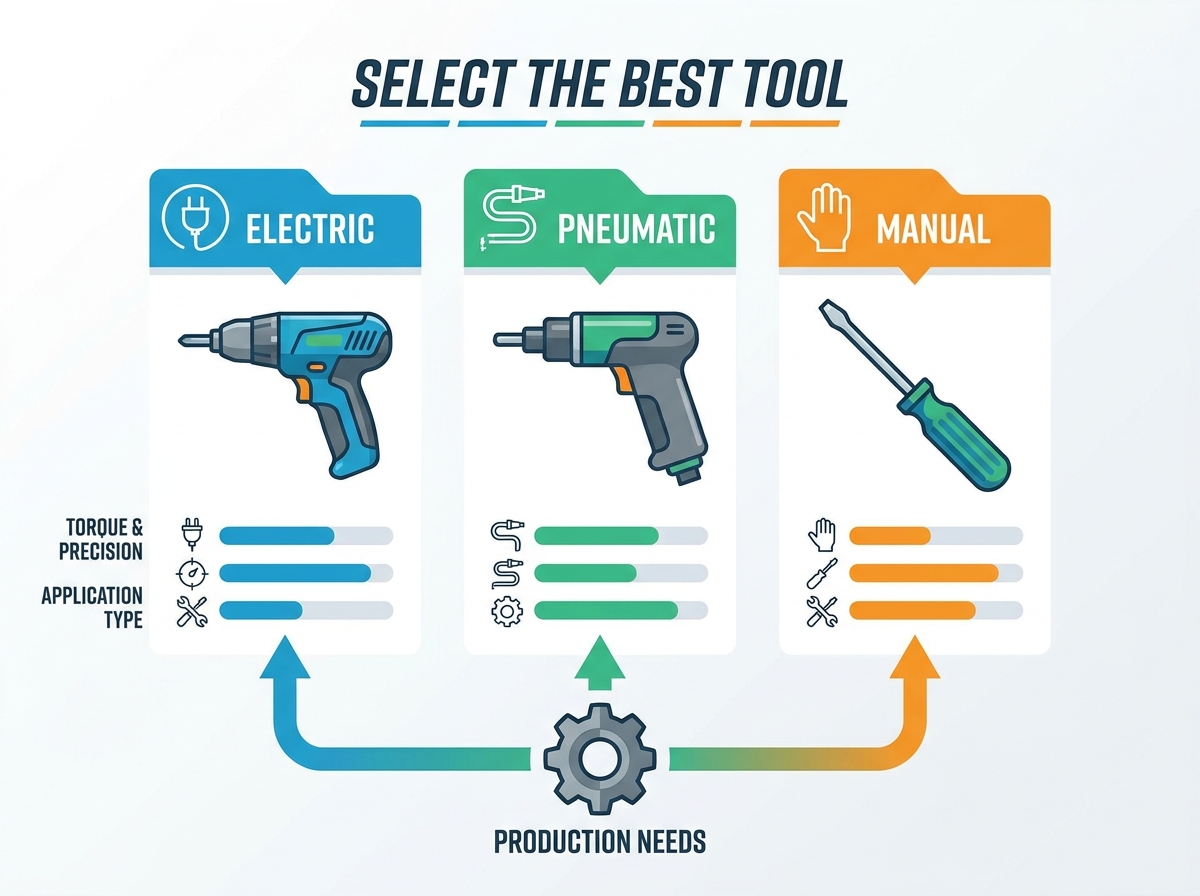
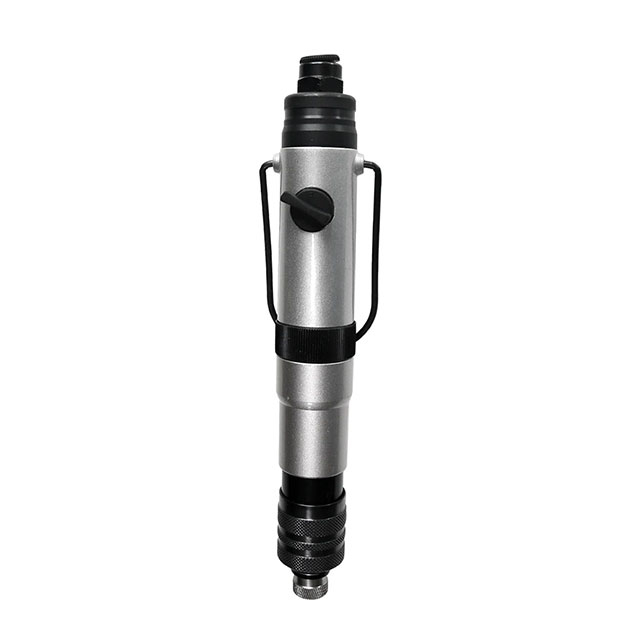
Manual tools remain essential for specific use cases. Low-volume production and delicate micro-electronics rely heavily on manual precision. Laptops, medical devices, and printed circuit boards (PCBs) require a delicate touch that automated tools sometimes cannot provide. Calibration-critical final adjustments often demand manual intervention. Quality manual torque tools feature cam-over and slipping clutches. These mechanisms physically disengage when reaching the target torque, making over-tightening impossible regardless of how hard the operator turns the handle.
Micro-precision tools handle tiny fasteners where the torque is measured in centi-Newton meters (cNm). Heavy-duty, impact-rated manual tools tackle rugged maintenance tasks and machinery teardowns where breaking loose rusted bolts is the primary objective. Selecting the right manual tool involves matching the handle size to the required torque; larger handles provide more leverage for higher torque applications, while smaller handles prevent accidental over-torquing on delicate assemblies.
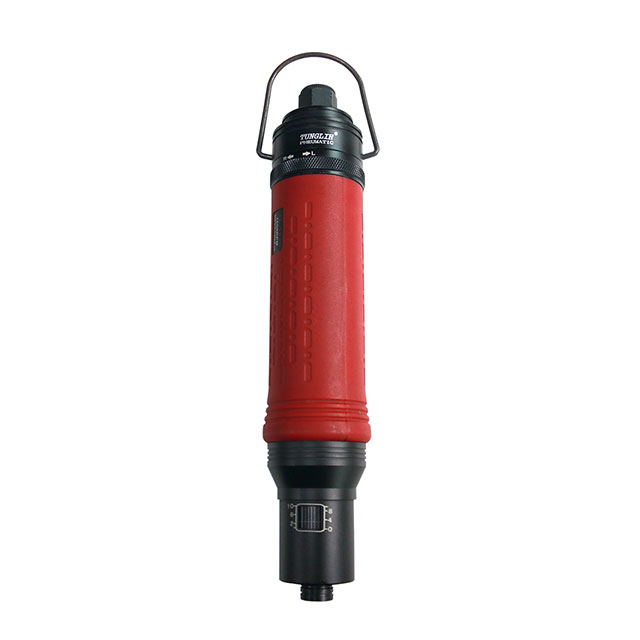
Pneumatic tools offer a massive power-to-weight ratio. They deliver exceptional durability in harsh environments. Air motors handle continuous duty cycles effortlessly without overheating, as the expanding air naturally cools the internal components. However, they require robust compressed air infrastructure. You must maintain clean, dry, and lubricated air lines to prevent internal corrosion and vane wear.
Air hoses limit operator mobility and create significant trip hazards across the factory floor. Pneumatic tools also introduce exhaust noise and potential oil mist into the workspace, which can contaminate cleanroom environments. Despite these drawbacks, for sheer ruggedness and continuous high-torque output in heavy manufacturing, pneumatic tools remain a staple on many assembly lines.
Electric tools provide excellent portability and cleaner operation. They eliminate the need for air hoses and compressors, simplifying workstation setup. Modern units feature programmable torque settings for versatile assembly tasks. They operate much quieter than pneumatic equivalents, improving the overall acoustic environment of the factory. When selecting an industrial Screwdriver, you must evaluate the motor type and power delivery system.
Cordless models maximize mobility but introduce battery management logistics. Onboard batteries increase the overall tool weight, which can impact ergonomics during overhead work. You must also account for battery degradation over time and manage charging cycles effectively. Implementing a strict battery rotation schedule ensures operators never run out of power mid-shift. Corded electric models offer continuous power without the weight penalty of a battery, making them ideal for stationary assembly cells.
Transducerized tools serve as the backbone of Industry 4.0 environments. They feature built-in sensors that measure exact torque applied to the fastener in real-time. These smart tools offer real-time data logging and precise angle control. They provide complete traceability for every single screw driven, linking the torque data directly to the product's serial number. You can integrate them directly with Manufacturing Execution Systems (MES).
This integration ensures absolute quality control and immediate error detection on the assembly line. If a screw cross-threads or strips, the tool instantly flags the error, preventing the defective product from moving to the next station. While the initial setup requires significant engineering input, the reduction in rework and warranty claims justifies the implementation for critical assemblies like automotive brakes or medical implants.
High-voltage environments demand specialized safety gear. VDE-certified insulated manual tools protect technicians working on electric vehicle battery assemblies and live control panels. These tools undergo rigorous testing to withstand thousands of volts, ensuring operator safety during live-line maintenance. The insulation must remain intact; any nick or cut compromises the tool's safety rating.
Modular interchangeable-blade sets offer immense value for field service technicians. They provide multiple drive profiles in a compact, easily transportable kit. Instead of carrying twenty different screwdrivers, a technician carries one insulated handle and a variety of certified blades. This reduces tool bag weight and ensures the right profile is always available for unexpected maintenance tasks.
The clutch mechanism determines how the tool stops applying rotational force. You must match the clutch type to your specific joint characteristics to ensure consistent assembly.
Clutch Type | Mechanism | Best Application |
|---|---|---|
Slip Clutch (Cushion Clutch) | Slips continuously once torque is reached. | Soft joints, wood, plastics where exact precision is less critical. |
Auto-Shutoff | Cuts power to the motor instantly upon reaching target torque. | Hard joints, metal-to-metal assembly, high-precision requirements. |
Direct Drive | No clutch; operator controls stopping via trigger. | Tear-down, maintenance, applications requiring maximum raw power. |
Auto-shutoff clutches provide the highest repeatability for standard assembly tasks. They eliminate the human element from the final torque application. Slip clutches are more forgiving on soft joints where the torque builds gradually, but they generate vibration and wear out faster if allowed to slip excessively.
High RPM drastically reduces cycle times. However, excessive speed increases the risk of cross-threading, especially with fine-thread machine screws. Fast rotation also generates friction heat, which can melt plastic components during assembly or cause galling in stainless steel fasteners. Variable speed triggers allow operators to start slowly, ensuring the threads engage properly before applying full power.
Soft-start features automatically manage this process. The tool spins slowly for the first few rotations, then ramps up to full speed for the rundown, and finally slows down again just before the clutch engages. This sophisticated speed control prevents fastener damage, reduces cam-out, and maintains high production efficiency without sacrificing quality.
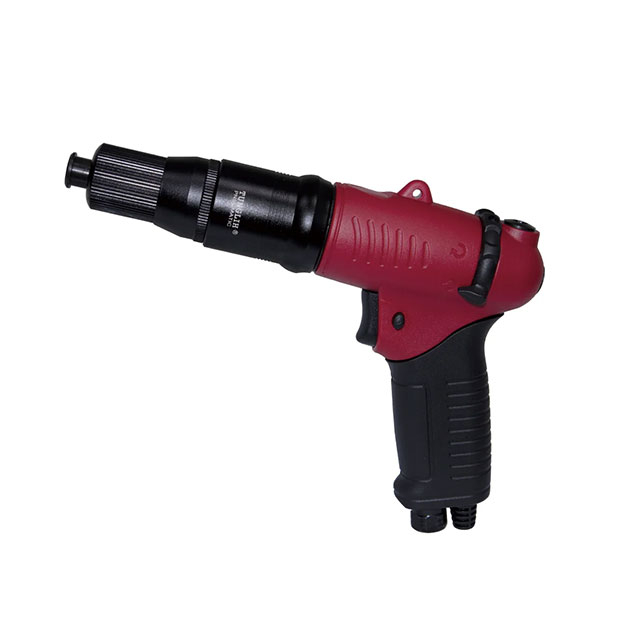
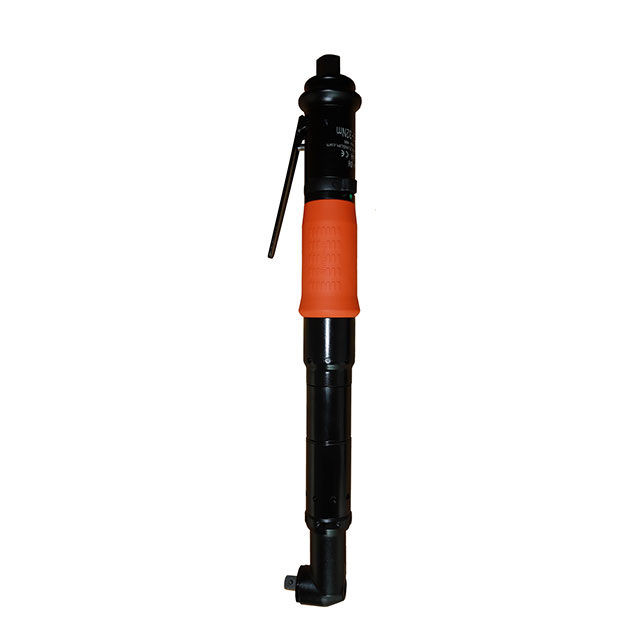
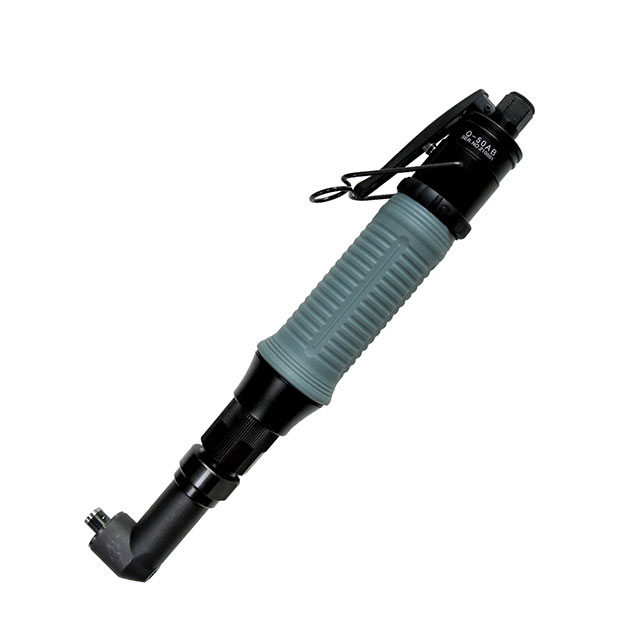
Handle configurations directly impact operator fatigue and accessibility. Pistol grips work best for horizontal applications where the operator pushes the tool forward. Inline (straight) tools excel in vertical, downward-driving tasks, especially when suspended from a balancer. Right-angle formats provide access to tight, confined spaces where a standard tool cannot fit.
Multi-component grip materials enhance control. Soft-grip zones reduce hand slippage, while hard plastics provide structural integrity. Anti-roll contours prevent tools from falling off workbenches, reducing damage from drops. Specialized ergonomic profiles maximize torque transfer from the operator's hand to the fastener, minimizing the grip force required to counteract the tool's rotational reaction.
Industrial environments demand rugged construction. Aluminum housings offer superior drop resistance compared to standard plastics, protecting the internal gears and motor. Reinforced composites provide a lightweight yet durable alternative for handheld tools. Brushless motors require less maintenance and deliver a longer lifespan than traditional brushed motors because there are no carbon brushes to wear out and replace.
Electronics manufacturing strictly requires ESD-safe materials to prevent static discharge from destroying sensitive components. Tip performance relies on advanced treatments. Laser-etched micro-grooves bite into fastener heads, virtually eliminating cam-out and extending bit life. Diamond-coated tips offer extreme grip for stubborn fasteners. You must also choose between magnetized tips for convenience or non-magnetic mechanical retention for environments where metal shavings pose a contamination risk.
Standardized hex sizes, such as the common 1/4-inch hex, ensure broad bit compatibility across different tool brands. Quick-change chuck mechanisms allow operators to swap bits rapidly without secondary tools, minimizing downtime during changeovers. Magnetic retention holds bits securely for most tasks, but can attract metallic debris.
Mechanical locking collars provide absolute retention. They prevent bits from sticking in the fastener and pulling out of the tool when the operator pulls away. This is crucial in automated or semi-automated setups where a lost bit halts the entire production line. Selecting high-quality, impact-rated bits prevents premature shattering under high-torque loads.
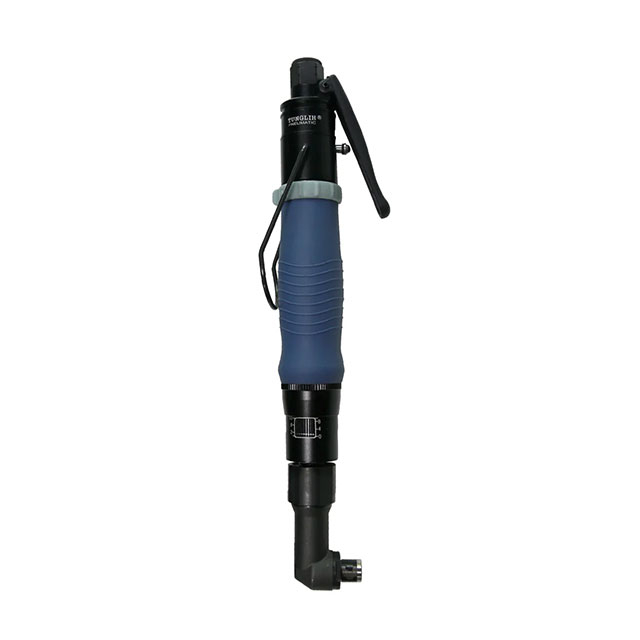
Consumer-grade tools fail rapidly in multi-shift industrial settings. Their internal components, often made of stamped metal or plastic, cannot withstand continuous stress. Investing in industrial-grade internals yields significant long-term benefits. Machined gears and premium bearings survive years of heavy use without losing precision.
A durable tool prevents costly assembly line shutdowns. When a tool fails, production stops, and operators stand idle. The cost of lost production time far exceeds the initial purchase price of a high-quality industrial tool. Selecting equipment built for the specific duty cycle of your line ensures continuous operation and reduces the frequency of emergency replacements.
Evaluate your actual data requirements carefully. Applications requiring strict traceability benefit immensely from data logging and programmable presets. However, many assembly tasks only need consistent torque application. A reliable mechanical auto-shutoff tool often suffices for standard manufacturing processes.
Smart tools introduce hidden complexities. They require software integration, network connectivity, and ongoing IT support. If the network goes down, smart tools might lock out, halting production. Choose smart features only when the production data provides tangible value for quality control, compliance reporting, or process optimization.
Your facility infrastructure heavily influences tool selection. Pneumatic tools require clean, dry air lines. Retrofitting and maintaining compressors, air dryers, and filtration systems requires significant capital and ongoing maintenance. Leaks in the air system waste massive amounts of energy.
Cordless tools eliminate air line maintenance but introduce new requirements. You must invest in industrial charging stations and manage battery health. Maintaining a fleet of spare batteries is essential to prevent downtime during shift changes. Corded electric tools offer a middle ground, requiring only standard electrical outlets, but they reintroduce cables to the workstation.
Mechanical wear inevitably causes tools to drift out of specified torque tolerances over time. Clutch springs fatigue, and gears wear down. This drift leads to inconsistent fastening, resulting in loose or over-tightened joints. You must establish a strict, documented testing schedule to catch this drift before it impacts product quality.
Use digital torque analyzers and rotary transducers to verify tool accuracy daily or weekly, depending on the criticality of the joint. Operators should perform a quick verification check at the start of every shift. Regular verification prevents out-of-spec products from leaving the assembly line and provides a documented trail for quality audits.
Even the best tools fail if used incorrectly. Improper handling leads to cross-threading, cam-out, and repetitive strain injuries. Operators might bypass safety features or use the wrong technique to speed up their work. Implement standardized training programs for all operators before they touch the assembly line.
Train them on proper tool alignment, ensuring the bit is perfectly straight before pulling the trigger. Teach them how to anticipate reaction forces and hold the tool securely. Ensure they understand proper bit seating techniques. Continuous observation and retraining correct bad habits before they cause quality issues or injuries.
Tool failures halt production lines. Slow repair turnarounds compound the financial losses. Source tools designed with easily accessible wear parts. Modular cables, replaceable carbon brushes, and quick-change clutch assemblies speed up maintenance and get the tool back on the line faster.
Maintain a strategic inventory of backup units. Swapping a broken tool immediately keeps the line moving while the damaged unit undergoes repairs in the maintenance shop. Track failure rates and common repair issues to identify if a specific tool model is unsuited for the application, allowing you to upgrade to a more robust solution.
Established in December 2006, Dongli develops, manufactures, and supplies industrial-grade pneumatic and electric tools under the TUNGLIH brand. Backed by a professional technical team, international certifications, OEM capabilities, and more than 30 parts-production machines, the company supports reliable fastening solutions for assembly and industrial maintenance.
Audit your current assembly line failure rates to identify specific torque or ergonomic bottlenecks causing production delays.
Consult with a tooling engineer to map joint profiles and determine exact torque requirements for your specific materials.
Request an on-site evaluation and tool demo to test ergonomics and performance in your actual production environment.
Establish a routine calibration schedule using digital torque analyzers before deploying new tools to the factory floor.
A: A standard tool relies entirely on the operator's judgment to determine tightness. A torque tool features an internal clutch mechanism that physically disengages or shuts off power when a specific, pre-set rotational force is reached, preventing over-tightening.
A: Calibration frequency depends on usage intensity and joint criticality. High-volume, critical applications require daily or weekly verification. Standard assembly tasks typically require formal calibration every six months to one year, or after a specific number of cycles recommended by the manufacturer.
A: An auto-shutoff clutch instantly cuts power to the tool's motor the moment the target torque is achieved. This prevents any further rotational force from being applied, ensuring high accuracy and protecting the fastener and component from damage.
A: Match RPM to the material and thread type. Use high RPM for fast cycle times in metal-to-metal hard joints. Use lower RPM for plastics, self-tapping screws, or delicate materials to prevent heat generation, melting, and cross-threading.
A: Use a torque reaction arm whenever the tool's rotational kickback exceeds safe ergonomic limits for continuous use. Typically, inline tools exceeding 4 Nm and pistol grip tools exceeding 10 Nm require reaction arms to prevent operator wrist and elbow injuries.