T: +86-13302905061
E: sales@dongli2006.com
E: sales@dongli2006.com
Building 101, No.5 Rixing Street, Pingdong Community, Pingdi Street, Longgang District, Shenzhen, Guangdong, China.
Views: 0 Author: Site Editor Publish Time: 2025-12-19 Origin: Site


Pneumatic tools are crucial in various industries, offering unmatched speed, efficiency, and precision. But which is the most common pneumatic tool, and why is it so popular?
In this article, we’ll explore the most commonly used pneumatic tools, their applications, and the reasons behind their widespread use. You’ll also discover how products from TUNGLIH can enhance your operations with reliable and high-performance pneumatic tools.
Pneumatic tools, also known as air-powered tools, are powered by compressed air that flows into the tool through hoses, activating internal components like pistons, turbines, and gears. Unlike electric-powered tools, pneumatic tools rely on air pressure to provide continuous power. This design prevents them from overheating, making them perfect for tasks that demand consistent performance over long periods.
Pneumatic tools have a range of benefits that make them more suitable for many industries compared to electric tools:
● Lightweight Construction: Pneumatic tools are often lighter, which reduces operator fatigue during extended use.
● Durability: With fewer moving parts, pneumatic tools typically require less maintenance and have a longer lifespan.
● Safety: Without electrical components, pneumatic tools are safer to use in hazardous environments where sparks or electrical malfunctions could be a concern.
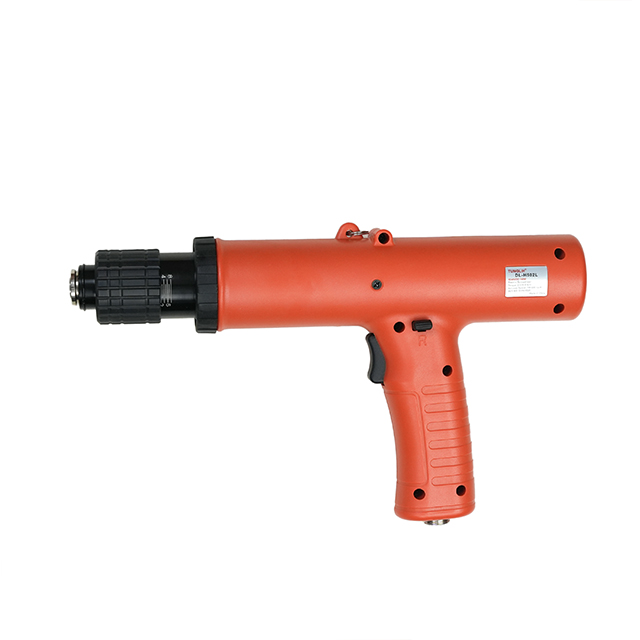
Pneumatic impact wrenches are widely used in automotive repair and assembly lines. They provide high torque, which makes them perfect for loosening or tightening bolts and nuts quickly and with minimal effort. These tools are essential in industries where high efficiency and ease of use are critical. Pneumatic impact wrenches can reduce work time significantly compared to manual wrenches, making them a common choice for tasks that require precision and speed.
Pneumatic drills are robust tools used for drilling holes in materials like wood, metal, and plastics. They are known for their power and speed, making them ideal for demanding tasks in automotive repair, construction, and industrial manufacturing. These drills are especially effective when dealing with tough materials and tough-to-reach areas, offering superior torque and the ability to perform under pressure. The reliability and versatility of pneumatic drills make them a staple in many industries.
Pneumatic sanders and grinders are critical tools in industries like automotive repair, construction, and woodworking. These tools use compressed air to power abrasive actions, making them perfect for tasks that require surface finishing, such as smoothing rough materials or preparing surfaces for painting. Their ability to operate consistently and efficiently, combined with their speed, makes pneumatic sanders and grinders essential for high-precision work in these industries. Whether for metalwork, bodywork, or woodworking, these tools are indispensable for achieving smooth, polished results.
Pneumatic Tool | Primary Use | Industry/Application |
Pneumatic Impact Wrench | Tightening and loosening bolts and nuts | Automotive repair, construction, maintenance |
Pneumatic Drill | Drilling holes in various materials | Automotive, construction, manufacturing |
Pneumatic Sanders and Grinders | Surface finishing, material removal | Automotive repair, woodworking, manufacturing |
Air Ratchet | Tightening and loosening bolts in confined spaces | Automotive repair, assembly lines |
Pneumatic Paint Sprayer | Painting large surfaces efficiently | Automotive refinishing, construction |
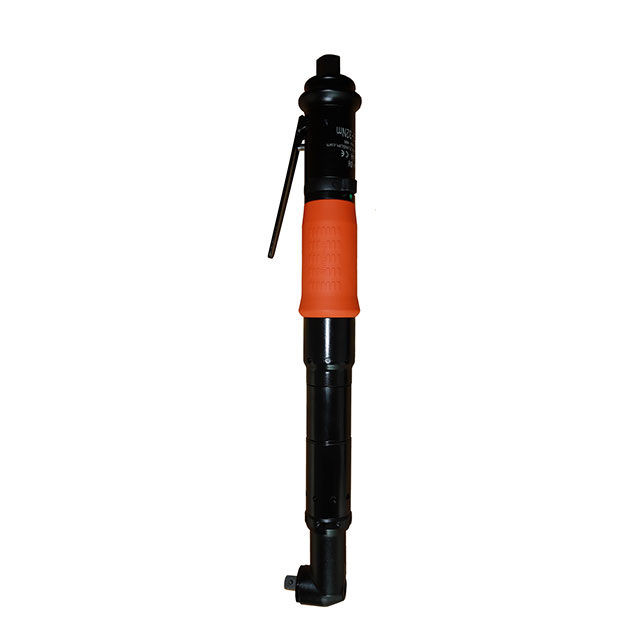
The air ratchet is one of the most common pneumatic tools due to its versatility and efficiency. It is frequently used in automotive workshops and assembly lines for tightening and loosening bolts quickly. Its lightweight design makes it ideal for use in tight spaces where manual wrenches may struggle, providing a faster and more effective alternative. The air ratchet’s ability to perform high-torque tasks with minimal physical effort is another reason it is highly regarded in industries that require both speed and precision.
Air ratchets offer several key features that make them indispensable in high-speed, high-torque environments:
● Speed: Air ratchets can deliver rapid rotations, allowing tasks to be completed quickly and efficiently, which is essential in busy work environments where time is critical.
● Ease of Use: These tools require minimal physical effort, which significantly reduces strain on operators and increases productivity. Their ergonomic design makes them comfortable to use for extended periods.
● Compact Design: The small, lightweight size of the air ratchet allows it to be maneuvered easily in tight or confined spaces, making it an excellent choice for intricate repair and maintenance tasks where larger tools might not fit.
Air ratchets are primarily used in automotive repair, where they excel at tasks such as removing and installing oil pan bolts, loosening exhaust system clamps, and accessing difficult-to-reach areas in engine bays. Their combination of speed, precision, and power makes them invaluable in these settings. Additionally, air ratchets are widely used in assembly lines, where their ability to quickly fasten bolts or nuts significantly enhances production efficiency. Their versatility also extends to industrial maintenance, where precision and speed are essential for repairs and upkeep of machinery.
Feature | Air Ratchet | Impact Wrench |
Torque Output | Low to medium torque | High torque |
Speed | Higher speed, lower torque | Slower speed, higher torque |
Size | Compact, ideal for tight spaces | Larger, less portable |
Ease of Use | Less effort, user-friendly | Requires more force, especially for tough bolts |
Primary Application | Tightening/loosening in confined spaces | Heavy-duty tasks like loosening stuck bolts |
Air hammers and chisels are powerful tools used for cutting, breaking, and shaping hard materials. These tools are essential in demolition, panel beating, and masonry work, where high force is required to break or shape materials. They are also used for rust removal, riveting, and other heavy-duty applications. With their versatility, they can handle a range of tasks from breaking concrete to cutting through tough metals.
Pneumatic paint sprayers are widely used in automotive refinishing and large-scale painting projects. These tools provide greater speed and precision compared to traditional paintbrushes and rollers, making them ideal for large surface areas. Pneumatic paint sprayers minimize paint wastage, allow for smoother finishes, and can cover large areas much faster than hand application. Their efficiency is a major factor in industries like automotive repairs, construction, and furniture refinishing.
Pneumatic nail guns are used extensively in construction, woodworking, and furniture assembly for fast and precise nailing. These tools significantly reduce the time spent driving nails manually, boosting productivity and reducing operator fatigue. Pneumatic nail guns excel in framing, roofing, and furniture assembly due to their ability to drive nails quickly and accurately. Their ability to perform repetitive tasks with consistency makes them an invaluable tool in high-volume work environments.
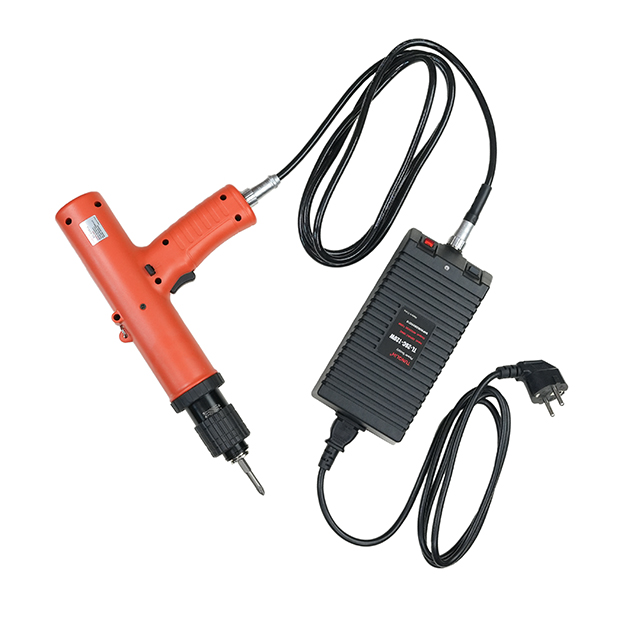
When selecting a pneumatic tool, several key factors must be considered to ensure that the tool fits the intended task:
● Power Requirements: Ensure that the tool's PSI (pounds per square inch) and CFM (cubic feet per minute) ratings align with the air compressor’s output. This ensures that the tool performs efficiently and doesn't overload the system.
● Ergonomics: Choose tools that are comfortable to handle, particularly if the tasks require prolonged use. A tool with an ergonomic design will help reduce strain and improve accuracy.
● Portability: Some tools, like pneumatic ratchets, are highly portable, making them ideal for tasks in tight spaces or when working in different locations. Portability is key when maneuvering around confined spaces or on-the-go repairs.
Regular maintenance is essential to ensure pneumatic tools perform at their best and have a long service life:
● Lubrication: Regularly apply oil to moving parts to reduce friction and wear. This helps the tool run smoothly and prevents overheating or damage.
● Air Hose Inspection: Periodically check air hoses for leaks, cracks, or wear. Leaky hoses reduce air pressure, affecting the performance of your tools.
● Filter Cleaning: Clean or replace the air filters regularly to maintain proper airflow. Blocked filters can restrict airflow and lead to inefficient performance or damage to the tool over time.
Maintenance Tip | Description |
Lubrication | Apply lubricant to moving parts to reduce friction and wear. |
Air Hose Inspection | Check for cracks, wear, and leaks to maintain air pressure. |
Filter Cleaning | Clean or replace air filters to ensure proper airflow. |
Regular Inspections | Inspect all parts, including safety valves, to ensure smooth functioning. |
Pneumatic tools such as air ratchets, impact wrenches, and air compressors play a vital role in improving efficiency and performance in automotive workshops. Their ability to deliver high power, fast speed, and portability makes them indispensable for tasks like tire changes, engine repairs, and routine maintenance. These tools help technicians complete jobs faster, reducing downtime and increasing productivity on the shop floor.
Pneumatic tools also offer greater safety and precision compared to manual or electric tools. The ease of use and ergonomic design reduce physical strain on technicians, allowing them to work more comfortably for longer periods. In hazardous environments where electricity could be a concern, air-powered tools eliminate the risk of electrical hazards, making them the safer choice. Additionally, pneumatic tools deliver consistent results, ensuring high-quality repairs and maintenance tasks with precision.
Pneumatic tools are essential across industries due to their efficiency, precision, and power. Among them, the air ratchet is the most common tool, known for its speed, ease of use, and versatility. By selecting the right tools and maintaining them well, you can boost productivity and ensure high-quality results. Products from TUNGLIH provide reliable, high-performance solutions, enhancing your operational efficiency and overall output.
A: The air ratchet is the most common pneumatic tool, known for its speed, ease of use, and versatility in automotive and industrial applications.
A: A pneumatic air ratchet works by using compressed air to drive a rotating mechanism, allowing quick and efficient tightening or loosening of bolts in confined spaces.
A: Pneumatic tools, like air ratchets, offer greater torque, speed, and safety in hazardous environments compared to electric tools, making them ideal for heavy-duty tasks.
A: Regularly lubricate moving parts, inspect air hoses for leaks, and clean filters to ensure optimal performance and extend the life of pneumatic tools.