T: +86-13302905061
E: sales@dongli2006.com
E: sales@dongli2006.com
Building 101, No.5 Rixing Street, Pingdong Community, Pingdi Street, Longgang District, Shenzhen, Guangdong, China.
Views: 0 Author: Site Editor Publish Time: 2025-12-19 Origin: Site


An automatic wrench is a powerful tool used in many industries. It helps tighten or loosen bolts with high torque. Powered by air, electricity, or hydraulics, it offers speed and precision.
In industries like automotive repair, construction, and manufacturing, these tools are vital. In this article, we will explore what an automatic wrench is, how it works, and its benefits.
TUNGLIH offers reliable automatic wrenches, designed to enhance productivity. Learn more about our products to improve your operations.
An automatic wrench is a tool that automatically applies a precise amount of torque to a fastener, such as a bolt or nut. Unlike manual wrenches, which require the user to apply continuous effort, automatic wrenches are powered by external sources like compressed air, electricity, or hydraulic systems. These tools are often used in high-demand environments where speed and precision are essential.
An automatic wrench works by converting energy from compressed air or electricity into rotational force, applying it to fasteners. It features a mechanism that ensures consistent torque, meaning it will not over-tighten or under-tighten the fastener. This is achieved through automatic torque adjustment, which ensures that each bolt or nut is tightened to the required specification, eliminating human error in the process.
The automatic wrench offers several benefits, including:
● Efficiency: It speeds up the process of tightening and loosening bolts, which can otherwise be time-consuming when done manually.
● Consistency: By applying the same amount of torque every time, it ensures that the fastening process is uniform and precise.
● Reduced Fatigue: It reduces the physical strain on the user, making it ideal for long hours of repetitive tasks in industrial environments.
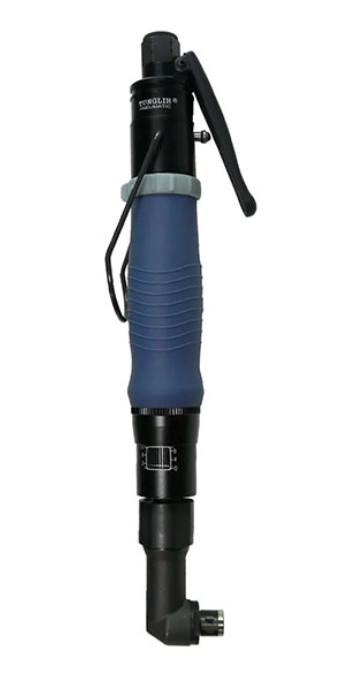
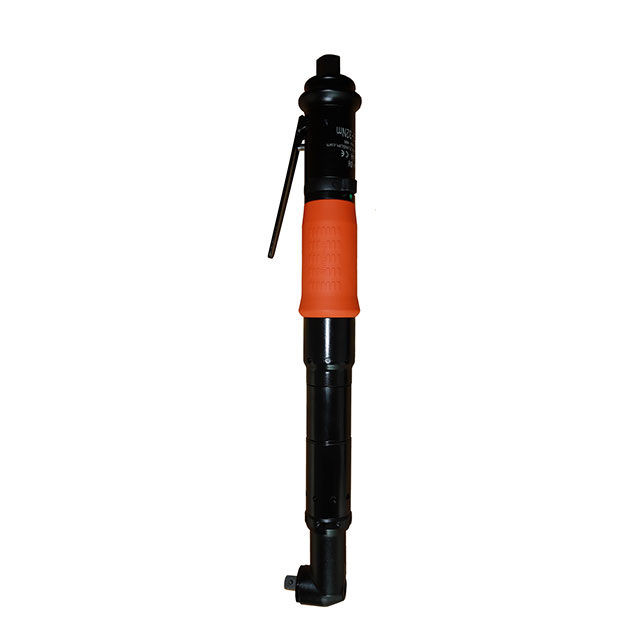
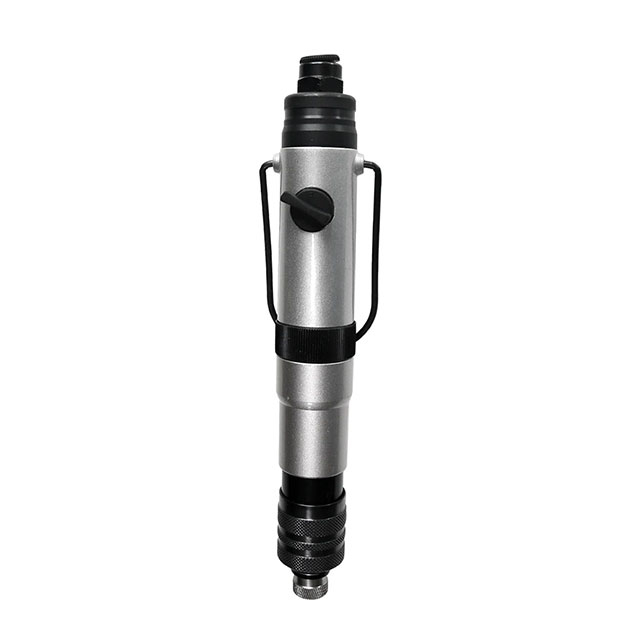
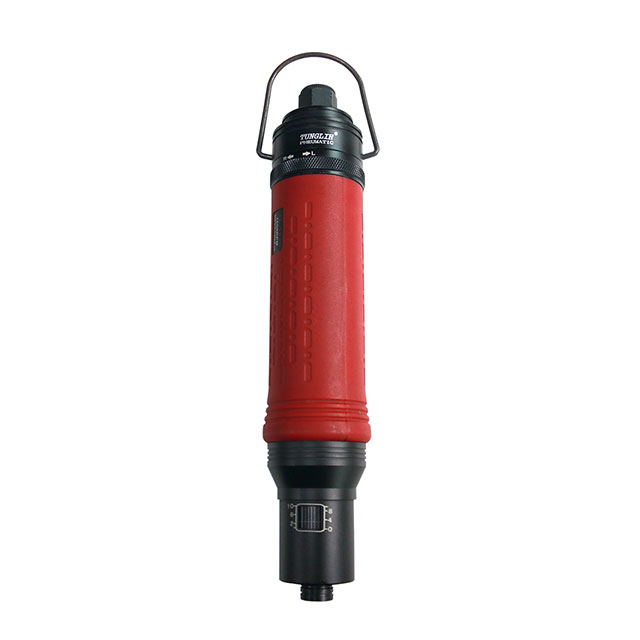
Pneumatic wrenches are powered by compressed air. These wrenches are often used in industries where high torque output and continuous operation are required. Pneumatic wrenches are particularly common in automotive repair, construction, and assembly line settings. The main advantage of pneumatic wrenches is that they offer high torque without needing electricity, making them ideal for environments where electrical outlets may not be available or safe to use.
Pneumatic wrenches are most commonly used in the automotive industry for tasks such as tire changes, engine assembly, and maintenance work. They are also used in large-scale manufacturing operations where speed and reliability are crucial, such as tightening bolts on production lines.
Electric wrenches use electricity as a power source. These wrenches are typically used when a reliable source of power is available and compressed air is not. Electric wrenches are often lighter and more portable than pneumatic wrenches, and they come with adjustable torque settings for better control.
Electric wrenches are ideal for light-to-medium-duty tasks like home improvement projects, maintenance, and assembly work. They are also used for tasks that require more portability or flexibility, such as auto repair or minor construction jobs.
Hydraulic wrenches are the most powerful type of automatic wrench and are used in applications that require very high torque. These wrenches operate using hydraulic fluid, which generates the force needed for heavy-duty tasks.
Hydraulic wrenches are commonly used in industries like oil and gas, aerospace, and heavy construction. They are especially useful in applications where bolts and fasteners need to be tightened to extremely high torque levels, such as securing bolts on oil rigs, large aircraft components, or heavy machinery.
Type of Automatic Wrench | Power Source | Applications | Torque Output | Pros |
Pneumatic Wrench | Compressed air | Automotive repair, assembly lines | High torque | Fast, continuous operation |
Electric Wrench | Electricity | Maintenance, home improvement | Adjustable torque | Portable, easy to use |
Hydraulic Wrench | Hydraulic fluid | Heavy-duty applications, oil & gas | Extremely high torque | Ideal for critical applications |
One of the key features of an automatic wrench is its ability to control the amount of torque applied. This is especially beneficial in applications that require precise and consistent torque, ensuring that the fasteners are neither over-tightened nor under-tightened. Automatic torque control also prevents damage to the components being fastened, which can be a risk with manual wrenches.
Automatic wrenches are designed with ergonomics in mind, reducing strain on the operator, especially during repetitive tasks. Many automatic wrenches feature lightweight bodies, comfortable grips, and balanced designs to make them easier to handle, reducing the risk of injury or fatigue during prolonged use.
Automatic wrenches are capable of working at high speeds, making them highly efficient in environments that require fast yet precise work. The tool’s ability to adjust its speed and torque ensures that fasteners are tightened or loosened with maximum precision, helping to maintain consistent product quality in industrial applications.
Automatic wrenches often come with adjustable settings, allowing users to customize the torque according to the application. This makes them highly versatile for different tasks, ensuring that the tool can be used in a wide range of industries and situations. Some models even come with digital settings that allow for fine-tuned adjustments, which is particularly useful in industries where precise torque is critical.
Feature | Description |
Automatic Torque Control | Ensures consistent torque application without over-tightening. |
Ergonomic Design | Reduces strain on users by providing a comfortable and lightweight tool. |
Speed and Precision | Offers fast operation with high precision, making it ideal for fast-paced tasks. |
Adjustable Settings | Allows customization of torque for different tasks and applications. |
Automatic wrenches significantly reduce the amount of time spent tightening or loosening fasteners. By applying torque quickly and efficiently, they enable workers to complete tasks in a fraction of the time compared to manual wrenches, which is particularly valuable in high-volume production environments.
The automatic nature of these wrenches ensures that each fastening task is completed with the same level of precision every time. This consistency is crucial in industries like aerospace, automotive, and construction, where even slight variations in torque can lead to safety concerns or equipment failure.
Manual wrenches can be physically demanding, especially when used for repetitive tasks. Automatic wrenches, however, significantly reduce the physical effort required, allowing workers to perform tasks with less strain. This reduction in fatigue not only enhances productivity but also helps to prevent workplace injuries caused by overexertion.
By reducing the time required for fastening tasks, automatic wrenches help to cut labor costs in high-volume environments. Additionally, their consistent performance reduces the risk of mistakes, minimizing the need for costly rework or repairs.
Advantage | Benefit |
Increased Efficiency | Speeds up tasks by reducing manual effort, improving overall productivity. |
Consistent Performance | Ensures uniform application of torque every time, reducing errors. |
Reduced Operator Fatigue | Minimizes physical strain on workers, especially during repetitive tasks. |
Cost-Effective | Reduces labor costs and prevents mistakes, lowering the need for rework. |
In the automotive industry, automatic wrenches are used extensively in assembly lines and repair shops. They help quickly and efficiently tighten bolts on car components, including engines, tires, and chassis. They are also used for tasks like suspension work, exhaust systems, and bodywork.
Automatic wrenches are essential in the construction and manufacturing sectors, where they are used to fasten large machinery, steel structures, and components. Their high torque output makes them ideal for securing bolts in heavy equipment, ensuring that all parts are assembled correctly and securely.
Automatic wrenches are indispensable in high-precision industries like aerospace and oil and gas. In the aerospace sector, they are used to secure fasteners on aircraft components, while in oil and gas, they are essential for maintaining the integrity of pipelines and machinery. Both industries require tools that can provide consistent torque while maintaining safety standards.
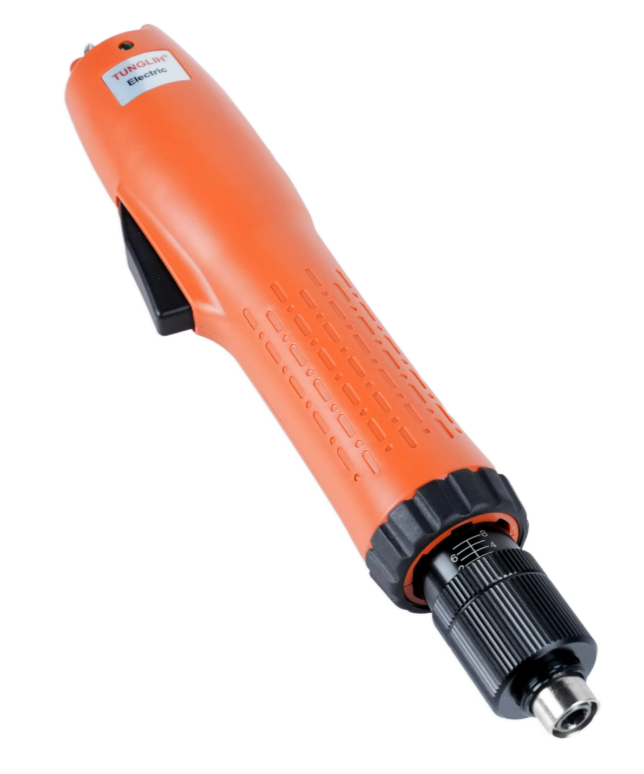
To ensure an automatic wrench continues to perform well, it should be regularly inspected for wear and damage. Checks should be made for leaks, worn seals, or loose parts. Regular inspections help detect problems early, preventing unexpected breakdowns and extending the tool’s lifespan.
Lubrication is crucial to keep the moving parts of the wrench functioning smoothly. It reduces friction, prevents wear, and helps the tool perform efficiently. Always use the appropriate lubricants recommended by the manufacturer to avoid damaging the tool.
When not in use, automatic wrenches should be stored in a cool, dry place to prevent rust and corrosion. This is especially important for pneumatic and hydraulic wrenches, which can be damaged by exposure to moisture. Proper storage ensures the longevity of the wrench and ensures it remains in good working condition when needed.
Automatic wrenches are essential tools for many industries, offering speed, precision, and reliability. Powered by compressed air, electricity, or hydraulics, they provide consistent torque and reduce operator fatigue. These tools are critical in industries like automotive repair, construction, and aerospace. By understanding their types, features, and advantages, businesses can optimize productivity and safety. TUNGLIH offers high-quality automatic wrenches that can enhance your operations, ensuring both efficiency and durability.
A: An automatic wrench, also known as a power wrench, is a tool used to tighten or loosen bolts. It uses high torque and is powered by air, electricity, or hydraulics.
A: An automatic wrench uses compressed air or electricity to generate torque, making it easier to turn bolts without manual effort. This increases speed and precision.
A: An automatic wrench reduces operator fatigue, increases efficiency, and ensures consistent torque. It's ideal for tasks requiring speed and precision.
A: Automatic wrenches are used in industries such as automotive repair, construction, manufacturing, and aerospace for tasks that require high torque and precision.